The Porch Light My Mother Left On
“Who is Dell?”
“You are.” She said it gently. “That is what Troy called you. When he was learning to talk. Delly, Dell, Dell, Dell. His first real word, and it was not Mama. For two years after you left, he asked for Dell at bedtime. Every night. Bernice told him Dell was a pretend friend and made up a story about it. The whole family thought it was cute. Roy told it at Thanksgiving like a joke. ‘Troy had an imaginary friend named Dell.’ He still tells it.”
My throat closed.
“Troy has no idea,” Charlene said. “Neither does Roy, I think. Or maybe Roy has always known and decided not to.”
I had to put my hand over my mouth for a second. Charlene waited. She was good at waiting. She had spent thirty years driving a school bus, sitting very still while children cried in the back.
When I could speak, I said, “What do you want me to do?”
“I do not want you to do anything. I am too old to give instructions.” She sat back. “But I will be at the supper. I bought my ticket in January. I did not know you were coming, and I am not going to sit with the church ladies. I will be at table nine, in the back, by the coffee urn. And if somebody asks me a question in that hall, I will answer it. I am done being a coward in front of that woman.”
The Founders Supper
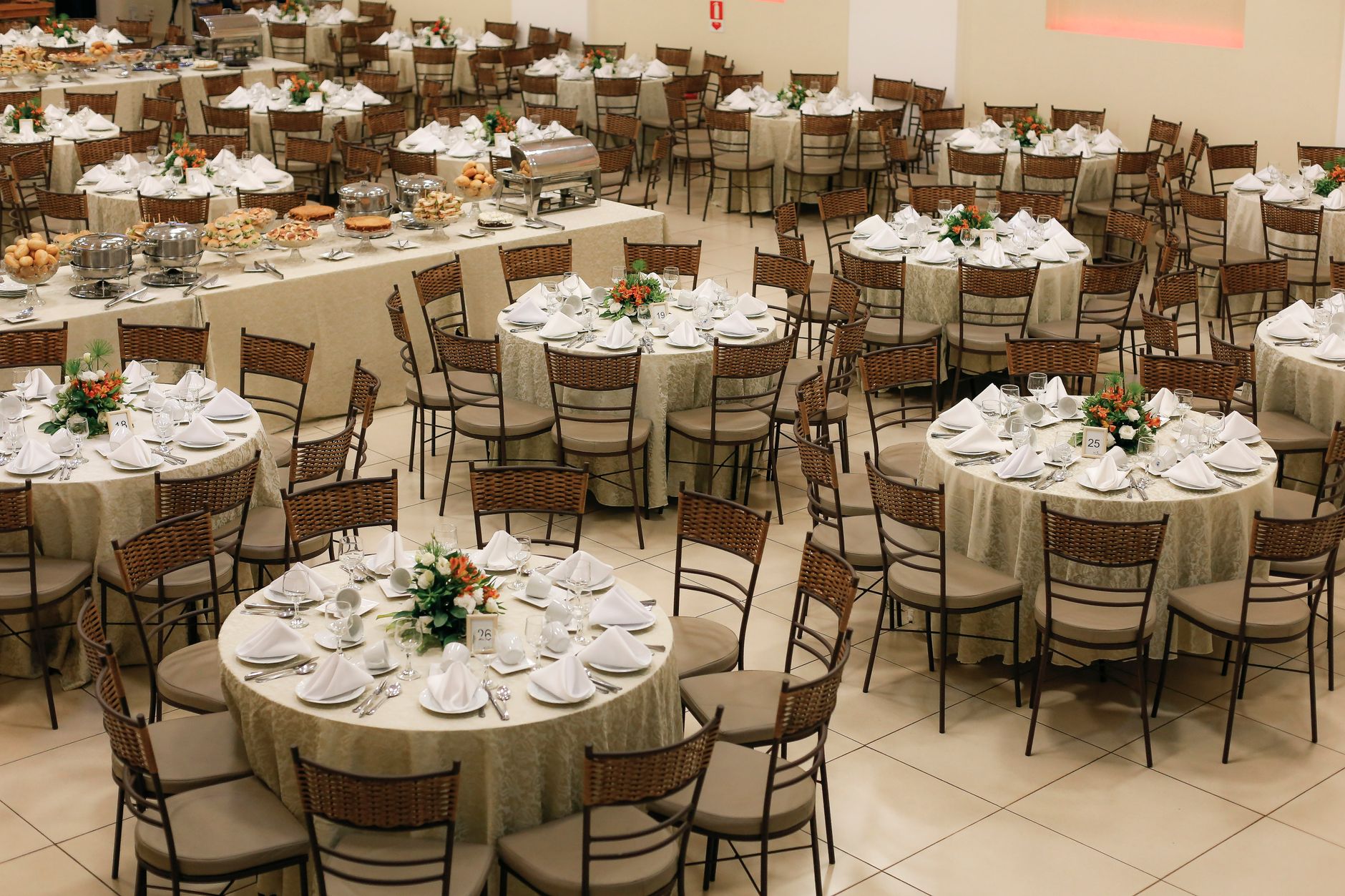
The VFW hall in Bascom has not changed since the nineteen-seventies. It has the same wood-paneled stage with a flag on either side, and the same smell on a Saturday night in March: pork loin, scalloped potatoes, floor wax, and a hundred and forty people who all know what everyone else is wearing.
My place card was at the center of the head table, written in Dixie’s careful loopy hand, and the paper bells hanging from the ceiling were the same ones that had hung there for my father’s retirement fish fry when I was nine. I sat. I folded my napkin. I watched the room fill.
She wore lavender, with her good pearls. Roy sat to her left in his co-op jacket, holding his cap in both hands between his knees, not eating, looking at a point on the tablecloth. Shane sat on her right in a sport coat too small for his shoulders. Troy sat next to him, pale, hands pressed flat under his thighs.
At table nine, in the very back by the coffee urn, a gray-haired woman in a navy cardigan sat by herself with a plate of pork loin she had not touched.
Charlene gave me one nod across the hall.
Dinner took forty minutes. I ate four bites. Dixie stood at the microphone and thanked the volunteers. Then she turned to the head table and said, “And now, our honored guest this evening, a Bascom girl who built a company from nothing that now keeps ambulances on the road across four states. Adele Yates.”
They clapped. My mother clapped loudest, with her wrists high in the air, the way she did at funerals when she wanted people to see her sorrow.
I stood. I did not go to the microphone.
“Thank you, Dixie,” I said, from my chair. “Before I say anything, I believe my mother has a question for me.”