The Banquet For My Replacement
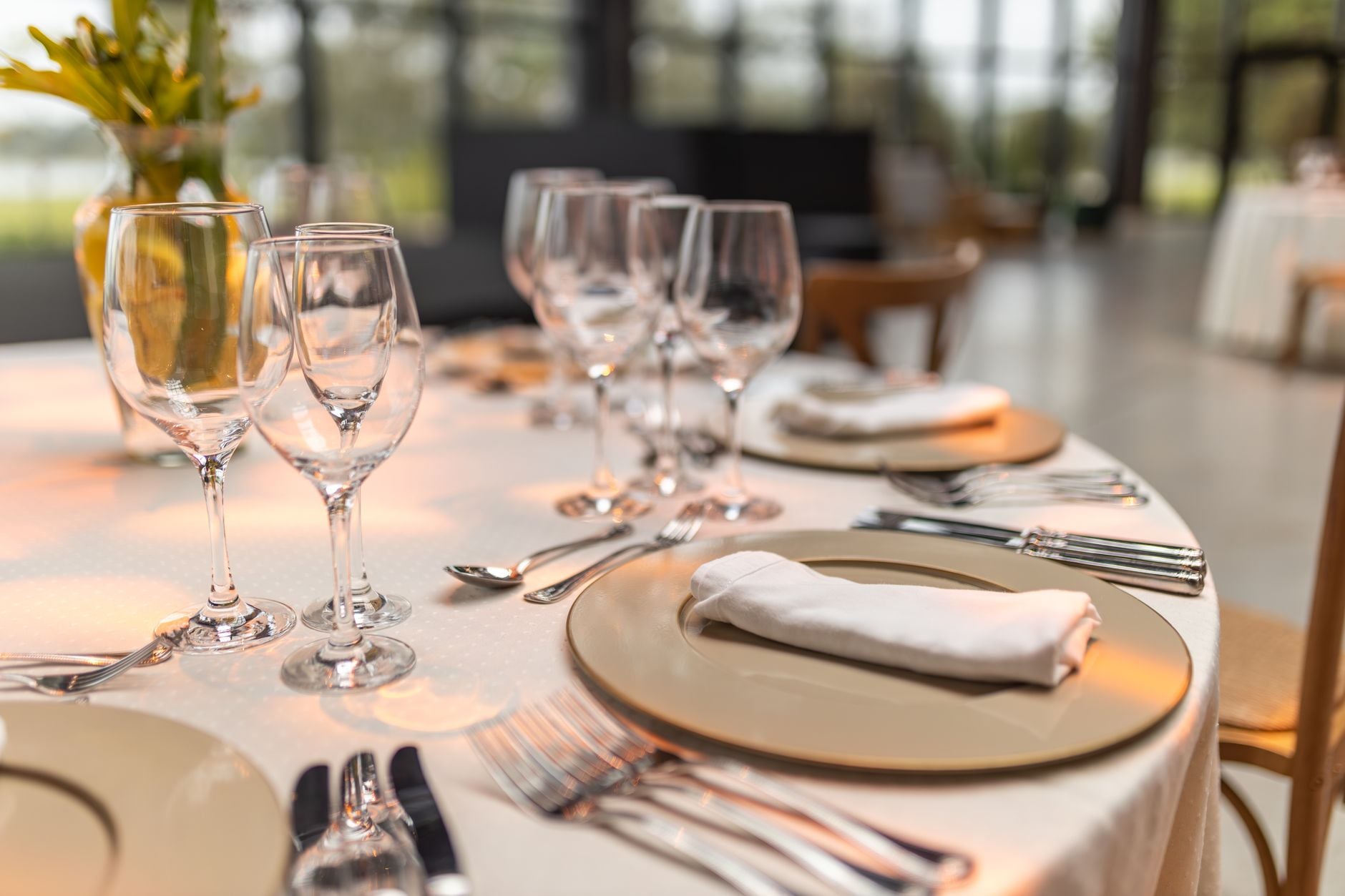
The prime rib came out at eight. It was the Lantern Room’s famous cut, fifty-eight dollars a plate, thick and pink and surrounded by little potatoes in cream. I ate none of it. I watched. That is the thing I did that evening. I watched everything, the way you watch the last act of a play you wrote yourself.
I watched Donna cross the room with a velvet box and open it in front of Stacy. Inside were pearls. They were Vince’s grandmother’s pearls, which I had worn once, at our wedding, because Donna had told me it was tradition, and which she had then reclaimed the next morning because “they belong in the Dunham line.” She fastened them around Stacy’s neck. The table cooed. A woman I had known since high school put her hand on her chest and said, “Oh, Donna, the family.”
I watched Vince stand and give his own remarks. He said he and his mother had built a life in Cedar Bluff. He said they had been through hard seasons together. He said he was grateful for the people who believed in him when he did not believe in himself. In nine minutes of speaking, in a town where the store that fed his family was open a mile and a half from the restaurant where he stood, he did not once say the word store.
Stacy listened with her chin on her hand, glowing at him.
I looked at the girl for a long moment. What I felt was not hatred. It was what you feel watching someone walk into a house you know has a bad floor.
At 8:40, the dessert plates came down. Peach cobbler, with vanilla ice cream melting in a slow white puddle. Kim ate hers and mine. I held my coffee.
Across the room, Dennis Dunham pushed his plate an inch away from himself and folded his hands. He had not touched the pearls scene. He had not applauded the toast. He had been watching Donna the whole night with the quiet, neutral attention of a man reading a contract.
At 8:52 by my phone, the waiter appeared at Donna’s shoulder. His name was Gil. I knew that because he had told Kim and me at the start of the evening, in a voice so earnest it was almost painful, and because he was nineteen years old and had been bussing tables in the Lantern Room all summer to pay for his first year at Western Kentucky. He laid a black leather check folder on the tablecloth beside her plate.
“Whenever you are ready, Mrs. Dunham.”
She did not look at the total.
I could see the paper from where I sat. It was $6,840.00, including gratuity, less the two thousand dollar deposit on file. Forty-eight hundred and forty dollars. That is the number I want you to hold in your head, because it comes back.
Donna took a gray card out of her purse, the one with Eason Farm Supply across the bottom in small silver letters, and she slid it into the sleeve without so much as a glance at it, the way you hand a coat to a servant. She patted Stacy’s hand while Gil walked off.
I looked at my phone. 8:54 p.m.
The card had been closed for three hours and fifty-four minutes.
I will tell you what the next four minutes were like. They were the longest and quietest of my life. The room hummed with laughter and the clink of forks. Someone at the head table told a joke about fishing. A cousin from Bowling Green asked Stacy where she was from and she said Paducah, and everyone said oh, Paducah, in the voice people use for towns they have never been to.