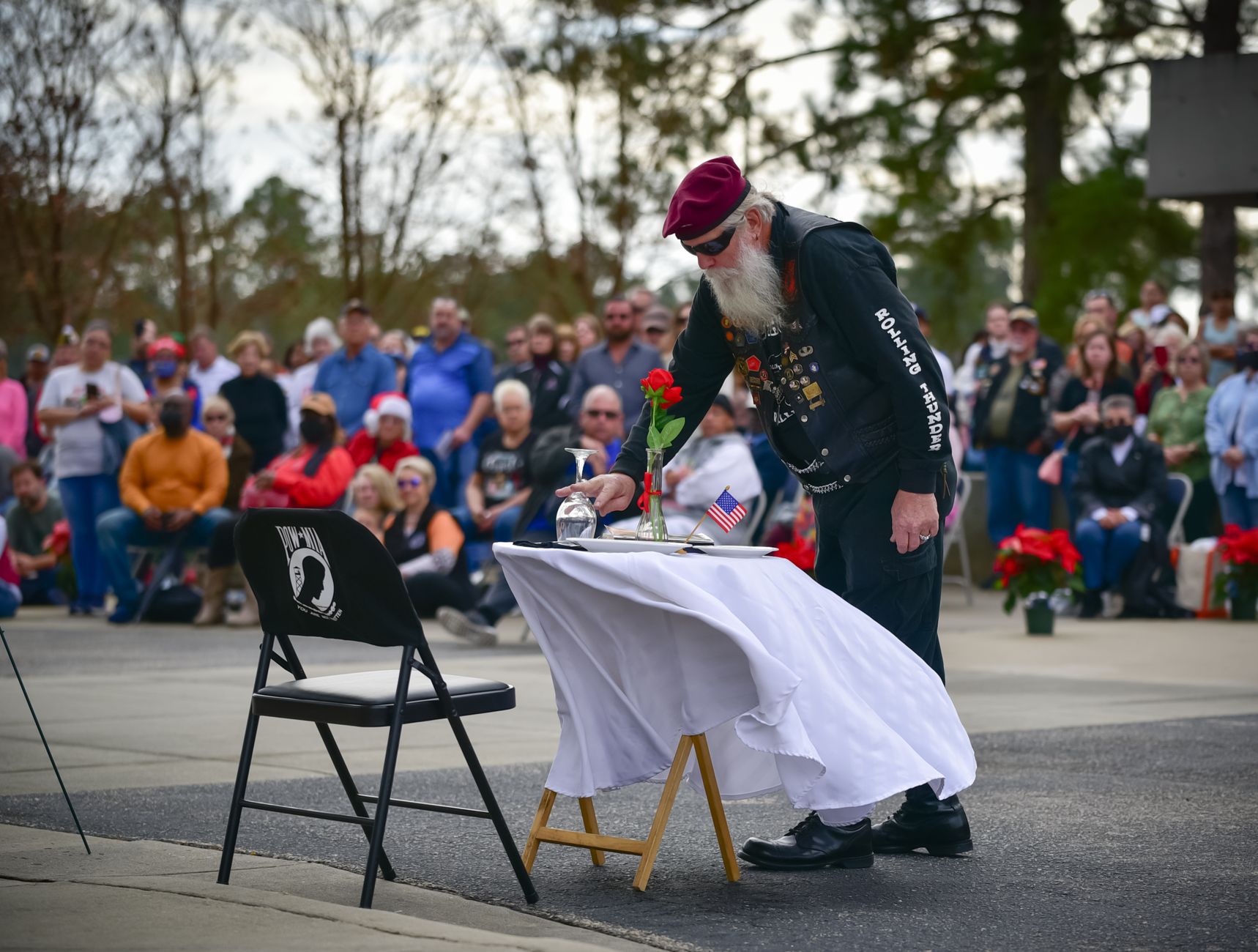
The Honor Guard That Refused to Fold
Thirty four miles does not sound like much until you have spent thirty years learning what a funeral in this county actually requires. It means a detail on the road by five in the morning for a service at the family cemetery out past the Drury place, down a gravel county road no GPS trusts. It means a call from the funeral home at ten at night because a family wants the service the next day and there is no time to coordinate a crew from another county who has never walked that cemetery’s uneven ground before. Merle and I built this detail so that a Missouri farmer’s widow never had to wonder whether anybody would show. A post office box thirty four miles away was not going to keep that promise, no matter how good the people in it were.
I did not tell my daughter. I did not tell the church. I told Otis, because he had earned the right to hear it from me and not from a rumor at the diner, and then for two weeks I did the only thing an old soldier knows how to do with a problem too big to carry alone, which is nothing at all, and hate myself a little more each day for it.
Desmond found out anyway. Small towns do not keep secrets, not even from a man who has only lived in one for a month.
He came to the feed store on a Thursday, still in his co-op coveralls, and he did not ask permission to sit down across from me the way I might have expected a young man to. He said he had done the math on the drive to Ozark County too, and he was not going to let it happen if there was a single thing he could do about it, and then he asked me the question that changed the whole shape of what came next. He asked how many members we actually needed, and whether they had to be old.