The Honor Guard That Refused to Fold
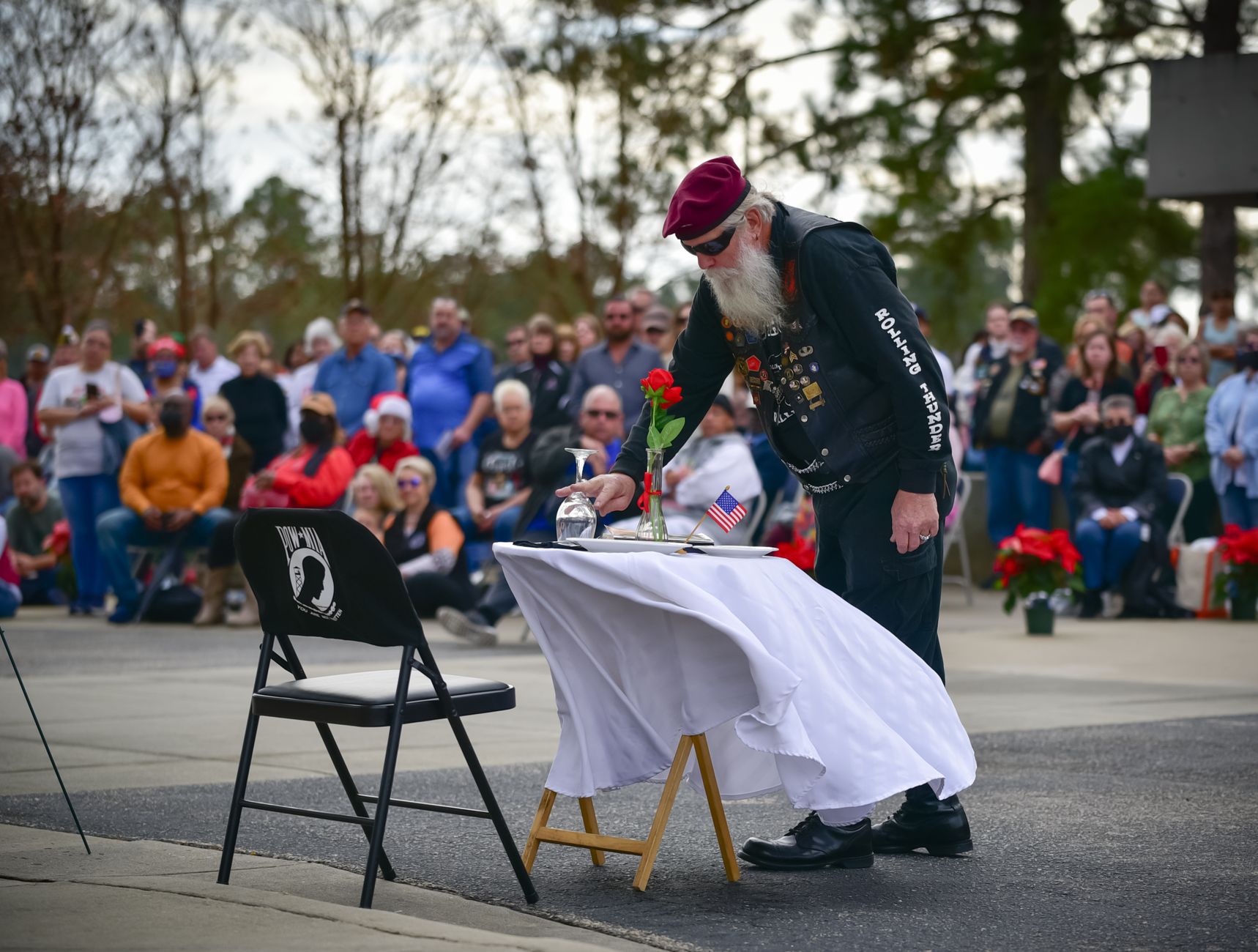
That is the part nobody outside our little detail understood until that funeral. It used to take seven of us to do it right. A three-volley rifle party of at least three, a bugler, a flag team of two, and a caller to run the ceremony so nobody’s grief got in the way of doing it clean. By the morning we buried Merle, our roster had shrunk down to four men who could still shoulder a rifle and stand at attention for twenty minutes without their knees giving out, and one of those four had a hip that had been bone on bone for two years. I folded my best friend’s flag with my hands and Otis Crenshaw’s hands, both of us seventy eight years old, both of us trying not to let the other one see we were crying, while a recorded bugle call played off a phone somebody had propped against a headstone because our own bugler had passed the winter before and we had never replaced him.
I knelt in front of Merle’s widow, Idette, and I put that flag in her hands the way I had done for hundreds of widows before her, and I said the words I always say, on behalf of a grateful nation, and for the first time in thirty years my voice cracked in the middle of them.
Ash Fork is the kind of town where the water tower still gets repainted by the graduating class every ten years, where the Methodist church potluck runs long enough in August that somebody always has to go back for a second folding table, and where the diner on Route Nine has never once, in the thirty years I have eaten breakfast there, changed the price of coffee more than a nickel at a time. We are a county-road town. Feed store, two churches, a football field that fills up on Friday nights better than either church does on Sunday. People here know each other’s business, which means people here also know when a thing they love is dying, even before anybody says it out loud.