The Feud That Melted On Christmas Eve
By the time the choir kids had thawed out enough to stop shivering, Gid was back out the door for the next call, and I remember watching him go, snow already collecting on his shoulders again before he’d made it ten feet, and thinking that I had never once, in twenty years of nursing a grudge against the man, seen him quit on somebody who needed pulling out of a ditch. Whatever else Gideon Strayhorn was, and I had a list, he was not a man who left people stranded.
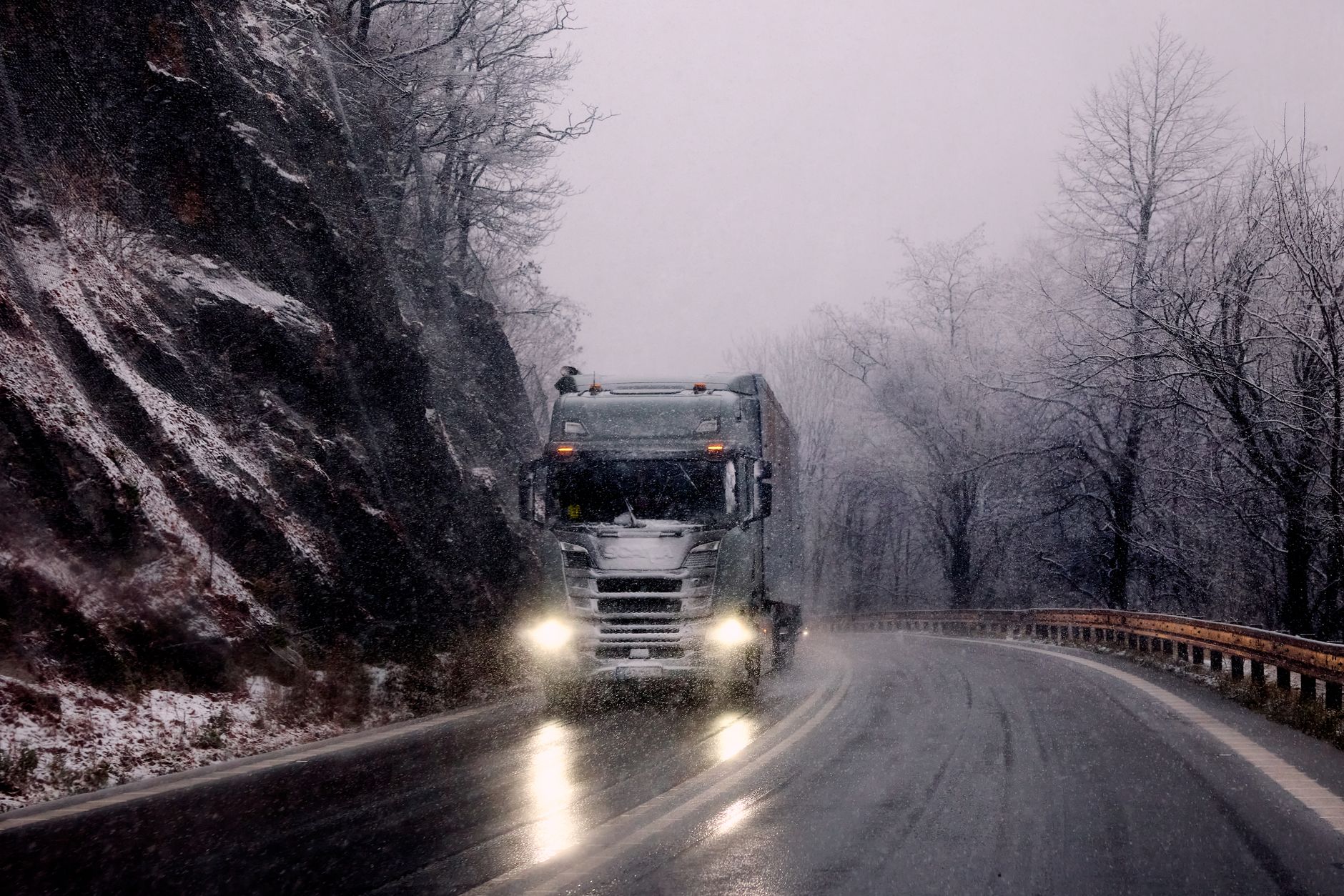
Gid, meanwhile, would not sit still. Every time the wind let up half a degree he was back out in Delilah, which is what he calls his tow truck, don’t ask me why, hauling in the next stranded car, the next family, the next trucker who’d jackknifed trying to find the shoulder. He came in soaked to the bone somewhere around eight and I put a bowl of soup in front of him before I’d even decided to, old habit of feeding whoever walked through my door overriding twenty years of principle, and he ate it standing up at the counter, too tired to argue with me about where he was allowed to sit.
It was somewhere past nine, with the diner full to bursting and the jukebox playing the one country Christmas record I own on repeat, that Delilah’s winch cable snapped hauling in Odell’s second-to-last tree off the flatbed, and Gid about took the skin off his knuckles trying to fix it in the dark with the wind screaming. I went out there myself with a flashlight and my mother’s old wool coat, because somebody had to hold the light and everybody else was elbow deep in coffee refills, and that is how Gid Strayhorn and I ended up alone together in the cab of a dead tow truck in a blizzard, for the first time in twenty years, with nowhere to walk off to.