The Garage My Father Made Them Open
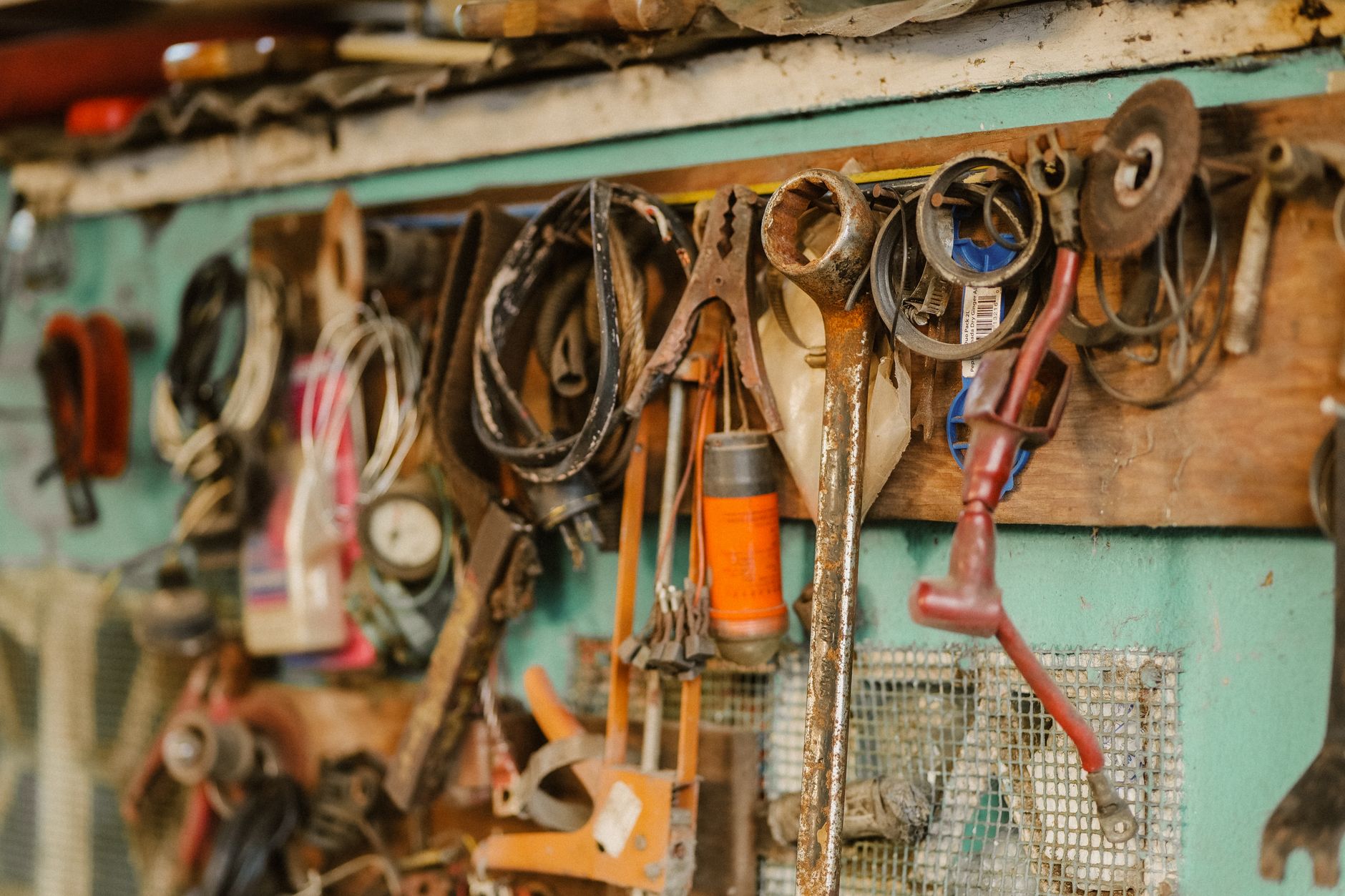
For a second the morning light only reached a few feet into the garage, and I saw the ordinary things first. The workbench. The pegboard with every tool in its painted outline. The smell of grease and cut steel and my father, which hit me so hard I had to put a hand on the doorframe.
And then my eyes adjusted, and I saw what he had set up in the middle of the floor.
He had cleared a space. He had dragged one of his old shop stools out to the center, and next to it, on a rolling cart, he had set his little tube television, the one from the guest room, and under it a DVD player, and the whole thing was run off an extension cord that snaked back to the outlet by the bench. There was a note taped to the dark television screen. My father’s handwriting, gone shaky in the last years but still his. It said, “Marian. Sit down and press play. Then everybody stays till it’s done.”
I want to tell you that I understood right then, but I did not. I thought maybe it was a message for me, a goodbye, and my throat closed up thinking my father had made himself a recording so I would have his voice after he was gone. I dragged the stool over, and I sat, and my daughter came and stood with her hand on my shoulder, and I pressed play.
The screen came on blue, and then there was my father, sitting on that same stool, in that same garage, alive. Thinner than I wanted to see, but alive, in his flannel shirt with the pocket torn, looking right into the camera he must have propped on the workbench.
“If Marian’s watching this,” he said, “then I’m gone, and you all did what I asked and you’re all standing there. Good. Roy, you especially. Stay put.”
I heard Roy shift his feet in the gravel behind me. Nobody said anything.
“I got old,” my father said on the screen. “I did not get stupid. People kept telling themselves I got stupid, and I let them, because it was useful to see what a man will do when he thinks you can’t see straight anymore.”
He picked something up off the bench beside him and held it to the camera. It was the coffee can. The one from the kitchen shelf.
“About four years ago I noticed my cash walking off,” Dad said. “A little at a time. Then the good half-inch drive set went. Then my grandfather’s timing light, the brass one. I did not want to believe what I was starting to believe, so I did what I do. I set up to watch.”