The Coach Who Benched My Son
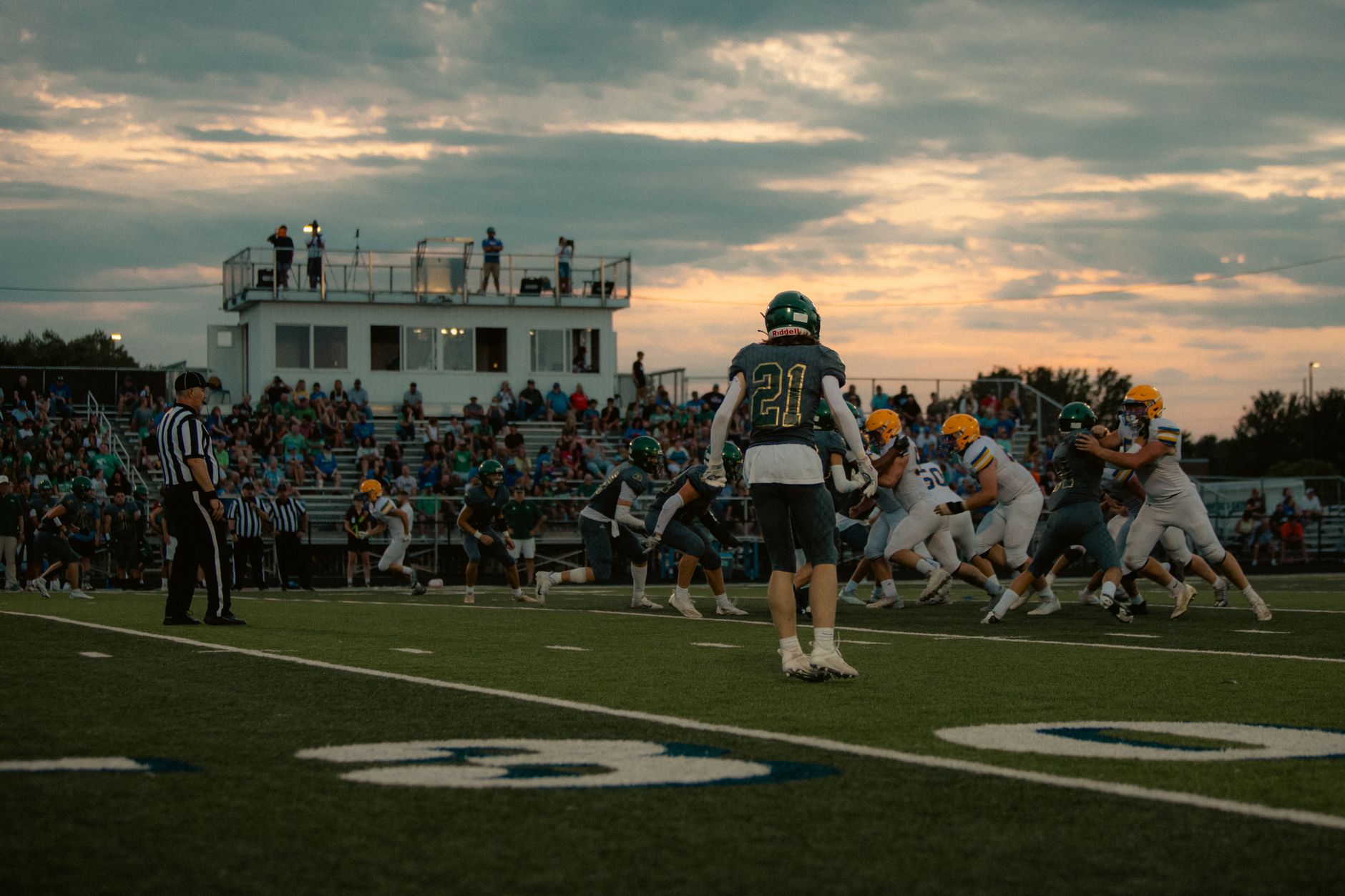
I want to say that carefully because it matters. The old lights at our field were from the seventies, and half of them buzzed and a whole bank on the visitor side had been dark for two seasons because the district could not find the money to fix them. It was a real problem and a real gift to fix it, and if that were the whole story I would be writing Lyle a thank-you note. The new lights went up in September. Big beautiful LED towers, the field lit up like a Christmas display, you could read a newspaper in the end zone. And the school, grateful, planned a little ceremony at homecoming halftime to dedicate them, to thank Lyle Trask in front of the whole town, maybe put his name on a plaque by the gate.
And somewhere in there, between the check clearing and the towers going up, my son stopped being the starter.
The first game after the lights went in, Bo split carries with Colton, which was strange but not alarming, and Coach Rusk told me afterward he was “managing Bo’s workload,” which is a phrase that means nothing. The second game, Bo started but came out early. By the third game, the one before homecoming, Colton was getting the ball on the first drive and Bo was standing next to me on the sideline with his helmet in his hand watching, and I could see the confusion working across his face, because a sixteen-year-old cannot understand a thing that has no reason inside the game itself.
Then came that Tuesday.
Bo came home and did not eat. That is how I always knew when something was wrong with my son, because that boy could eat a full plate and then finish mine. He sat at the kitchen table and pushed his food around and finally he said, “Coach says I’m not starting Friday. He’s starting Colton. He says it’s about being a team player.”
I asked him what that meant, being a team player.
Bo looked at me and he was trying so hard not to let his voice go, and he said, “He said the team needs guys who put the program first. He said, some kids play for the name on the back, and some kids play for the name on the front, and this program is looking for the second kind.”
The name on the back. He knew. Coach Rusk knew whose name was on the back of that jersey, twenty-two, the same as his father, and he said that to my son on purpose, because it was the softest place to hit him, and he hit it.
I did not sleep that night. I lay there and I got angrier and angrier and by about four in the morning I had decided I was going to march into that field house and take Coach Rusk apart, and I want you to know that would have been the worst thing I could have done, because a mother yelling in a field house is a story that ends with everyone shaking their heads about the mother.