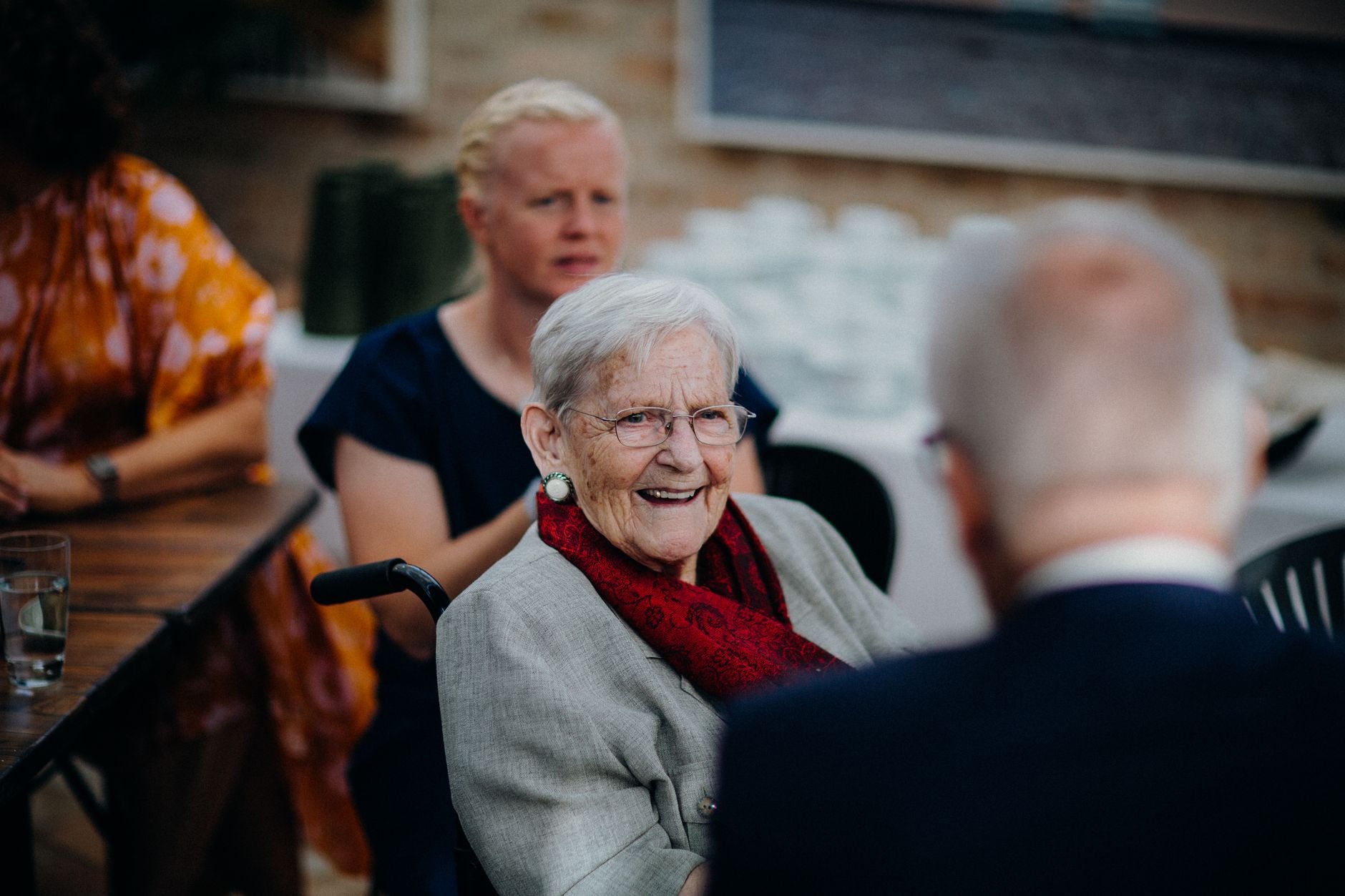
The Christmas My Father Threw Grandpa Out
“I’m a burden,” he whispered, so quietly I almost missed it under the sound of the kettle starting to hiss. “I should just go somewhere they build for people like me.”
I do not think I have ever been angrier in my life than I was at that moment, and none of the anger was at him.
“No,” I said, and I made him look at me while I said it. “You are my family. That’s it. That’s the whole sentence. There’s no version where you’re a burden, Grandpa. There’s just a version where some people forgot who you are.”
He did not answer that. He just held my hands a little tighter and let me keep rubbing warmth back into them, and after a while his breathing slowed down to something normal, and I made a bed for him on my pull out couch and sat up half that night watching him sleep, still furious, still cold myself, wondering how my own father had become a man who could do what he had just done and call it cleaning things up.
I thought that was the worst night of the whole thing. I was wrong, though not in the way I expected. The worst part was not what came after. The worst part was realizing, days later, exactly how long my father had been building toward that door, and exactly how much he did not know about who he had just put out into the snow.
I should say something about my father, because it would be easy, hearing all this, to imagine him as a man who woke up one day and decided to become cruel, and that is not quite true either. Steve had spent his whole adult life standing in the shadow of a plant he did not build and a name over the door that was not entirely his, and somewhere in the years after my mother left, when I was nine and Steve married Tina two years later, he had decided that the way out of that shadow was to become the kind of man other important men respected. Corporate men. Briarwood men. He learned to laugh at the right moments and agree at the right moments and, I think, somewhere along the way, he learned to see his own father, the frail man in the wheelchair who could no longer steady his own hand, as evidence of something he was terrified of becoming himself. Tina made it easier. She had never known Frank as anything but an obligation that came attached to her husband, a seat that had to be set at every holiday table, a napkin that had to be tucked, and she treated my grandfather the way you treat a chore you resent but have stopped noticing you resent. Brooke, growing up in that house, had learned early which parent’s approval was worth chasing and which grandparent got you nowhere, and she had chased it exactly the way children learn to chase whatever keeps the roof warm.