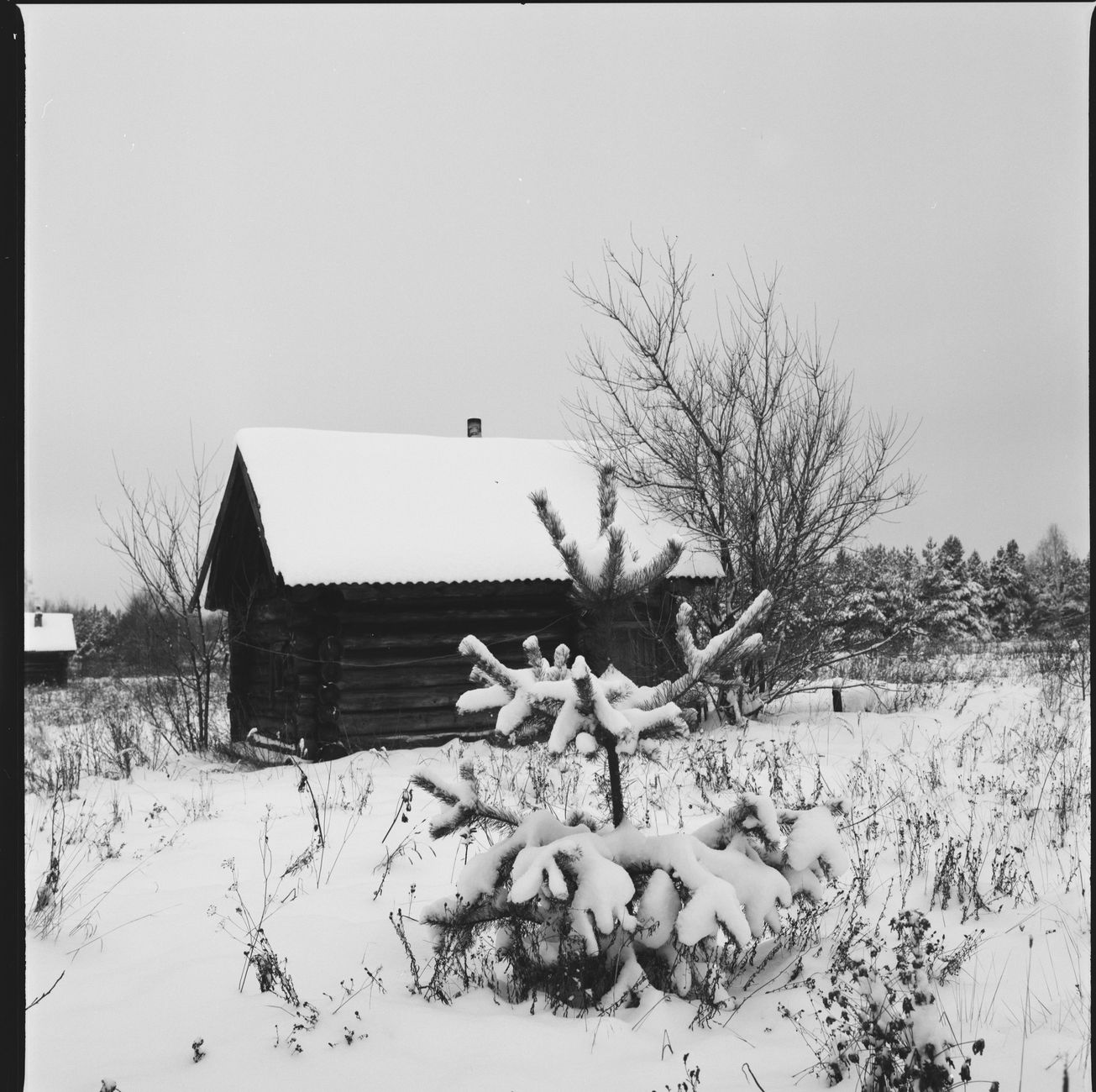
The Winter Somebody Fed My Children
The Woman In The Sycamore Bottom
In March I followed the tracks.
I went down the creek in the early dark with nothing in my hands, which took me an hour of standing in my own doorway to decide on, and about a mile and a half down I came around the sycamores and there was a woman sitting on a log waiting for me.
She had heard me coming from a long way off. I found out later she had heard me coming the previous two times as well.
Her name was Rachel Hill. She was Lenape, what we all called Delaware then, and she was, I would guess, fifteen years older than me, and she was a widow too. Hill was the name the mission on the Muskingum had given her father before she was born, and it was the only name I ever knew her by, and I never in nine years asked her whether she had another one, which is one more thing on the account.
She did not stand up when I came around the trees.
I said, it has been you.
And she said, yes.
I started to thank her and she stopped me. She did not do it gently. She put her hand up the way you stop a horse and she said she did not want it, and that if I said it she would not come back.
I asked her why. I meant why the food, and she took it as why not the thanks, and she answered the second question.
She said: because then it is a gift, and you will owe me, and you will hate me for it by summer. She said she had watched white women be owed things before.
I want to put that down exactly the way she said it, because for years I told this story with Rachel as a kind woman who fed a stranger, and that is not who she was. She was a woman who had made a decision with her eyes open and who did not want the decision spoiled by being turned into a sentiment.
I asked her again, later that spring, why she had done it, and she gave me a different answer, and I believe both of them.
She said her people had been moved four times that she could remember. Out of the Muskingum towns, and before that out of country she only knew from her grandmother. She said that every time, the thing that came first was that the settlements stopped seeing them as neighbors and started seeing them as a question to be settled. And she said the only thing she had ever found that worked against it, even a little, even for a while, was that somebody in the settlement had a reason to say a true thing out loud.
She said: I am not feeding your children for nothing.
And I said I did not have anything.
And she said: you will.