The Route My Father Never Missed
Asking Around Millhaven
I spent the better part of a week trying to make sense of it without driving out there.
I asked at the store, though Gilbert made that difficult, hovering near the counter as though my questions about my own father were somehow suspicious. I asked at the diner on Main Street, where three older men who’d known my father since before I was born looked at each other in a way that told me they knew something and had already decided among themselves not to say it. I asked the pastor at First Reformed, who had preached my father’s funeral three weeks earlier and only told me, gently, that some things a man keeps between himself and God, and that a son doesn’t always get to know all of them before he’s ready.
I did not feel ready. I felt like a man circling a hole in the ground, afraid of what was down there and unable to stop walking toward the edge of it.
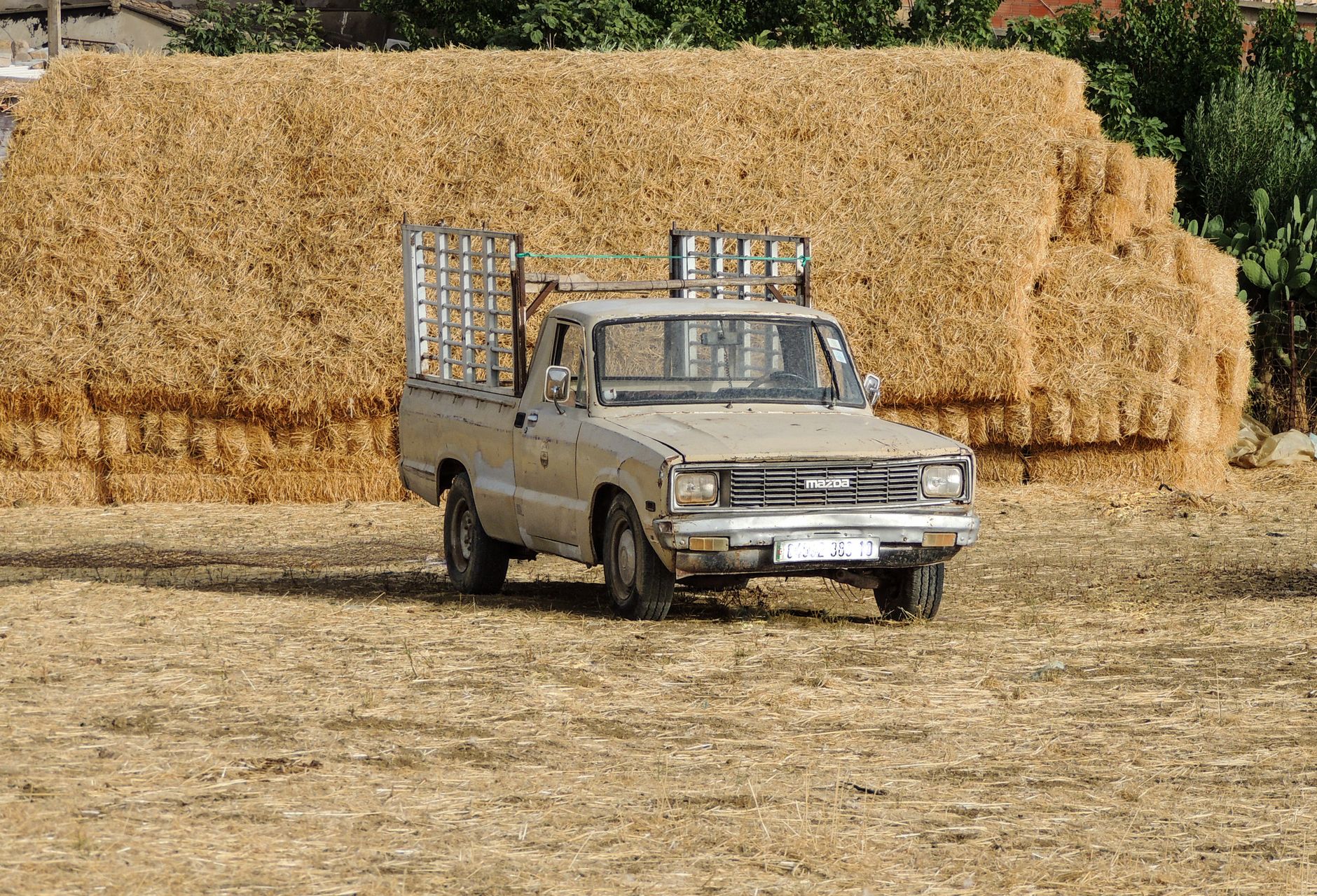
Celeste, when I asked her, went quiet in a way that confirmed more than any answer could have. “Dad used to take that truck out on Wednesdays,” she said finally. “Every week, for as long as I can remember. He never said where. Mom used to ask, early on. He’d just say he had an account to service.” She looked at me for a long moment. “I stopped asking a long time ago, Gavin. I think you should go find out yourself. I don’t think it’s mine to tell.”
The House on County Road
I drove out on a Wednesday, though I could not have told you why that day mattered to me, other than that it was the day the notebook seemed to belong to.
The address led me east of town, past the last of the grain elevators, down a county road I had never once had a reason to drive before, lined with bare cottonwoods that had gone silver with the coming winter. The house sat back off the road behind them, small, well kept, with a porch light already burning though the sun had not fully set.
I sat in the truck for a long minute before I got out. My hand was shaking, slightly, in a way it had not shaken since the funeral itself. I did not know who lived there. I did not know what twenty unbroken years of Wednesdays could possibly mean.
I walked up and knocked, and the door opened almost before my hand came down, as though whoever stood behind it had been watching that gravel road for a truck that was not going to come back, and had seen it anyway.
An older woman stood in the doorway, gray haired, wrapped in a cardigan the color of faded barn red, studying me with an expression that shifted, in the space of a breath, from confusion to something close to grief.
“You’re his boy,” she said. It was not a question. “You’ve got his exact walk. I watched that walk come up this road for twenty years.”
I told her my name was Gavin. I told her I did not understand why I was standing on her porch.
“My name’s Celia,” she said. “Celia Renfro. I expect you’d better come in. This isn’t a conversation for a doorway.”