The Route My Father Never Missed
The Man Gilbert Became
Gilbert married my sister Celeste nine years after that, and for a while the marriage seemed to steady something in him. He worked his way up from the loading dock to running the counter, then the books, then most of the daily decisions my father was too tired to keep making himself.
I do not begrudge him the work. He earned the trust one long season at a time, the way you earn most things in a farm town, and my father leaned on him more and more as the years went by, especially once the arthritis in his hands made it hard to grip a clipboard.
But somewhere in those years, the man who told me to be someone I could stand to look at in the mirror started measuring himself against a different scale. He started talking about the store as though it were already his, correcting my father in front of customers, describing plans for the property that my father had never agreed to. Celeste noticed it too, though she rarely said so out loud. She has always been the kind of person who smooths things over rather than names them, and I understood that about her even when it frustrated me.
It was only after my father got sick that Gilbert stopped pretending the smoothing over mattered to him at all.
The Sickness
The cancer took eight months, start to finish, and I drove the three hours back to Millhaven most weekends of it, then most days, then I simply did not leave.
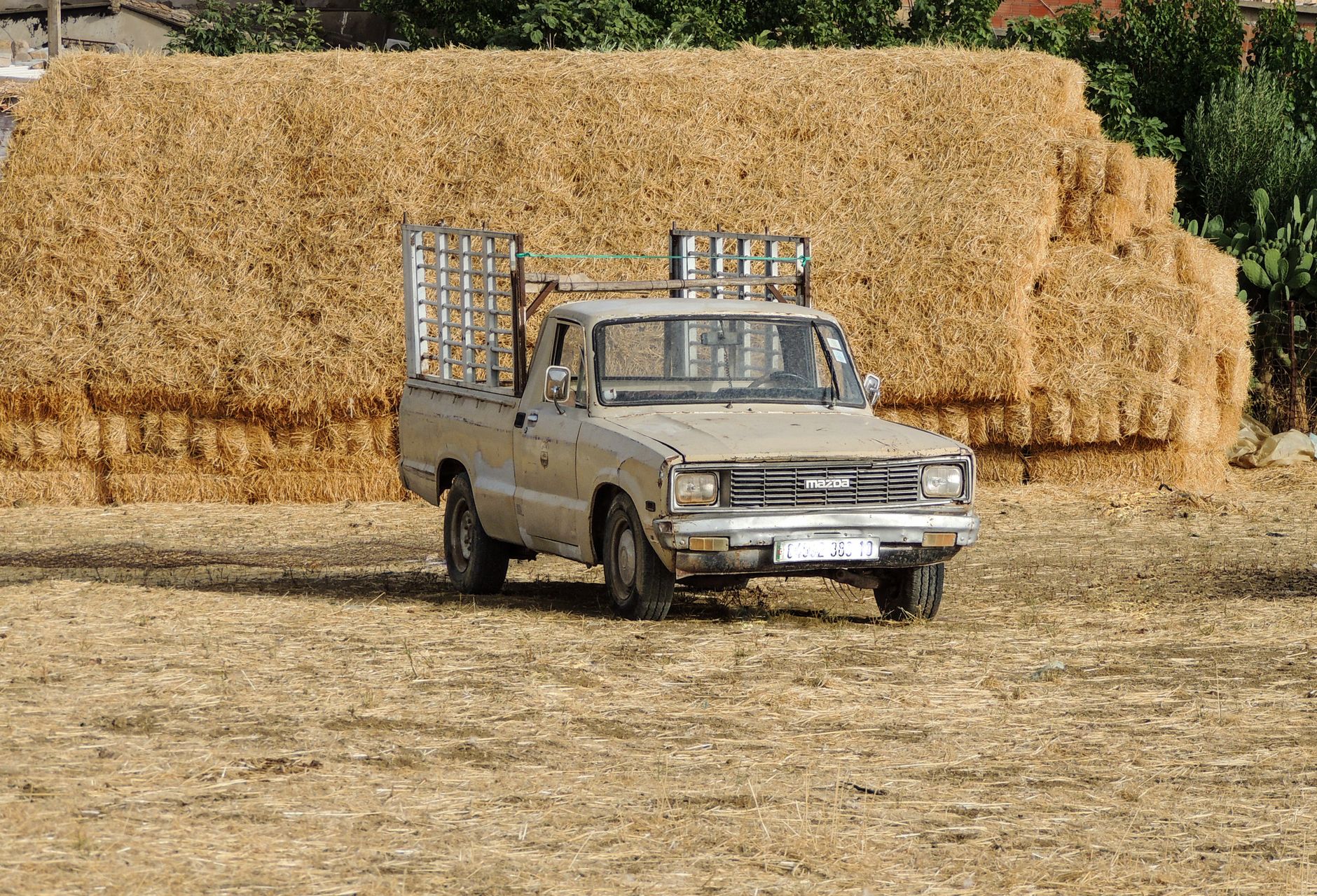
I sat with him more in those eight months than I had in the fifteen years before them. We did not talk about the store, or the classroom, or the years we’d wasted being too proud to call each other first. We talked about small things. The Cardinals’ bullpen. Whether the Renfro place two roads over was ever going to sell that back pasture. Whether the truck out back still pulled a little to the left when you braked hard, the way it always had.
I thought, in a few of those quiet afternoons, that we had found our way back to something. He would look at me sometimes with an expression I could not name, somewhere between pride and apology, and I told myself we would get to it eventually. There would be time to say the real things.
There was not.
He went fast at the end, the way the doctors had warned us he might, and I was in the room but he was not really there anymore by the time it happened. I have replayed those last conscious days more times than I can count, searching for something he might have said that I missed. I have not found it. Grief does not usually hand you a clean answer. It hands you a truck with two hundred and eleven thousand miles on it and tells you to make of it what you will.