The Widow Who Made Him Kneel
Vaughn Kessler Gets Up
He got up. Not because the usher had finally reached us, and not because a small crowd in the rows around us had gone quiet enough to hear every word, though both of those things had happened by then. He got up because Florence Whitlow had just handed him, without a trace of cruelty, the exact shape of a debt he had never known he owed.
“Ma’am,” he said to me, and I noticed he could not quite meet my eyes at first, “I am sorry. I mean that. Please, take the seats. Both of them. I’ll find somewhere else.”
His wife had already stood and gathered the oversized purse without being asked, her face gone the particular shade of red that comes from being caught, not from being sorry, though I would learn in the weeks that followed that at least one of them meant it all the way through.
My son, who had said almost nothing this entire time, looked up at Vaughn Kessler from his chair with the plain, unguarded honesty that eleven year olds still have and grown adults mostly lose.
“It’s okay, mister. I just really wanted to see the game.”
Something moved across Vaughn Kessler’s face when my son said that, something that had nothing to do with Florence’s tin or his own dead father anymore, and everything to do with a boy who had every right to be furious and simply wasn’t. He crouched down slowly to my son’s eye level, right there in the aisle, careful not to touch the chair without asking first.
“What’s your name, son?”
“Ulysses.”
“That’s a strong name.”
“My mom named me after my great grandfather. He farmed out past the county line for sixty years.”
Vaughn Kessler nodded slowly, like that answer had cost him something to hear.
“Ulysses, I was wrong to say what I said to you, and I’m sorry for it. You go on and enjoy this game. I mean that.”
He stood back up, nodded once to Florence Whitlow like a man accepting a verdict he knew was fair, and walked his wife up the ramp toward the general seating without another word of argument.
The Rest Of The Game
We sat down at last in the seats I had bought with the last four hundred dollars in my account, my son’s wheelchair locked into the space built for it, Florence Whitlow settling back into the row behind us with her tin closed again on her knees like nothing unusual had happened at all.
“Thank you,” I told her, and my voice came out cracked in a way that embarrassed me a little.
“Don’t thank me. Thank your boy. He offered to give up his own seat rather than make a scene, at eleven years old, with a body that’s still learning how to work. That tells me everything I need to know about how you raised him.”
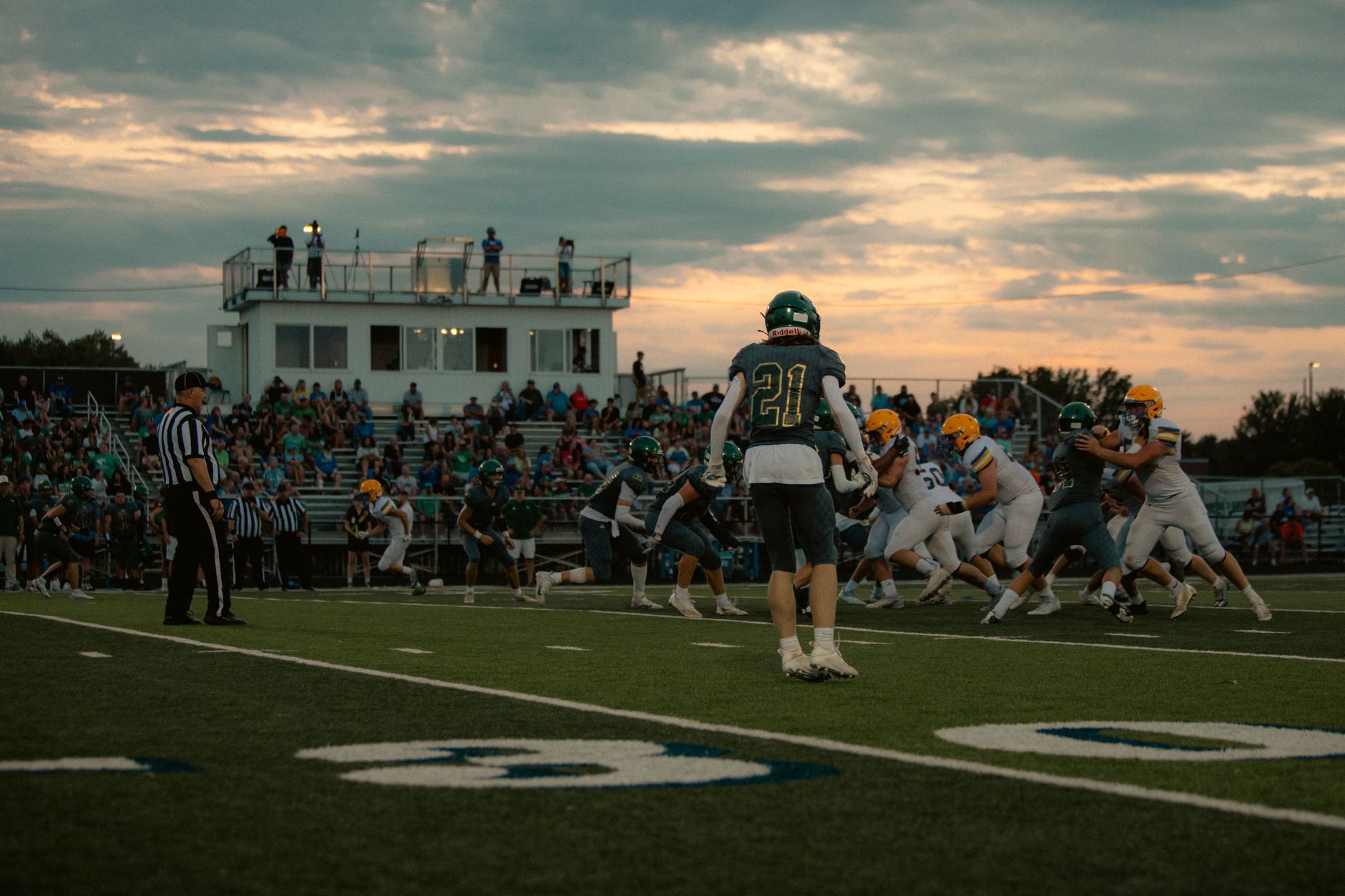
The Wildcats scored on the second possession of the game, and my son came up out of his chair as far as his body would let him, both fists in the air, hollering along with the whole section like he had never missed a single Friday in his life. Two rows down, I spotted the Calder boy, the same little boy my son had pushed clear of that truck six months earlier, sitting on his father’s shoulders with a foam finger nearly as big as he was, and for one whole quarter of football I did not think about hospital bills or spine surgeons or coffee cans of savings at all. I only thought about my son’s face, lit up gold under those lights, exactly the way I had promised him it would be.
Florence Whitlow leaned forward at halftime and rested one hand briefly on my son’s shoulder.
“Your great grandfather would be proud of you, Ulysses. Both for the boy you saved and for the boy you were tonight in that aisle.”