The Brother My Father Never Named
Sunday Supper At The Mill House
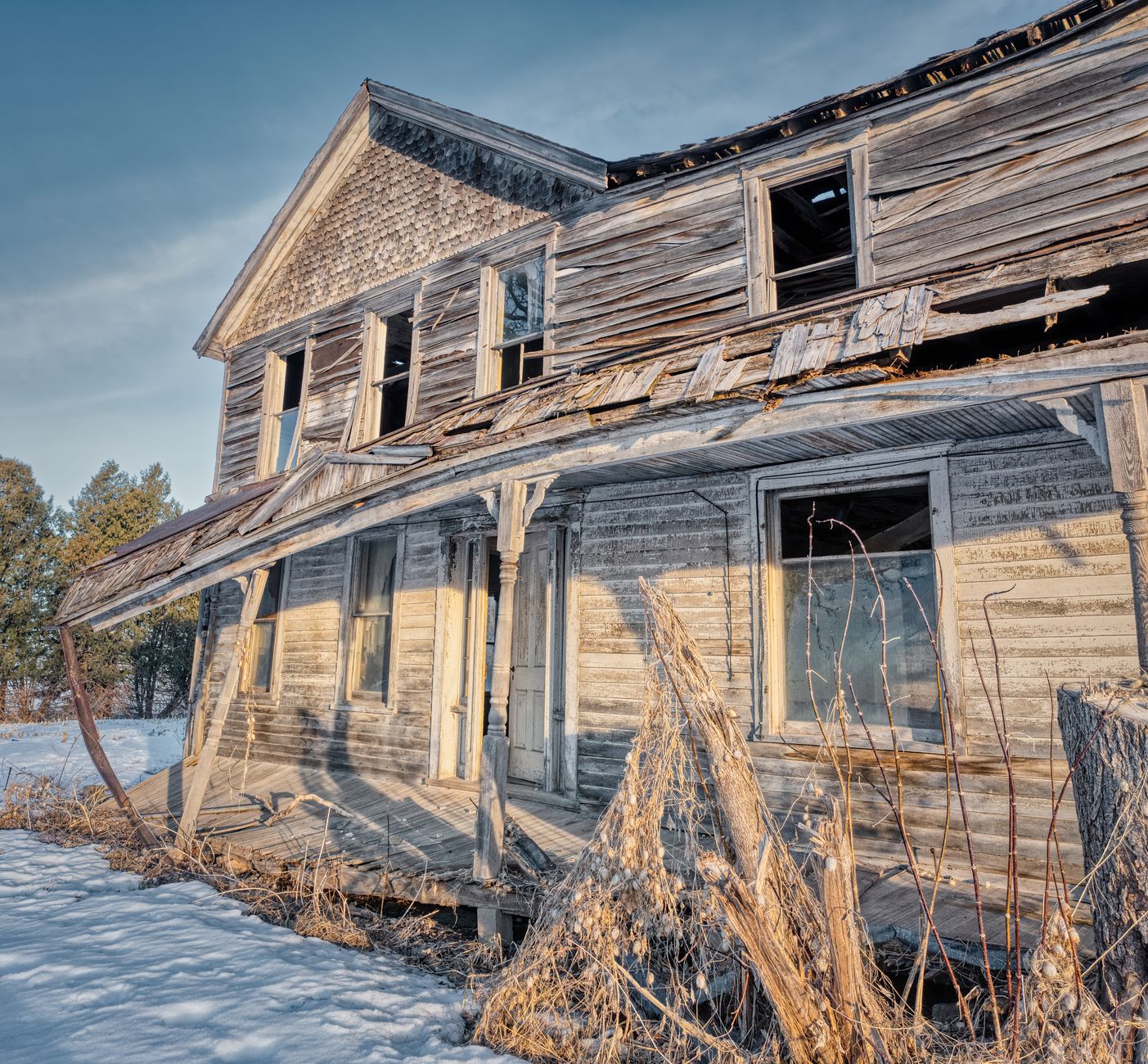
Hollis came to Cauble Mill Road three weeks later, on a Sunday, riding with me the whole four hours because his own driving days were behind him.
My mother met him on the porch of the house she had not set foot inside since the day the county men carried our furniture out of it, and she stood there a long moment just looking at him before she crossed the yard and put her arms around a man she had not seen since before I was born.
We had the whole family there that afternoon, my husband and my two kids meeting a great uncle they had not known existed a month earlier, Lavonne walking over from across the road with a green bean casserole she had clearly been saving for exactly this occasion, half the folks from the little brick church stopping by after the potluck to shake Hollis’s hand and tell him Cauble Mill Road had missed him longer than most of them had known to miss him.
We ate supper in the kitchen with the windows open and the evening light coming gold across the table, and afterward I walked Hollis back to the room my father had sealed shut for thirty four years. We had pulled the last of the old drywall down together that morning, my husband and I, and the afternoon sun came through that window for the first time in longer than I had been alive.
Hollis stood in the doorway a long time, looking at the narrow bed, the nail where the slingshot had hung, the boots still lined up by the door.
“He kept it just as it was,” Hollis said. “All those years.”
“He couldn’t look at it,” I told him. “But he couldn’t make himself get rid of it either.”
Hollis nodded slowly, and set my grandfather’s watch on the windowsill, in the last of that gold evening light, where anybody standing in that room could see it plainly from now on.
“Then let’s not seal it up again,” he said.
We didn’t. We turned that room into the sunniest spot in the whole house, the place where my kids do their homework now on Sunday afternoons, with an old cigar box on the dresser and a photograph of two boys in front of a mill smokestack hung on the wall where anybody walking past could see exactly what my father had spent thirty four years trying to carry alone, and exactly what it finally cost him nothing at all to lay down.
My youngest asked me last winter who the boys in the picture were. I told her the truth, both their names, and that they were brothers, and that they had stopped speaking over something so small that neither of them could remember it properly by the end. She wanted to know which one was her grandfather. I showed her. Then she asked why nobody just said sorry, and I did not have an answer for her that was worth the question, so I told her that sometimes grown people get very good at waiting and very bad at speaking, and that it is not the same thing as not loving somebody. She thought about that a while. Then she went back to her homework, and I stood in a doorway that used to be nailed shut and listened to a pencil moving in a room my father could not make himself open for thirty four years.
This story is a dramatization. Names, characters, and details are invented, and any resemblance to real people or events is coincidental.