The Brother My Father Never Named
The House We Lost
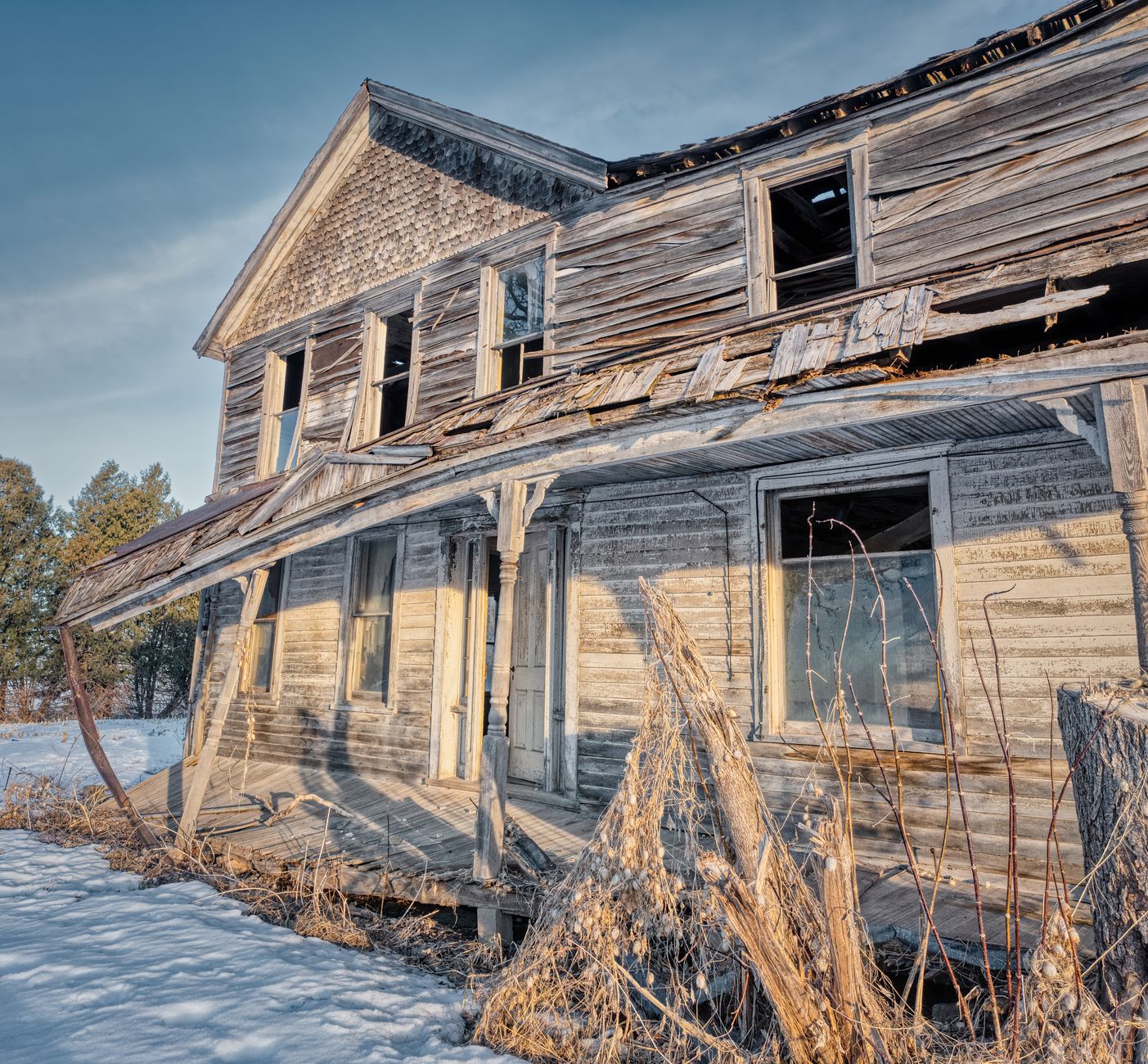
I was sixteen the winter we lost the house on Cauble Mill Road, and I have never once believed the word “lost” was the right one, because nothing about it felt misplaced. It felt taken.
The Cauble Mill had run three shifts a day since before my grandfather was born, spinning cotton into the kind of steady paycheck that built a whole town around it: the feed store, the diner on the county road, the little brick church with the bell nobody could ever get to ring quite right, the ballfield where half the county showed up on Friday nights to watch boys who worked the same looms their fathers worked. When the mill went dark, it did not go dark all at once. It went dark the way a man’s health goes, a little at a time, until one gray morning there was nothing left to be surprised by.
My father, Emmett, ran a small hauling outfit that had lived off mill freight for twenty years. When the orders stopped, so did the money, and so, eventually, did the house.
I remember the morning the county men came. I remember my mother standing in the driveway with her hand over her mouth, not crying yet, just holding the sound in. I remember my little brother sitting on the curb hugging a duffel bag because his football trophies had been stuffed inside it like they were nothing more than laundry. And I remember my father standing off to the side of all of it, hands in his pockets, refusing to meet anybody’s eyes, including mine.
He did not speak the whole drive to the apartment above the laundromat on the county road. He did not speak much of anything for a long time after that.
Twenty One Years Above The Laundromat
We lived above that laundromat for three years before we could afford somewhere with actual walls between the rooms. My mother, Thelma, never once said the word “house” out loud again after that morning, not the old one, not any other one. If a Realtor sign went up anywhere near town she would look the other direction on principle.
I did not have that particular discipline. I carried the address of that mill house through two waitressing jobs and a night program at the community college, through every Christmas I told my mother I could not get off work for because the truth was I could not afford the gas. I carried it through the year my father’s heart started acting up and the year after that, when it finally gave out on him in the recliner of a rental house three counties over, a man who had not slept under his own roof in twenty years.
I promised myself at his funeral, standing in a church fellowship hall eating potato salad off a paper plate with people I barely remembered, that I was going to get that house back. Not for him. He was past needing anything back. For the rest of us, the ones still here.
It took me another four years of putting money away in a coffee can and then, once I trusted myself not to touch it, an actual savings account. I never told my mother what I was saving for. I did not want to watch her face do whatever it was going to do.