The House He Was Saving For Geneva
What Colin and Maribel Believed
Colin went to the kitchen counter and came back with a single folded sheet, the kind of lease template you print off a website and fill in by hand, blanks completed in blue ballpoint. My name was on it. Not my signature. Just my name, typed into the line marked Owner, the way you’d type it if you were describing me to a stranger rather than pretending to be me.
“He told us you were older,” Maribel said. “Going through a hard time. That you weren’t up to showing places yourself anymore, so he handled it for you. He said that’s why we’d never meet you directly, only him.”
I looked at that sentence for a long moment. Older. Going through a hard time. It described me the way a man describes his brother-in-law’s grief to strangers when he needs those strangers to stop asking questions.
“What did he look like,” I asked, already knowing.
“Tall,” Colin said. “Carhartt jacket. Drives a white flatbed with a toolbox welded across the back. Introduced himself as Virgil, said he ran the rentals and did handyman work on the side.”
There it was. Not a stranger’s face I had to hunt for. A name I had known longer than I had known most of my own children’s friends, sitting in a stranger’s mouth like it belonged there.
Maribel’s hand found the doorframe like she needed it to hold her up. “Nobody told us any of this,” she said. “Nobody told us the house wasn’t really his to rent. We have four months of receipts. We have never missed a payment.”
I believed her immediately, and that belief was the worst part of standing in that driveway, because if she was telling the truth, and everything about her voice said she was, then somebody in my own family had rented out a dead woman’s house behind my back, built a story about my grief to make two strangers stop asking who I was, and pocketed cash from people who had done nothing except trust the wrong last name on a lease he typed up himself.
“That house wasn’t for rent,” I told them, and my voice came out rougher than I meant it to. “It was being held. For my daughter.”
The House That Was Waiting for Geneva
My daughter’s name is Geneva. She is thirty-one years old, and for two years now she has been finishing her LPN license at the technical college in Fargo, working nights at a nursing home in between clinicals, sharing a two-bedroom apartment with a roommate whose boyfriend was, by Geneva’s own account, always five minutes from moving in permanently and never quite doing it.
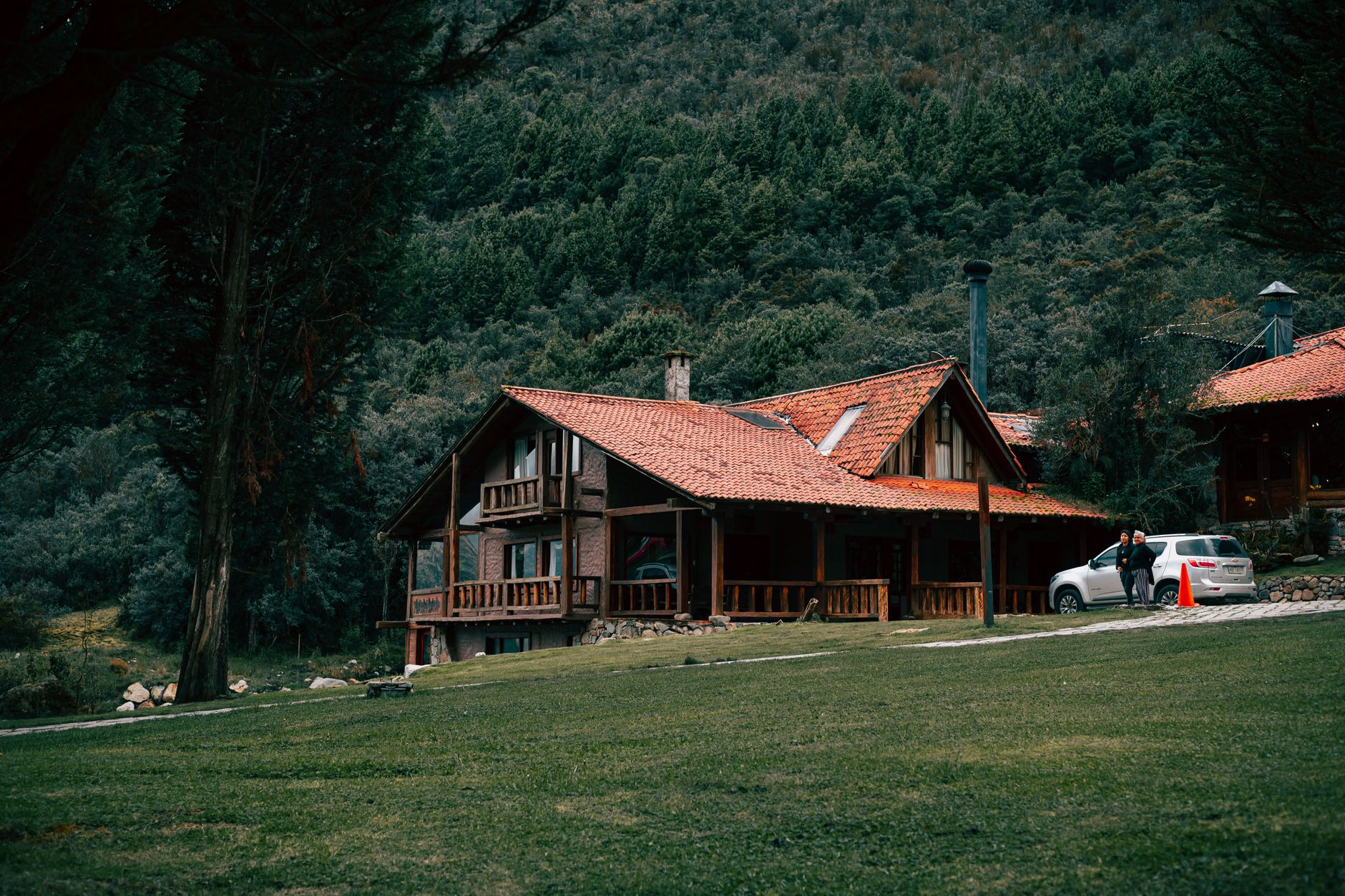
My wife’s mother’s house was going to be hers. That was decided at the kitchen table two summers ago, before the diagnosis, before any of us understood how little time was left to plan around. My wife wanted her daughter out of that apartment and into a house with a yard and a door that locked properly, close enough to Fargo for the hospital shifts, far enough out that the rent, once Geneva finished school, would be nothing at all, because it would already belong to her.
We had not moved fast on it. Geneva was not ready, financially or otherwise, to take on a house yet, not with tuition and a car payment and a roommate situation that kept almost resolving itself. So the house sat. Locked, mostly. A place we all understood was spoken for, even though nothing about that understanding existed anywhere but inside our own family, which is exactly the kind of arrangement that leaves a gap wide enough for somebody to walk a stranger through it.
Standing in that driveway, telling two people I had never met that the roof over their children’s toothbrushes belonged, in every way that mattered, to my daughter, I watched Colin’s face change from confusion to something closer to grief on somebody else’s behalf.
“We would never have signed anything,” he said quietly, “if we’d known there was a family waiting on this place.”
I told him I knew that. I told him this was not on them. I told them both to sit down at their own kitchen table, in the house they had every reason to believe was legitimately theirs to rent, and I asked to see everything they had.