The House He Was Saving For Geneva
What the House Is For Now
Colin and Maribel are still in that house. I sat down with both of them inside two weeks of finding out the truth and put a real lease in front of them, one with my own signature on it this time, at a fair rent, with the twenty-seven hundred dollar deposit they had already paid Virgil credited in full against the first two months, since it was never fair to ask them to pay twice for a mistake that was never theirs.
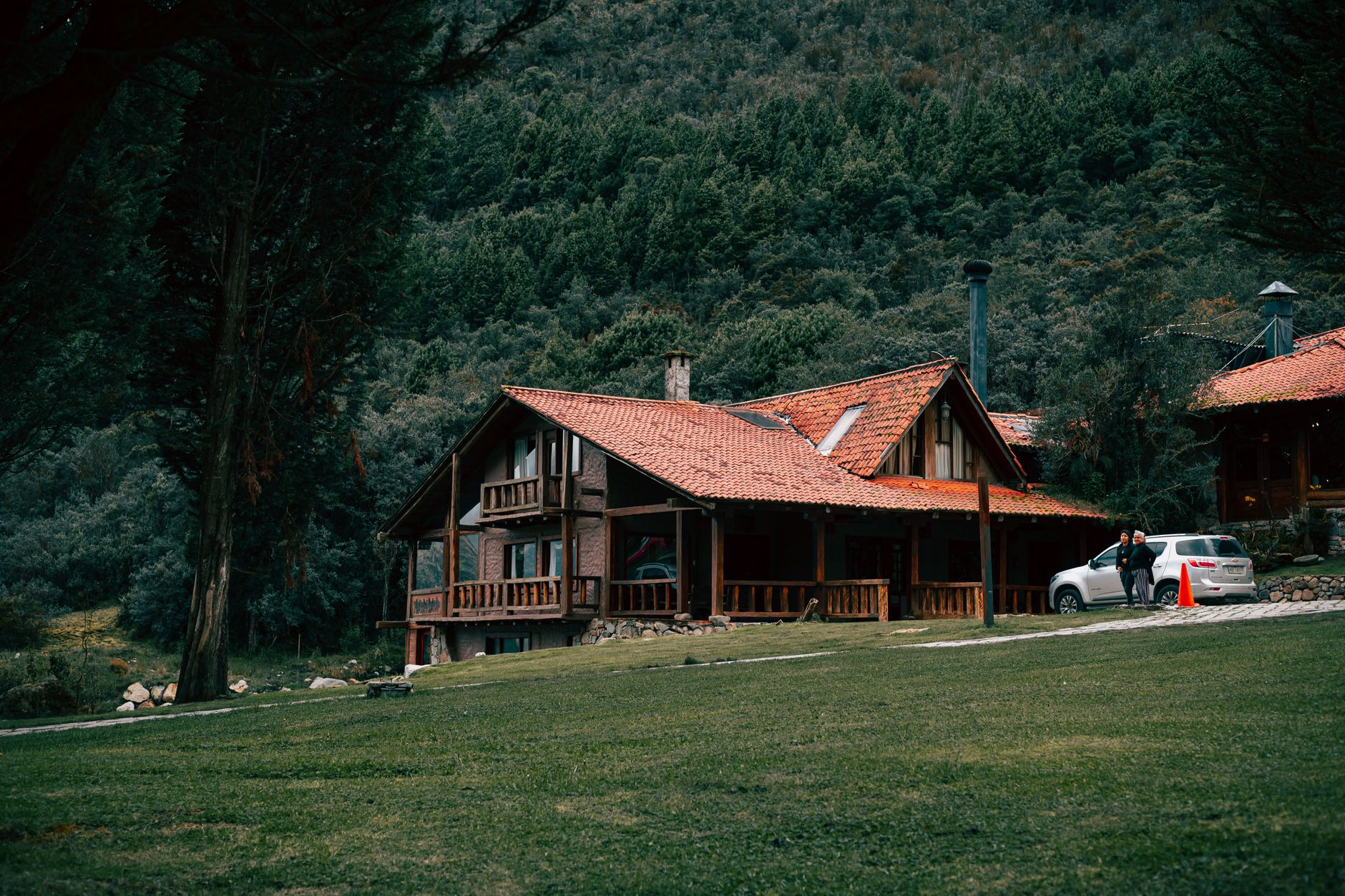
They have painted the porch since. Colin fixed the gutter on the north side without being asked, the way a man does when he has decided a place is worth taking care of. Their little boy rides that bicycle up and down the same gravel driveway where I once stood doing math I did not want to do, and some Sundays I drive out that way just to see the curtains, the same plain white ones, hanging a little straighter than they used to.
Geneva finishes her program in the spring. She will not be moving into that house, not now, and for a while I worried what that meant, whether the whole point of holding that place had quietly slipped away in the mess of the last two months. But the restitution money, the honest rent coming in every month from two people who never once tried to take advantage of anything, has done something I never expected. It is paying, almost dollar for dollar, toward a small apartment near the hospital where Geneva will start her first real nursing job, close enough that she will not need the car she cannot currently afford, in a building with better locks than the one she is in now.
The house did end up doing what my wife wanted it to do for our daughter. It just did it by staying exactly what it had accidentally become, a rental house with good people in it, instead of sitting empty behind a lock while we waited for a moment that kept not arriving.
Colin still works at the implement dealership on the edge of town, the same one that financed Virgil’s skid steer, and there is a particular irony in that neither of them seems to mind much. Maribel has started bringing a hot dish to the same Lutheran potluck my sister goes to, and last month I watched the two of them stand together at the folding tables like women who have known each other for years instead of months. On Friday nights, if the weather holds, Colin drives their boy the four miles into town to watch the high school team under the lights, the same lights I stood under as a kid myself, and I have started meeting them there, in the bleachers, because it turns out that is a better use of a Friday evening than sitting alone in a house that finally has the right people living in it.
I think about that notebook sometimes, the one Maribel kept in her kitchen drawer, dated and initialed, more honest by accident than anything Virgil ever wrote down on purpose. It never once told me why he did it. It only ever told me that something had moved, and moved wrong. Everything that actually mattered, the why, the years of quiet fear behind it, the sister who finally stopped protecting a secret that was never hers to protect alone, came out the old way, across a kitchen table, in somebody’s own voice, because that is still the only place a truth like this has ever really lived.
This story is a dramatization. Names, characters, and details are invented, and any resemblance to real people or events is coincidental.