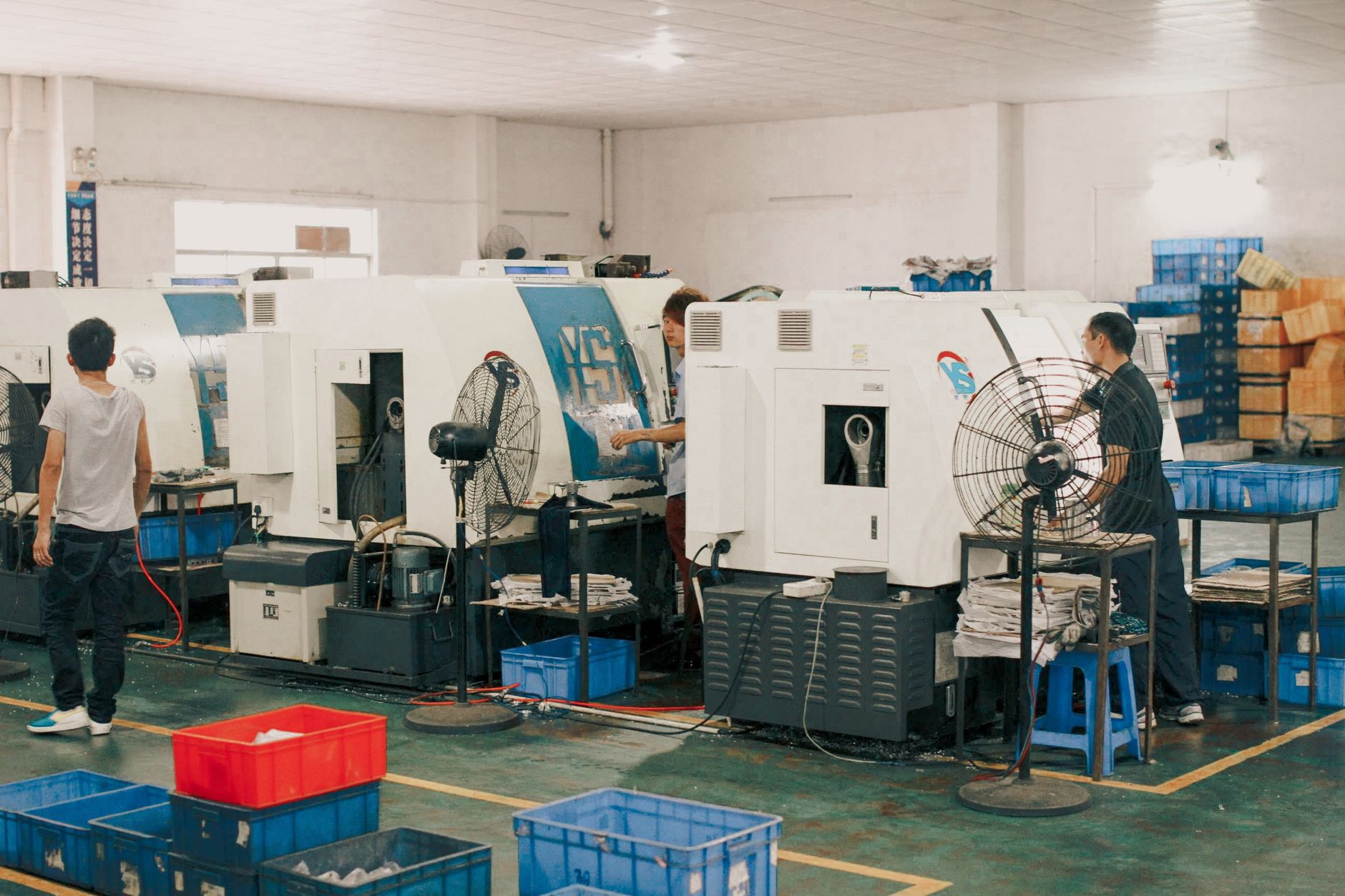
The Machinist His Crew Would Not Leave
By 1987 my father was ready to hand the whole operation to me outright, the land and the building both, and he did it the way farmers around here have always done these things: not with a bank and a dozen lawyers, but with a plain typed letter he had drawn up at the county extension office, one page, transferring the shop and the land under it to me for one dollar and love and affection, witnessed by two people who happened to be standing in the yard that afternoon. Ranney, who had just started working for my father that spring, was one witness. My own son Percy, sixteen years old and home from school for the day, was the other. He signed his name on the line because his grandfather asked him to hold the pen steady and put his name where he was told.
I kept that letter in a fireproof box under the desk in my office for the next thirty-eight years and never once thought about it again, because I never had a reason to.
Wilma and I ran that shop side by side for the next three and a half decades. She kept the books, ran payroll, negotiated with the bank, and knew every man on that floor’s wife’s name and every kid’s birthday. I ran the machines and the quotes and the clients. When the cancer took her four years ago, I buried her on a Saturday and I was back at the shop by Monday morning, not because I am hard, but because eleven families depended on that shop staying open, and grief has never once made payroll.
Percy
My son grew up on that shop floor the way farm kids grow up on a tractor seat, half raised there. He swept metal shavings before he could see over the workbench. He learned to run the manual lathe the summer he turned fourteen, and I remember how proud he was the first time he turned out a part clean enough to pass inspection without me checking it twice.
I always assumed he’d take the shop over someday, the way I took it from my father. When he came back from two years at the technical college with an associate’s degree in machine tool technology, I gave him a title, Operations Manager, and a truck with the company name on the door, and I started stepping back from the day to day scheduling so he could learn to run it the way I had learned, by doing.
Six years ago I handed him more authority than I have ever handed anybody. I let him hire. I let him quote jobs on his own. I let him sit across the desk from clients I had known for twenty years and speak for the shop like he had earned the right, because in most ways he had.
What I never did, because it never once occurred to me that I needed to, was put his name on the land, on the building, or on the letter in the fireproof box. In my mind, and in Wilma’s, that had always been the plan for later, for when I was ready to actually retire and not just delegate. We talked about doing it properly through an attorney one of these years. We never got around to it, the way you never get around to things that don’t feel urgent until the day they suddenly are.