The Aunt Who Moved In
What Stayed
The wedding, obviously, did not happen. The Halvorsens refunded most of the deposit once they heard why, being decent people who had known my mother from the quilting circle. My father spent that thirty-eight thousand dollars, or what was left of it once the vendors were settled up fair and square, on something else entirely, though it took him the better part of a year to tell me what.
What changed first, in the weeks right after, was smaller than money. My father started coming home for supper at a reasonable hour instead of finding reasons to stay late at the store. He started asking me actual questions and waiting through the actual answers instead of nodding along to whatever version was easiest. The first time my cast came off, he was the one who drove me to Dr. Whitcomb’s office and sat in the waiting room the whole appointment instead of dropping me at the door.
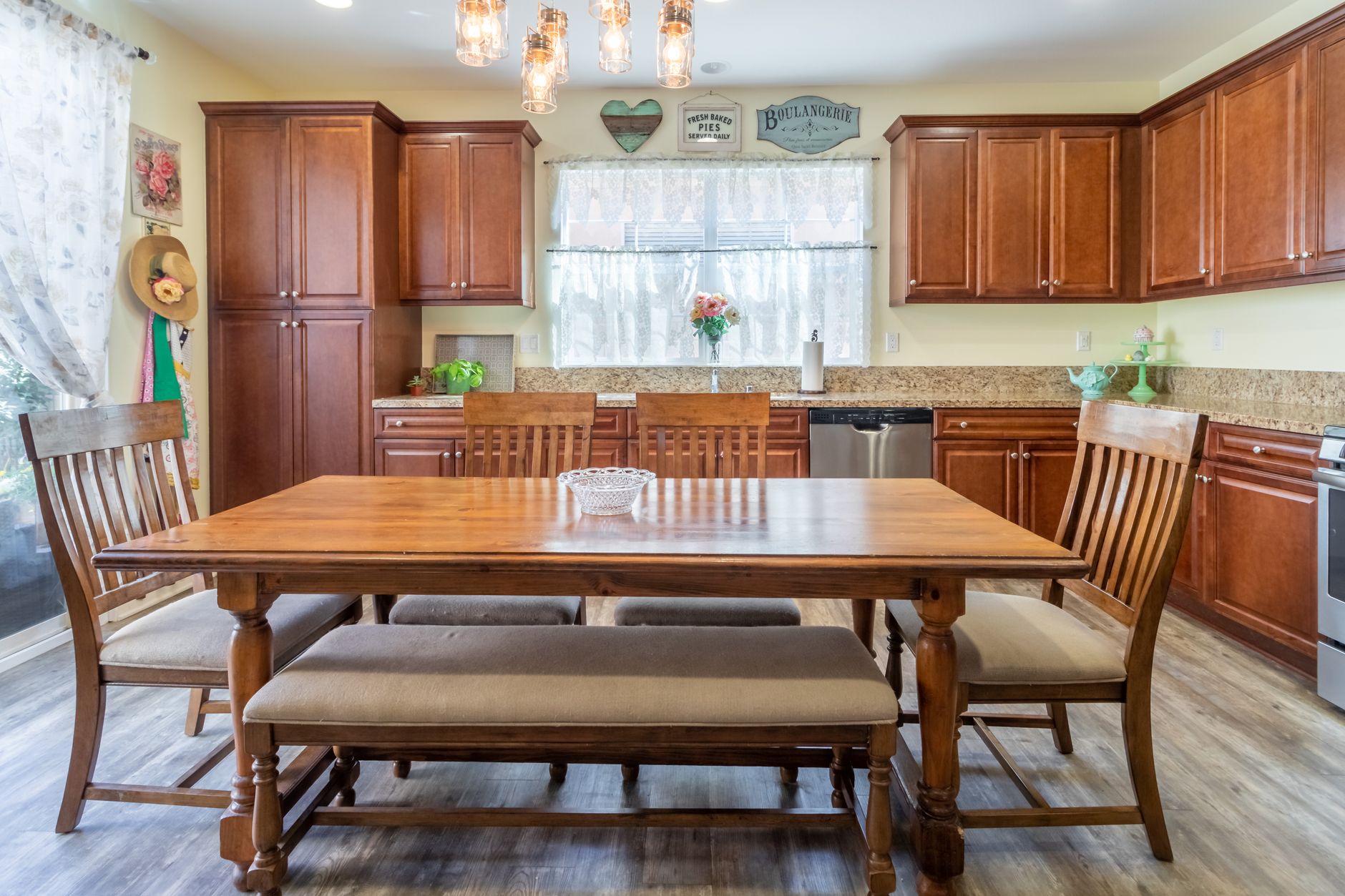
We started having Sunday dinner again, just the two of us at first, at the same table my mother used to roll pie crust on. He is not a man who apologizes twice for the same thing, but he found other ways of saying it. He fixed the porch step that had been loose since before Mom passed. He drove me himself, the long way, to pick up a truck for my twenty-fifth birthday out of the money he had once told me he was setting aside, the same money Bertha had wanted spent on string lights and a band from Springfield.
Quentin still comes around most Thursdays with a load of something or other for the horses, and he still knocks now before he comes up onto the back porch, which I think is less about manners than about giving people the chance to be their true selves before he has to decide what he saw. We do not talk much about that engagement supper. We do not need to. Some things get said once, clearly, in front of the right people, and after that they do not need saying again.
I still work the counter at Pruitt’s Diner, and old man Pruitt still asks after my father in that sideways small-town way, except now the answer is a true one instead of a polite one. I keep my mother’s milk-glass vases on the mantel where they have always sat, and I do not flinch anymore when I dust them.
My father was right about one thing he said to me that terrible year, though he did not mean it the way it turned out to be true. He told me life is complicated. It is. It took a man standing up in our own kitchen and saying a hard true thing out loud, in front of people he respected, for my father to finally see the difference between complicated and cruel.
He chose me that night. Not in a speech, not in some grand gesture, just in the plain, quiet decision to believe me and to stay, morning after morning, in the ordinary work of being my father again. Some men have to lose almost everything before they learn how to hold onto what’s left. I got lucky. I got to watch mine learn it in time, and I got to keep him.
This story is a dramatization. Names, characters, and details are invented, and any resemblance to real people or events is coincidental.