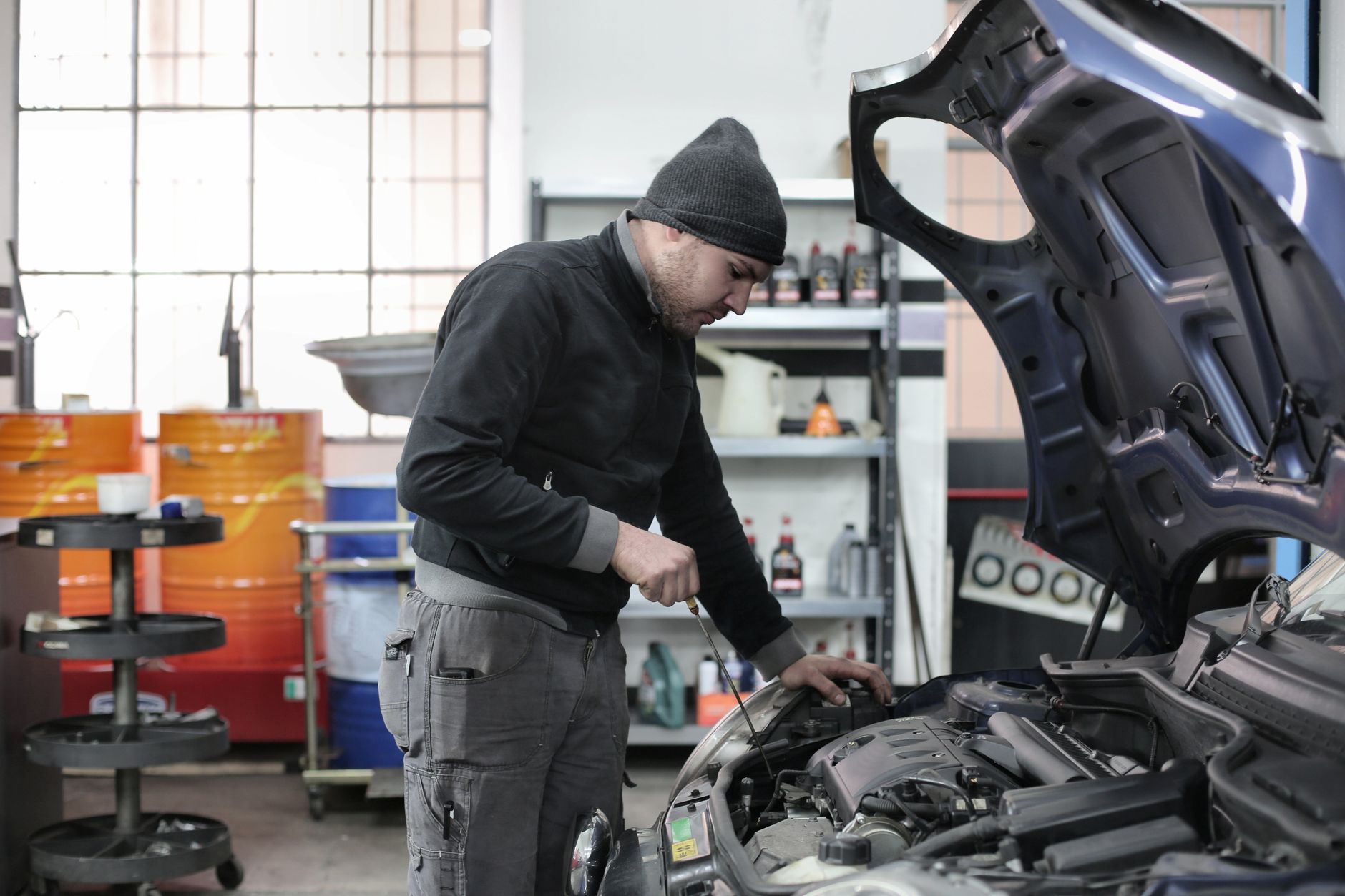
The Wallet He Gave Back
A Town That Notices Everything
Our town is small enough that nothing stays private for long, which is either a comfort or a curse depending on the week you’re having. Friday nights in the fall, half the county packs into the football stadium to watch boys some of us used to coach, huddled under stadium lights with thermoses of coffee that are not always just coffee. Sunday mornings, the Lutheran church two blocks off Main runs a potluck in the fellowship hall that has fed me more casseroles in three years of widowerhood, so to speak, than I could ever properly thank anybody for. The VFW hall hosts a fish fry the first Friday of every month, and the old men who gather there still call my father by name like he might walk in any minute and pull up a folding chair.
I mention all this because it matters to what happened. In a town like ours, everybody already half knows everybody else’s business, and a man trying to hide a failing garage and a balloon payment might as well be trying to hide a barn fire. I just hadn’t told anybody the whole truth yet, including myself some days.
A Balloon Payment Named Friday
Here’s the part I hadn’t told Sally, and hadn’t told hardly anybody besides my mother and the man at the bank whose job it apparently is to make grown men feel like children.
When my father expanded Kessler’s from a one bay operation to two, back when I was still in high school, he took out what the bank called a balloon note. Smaller payments for years, then one large final payment due all at once at the end. Emmett always said he’d have it paid off or the shop sold before that day ever came. He didn’t get either one done. He got a heart attack instead, on a Sunday, in his own driveway, with no will worth arguing over and a note that quietly kept ticking whether he was alive to watch it or not.
I inherited the shop. I inherited the note too, and I did not understand how big that balloon really was until the letter came from First Prairie Bank telling me the whole remaining balance, more money than I make in three good years, was due in full.
The date on that letter was a Friday in December. The same Friday, as it turned out, that duct tape boots and an overdue power bill and a Christmas I couldn’t afford were all lining up to arrive together, like bad news travels in a pack because it’s afraid to come alone.
I’d been in twice to talk to the loan officer, a clipped, careful man named Clifford who kept sliding forbearance paperwork across his desk like it was a kindness and not just a slower way of saying no. Clifford wasn’t cruel. He was just doing a job that had no room in it for a man’s whole life, only his numbers, and my numbers did not work.
“You need either a buyer for this note or a very large check, Mr. Kessler,” Clifford told me the second visit, not unkindly. “I don’t see either one on your file.”
I drove home that day and sat in my truck outside my own garage for twenty minutes before I could make myself walk in and smile for Sally like nothing was wrong.