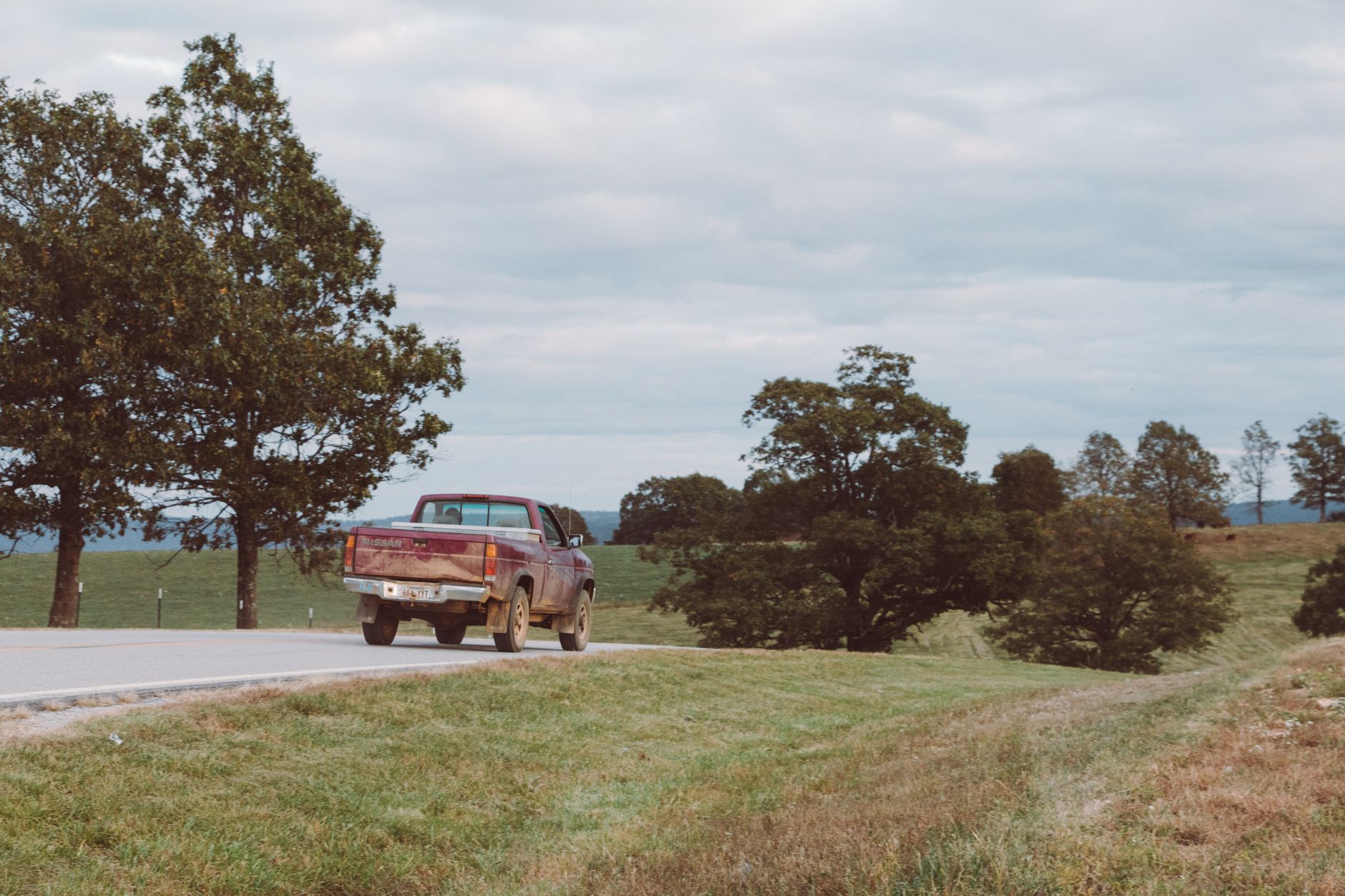
The Truck Door My Father Opened
The Rules of the House
Stacy’s place sat off a gravel spur a few miles outside town, a doublewide she had lived in since Tony was in middle school, with a garden out back that produced more tomatoes than any two people could eat and a canning shelf in the pantry that she guarded like a bank vault. To anyone who saw her at church on Sunday, in her good blouse, bringing a squash casserole to the potluck table and asking after everyone’s grandchildren by name, Stacy was simply a hardworking widow who had raised a good boy on her own.
The house had rules that never got written down anywhere but that everyone inside it understood by the second week. The good towels in the hall closet were not for guests who lived there full time. The thermostat did not move past seventy-four no matter what the heat index said outside. And the truck, the one Tony and I had bought together two years earlier and were still paying three hundred and forty dollars a month on, sat in Stacy’s name of convenience for exactly as long as it took her to decide it was actually hers to control, since Tony’s name was the only one on the loan and Tony, she reminded us more than once, was still living under her roof.
“It isn’t a punishment,” she told me the first time she took the keys off the hook by the door, the week Tony started a two week trial shift at a shop in Paragould that had him gone before sunup and back after dark. “I just think it makes more sense for one vehicle to serve the household, and I’m the one here during the day.”
I did not have a house to serve. I had a job twenty-five minutes away and a baby who needed to eat and a body that had not fully recovered from delivering him eleven months earlier. But Stacy had already decided, the way she decided most things, and arguing with her only ever bought you a longer version of the same conversation with the same ending.
So on days Tony had the truck for his trial shift, I walked. To the dentist’s office when I could catch a coworker for half the ride, and on Saturdays, three miles each direction, to the Fisher’s IGA on the highway for whatever groceries the budget allowed that week. I never told my father any of it. He had enough worry with his knees and his blood pressure, and some corner of my pride still believed I could manage my own marriage without handing my dad one more thing to carry.
That belief lasted exactly until the Saturday my ankle rolled in a rut at the edge of the ditch grass, and I had three miles left to walk, and a truck I recognized slowed down behind me.