The Widow Who Tested Her Family
Two Folders
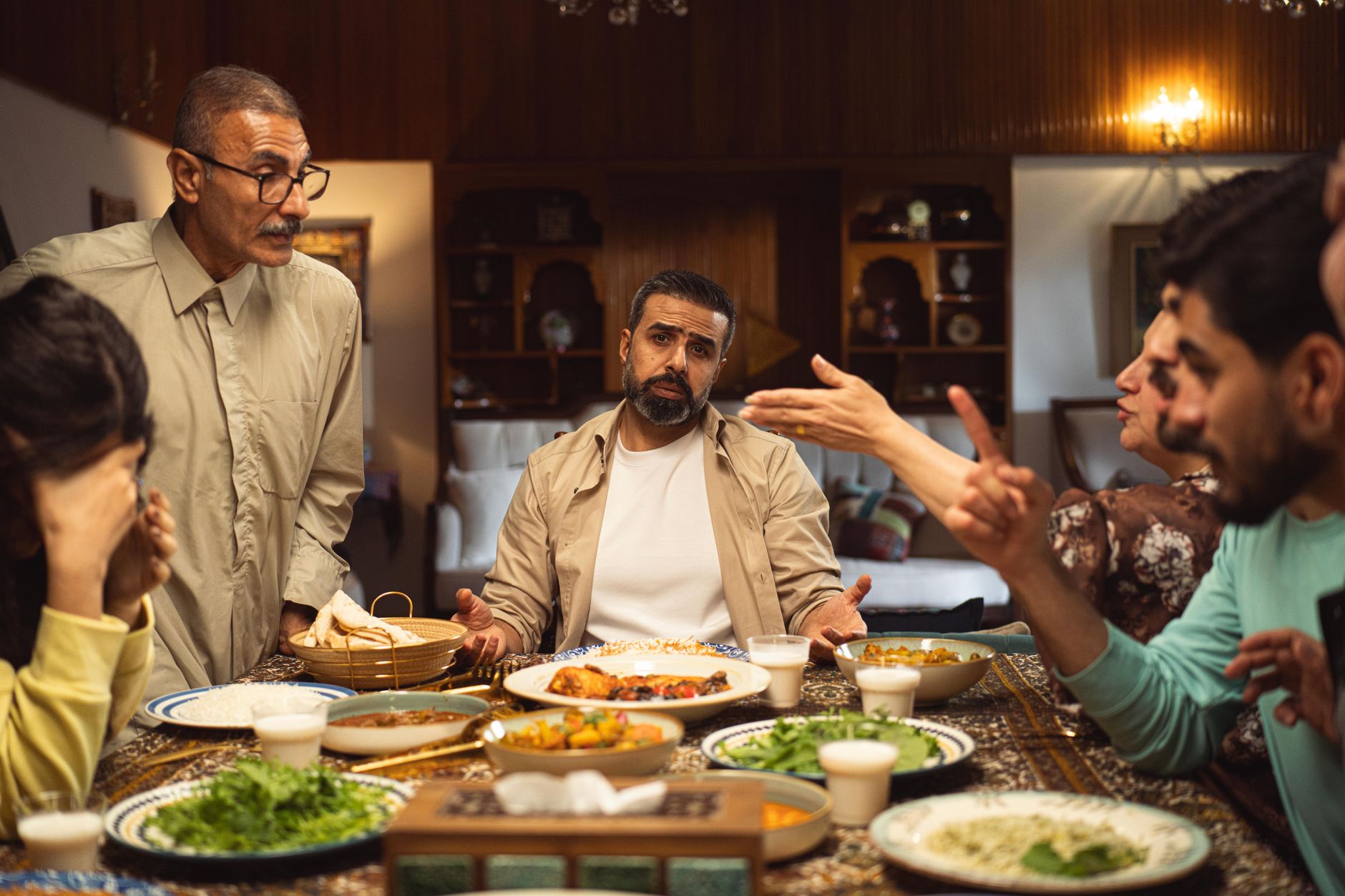
When the plates were cleared, I set the first folder in front of Karl and the second in front of Regina, and I told them both, plainly, what they contained.
I told them about Crossroads Logistics, and the four hundred acres, and the two point six million dollars wired into an account in June, three full months before either of them had stood in their own kitchen and told their sixty-nine-year-old mother to go bag groceries for ten dollars a day.
Regina’s face did the thing I imagine a poker player’s face does when the card that beats them finally turns over. She went very still, and very pale, and she did not touch her folder.
Karl opened his slowly, the way you open something you already suspect is going to hurt you, and read the first page, and looked up at me with an expression I had not seen on my son’s face since he was nine years old and had to tell me he’d wrecked his bicycle doing something he’d been told twice not to do.
“You had this,” he said. “This whole time. And you asked me for ten dollars.”
“I did,” I said. “I wanted to see what you’d say.”
I told them, then, calmly, about the conservatorship inquiry, about Dena’s niece at the bank, about the lawyer two doors down from Ron’s office. I watched Regina’s eyes cut sideways toward Karl, fast, the look of someone realizing a shared secret has just walked itself into the middle of the dinner table uninvited.
“You were trying to take control of a farm that didn’t exist anymore,” I said. “For my own protection. I would laugh, if I weren’t so tired.”
I told them what the trust said. A fixed distribution for Karl, enough to prove I had not stopped loving my son, not enough to reward what he had allowed to happen in his own kitchen. Nothing at all set aside directly for Regina. The rest to Lisa’s education, to the church roof, to the VFW hall in Jay’s name.
Regina found her voice first, the way she always did. “You can’t be serious. We’re your family.”
“Family doesn’t tell a woman with an empty pill bottle to go find a job at the Dollar General,” I said. “Family doesn’t go behind her back to a lawyer to talk about taking her land while she’s still standing on it. I gave you three months to prove me wrong about what I was starting to see. You proved me right instead.”