The Paper Vernon Forgot He Signed
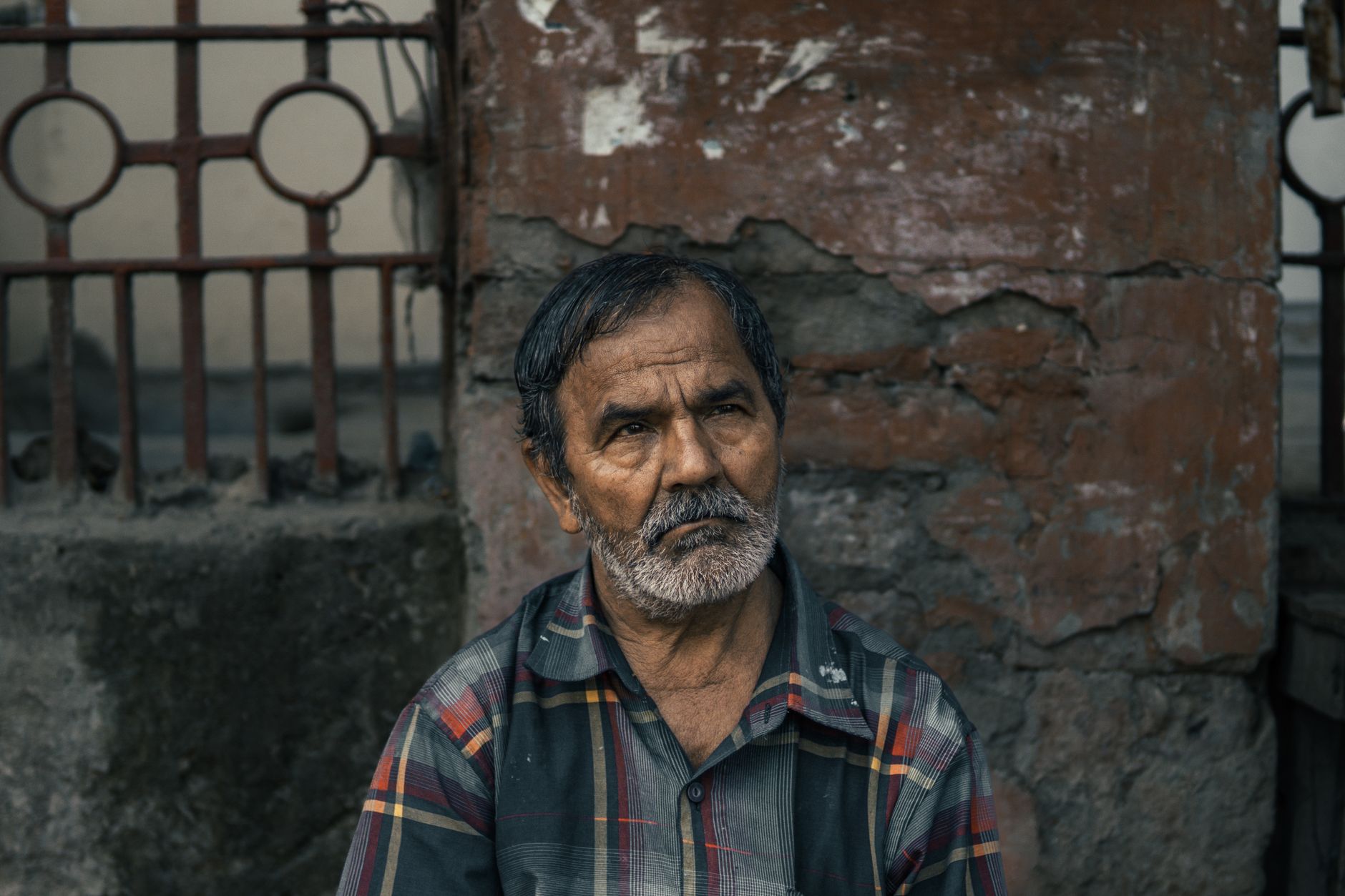
My father’s photo
For a minute I did nothing at all.
On my desk sat a framed photograph of my father standing next to the grain truck he drove for the co-op, one boot up on the running board, squinting into the sun. He had a way of saying things once and letting them sit. When I took the job at Kessler’s, he told me, “Loyalty’s a fine thing, Wade. But it’s only honorable when it runs both directions. A man who’s loyal to people who aren’t loyal back isn’t faithful. He’s just furniture.”
I had let myself forget that second half. For twenty-two years I had been loyal to the Kessler name, and I had told myself the name was loyal back, because Vernon smiled at me and called me the backbone and let me carry the whole thing on my shoulders. And on a Thursday at 3:47 in the afternoon, the name had told me exactly how much that loyalty was worth. It was worth training the boy who would replace me.
I looked at my father a while longer.
Then I opened the bottom drawer of the filing cabinet behind my desk.
The folder in the bottom drawer
The folder was still there where it had lived for over a decade. Manila, faded to almost gray, soft at the corners from a couple of moves between offices. Across the front, in my own handwriting, it read: Continuity Agreement, 2013.
Most everybody at the store had forgotten that folder existed. Loretta might have remembered. Vernon had not thought about it in years, I would have bet the store on that, and in a way I suppose I did.
I need to take you back to 2013 for this to land right.
That was the bad year. The drought had cooked two seasons in a row, farmers were not buying, and the factory, our supplier, tightened up the floor-plan financing, which is the line of credit that lets a dealer keep new tractors sitting on the lot without paying cash for all of them up front. When the factory tightened it, First Stockmen’s Bank got nervous about our note, and for about six weeks that spring it looked like Kessler Implement was going to lose its financing and fold, sixty years after Elmer sold that first tractor.
Vernon panicked. He was not built for a crisis. He came into my office one night after close, gray in the face, and asked me if I would put my own name on it. My own savings, thirty-one thousand dollars, everything Diane and I had set aside, as additional security so the bank would hold the line and the factory would keep us as a dealer.
I totally can relate. Corporate head sheds have no concept of “relationship selling”. They now think AI is all they need.
You make a great point, Fred. Technology can do a lot, but there’s still something about genuine relationships and trust that’s hard to replace.