The Baby Shower She Moved Across Town
The invitation showed up in my mailbox on a Tuesday in April, cream cardstock with gold foil script, an address printed at the bottom that I had to read three times before I understood what I was looking at. It was not my address. It was not Mount Zion’s fellowship hall on Fairman Avenue, the one my grandmother has belonged to for fifty one years, the one where I was baptized in a white dress with a satin bow sewn on by her own hands. It was a banquet room at the Kankakee Valley Inn, off the interstate in Bradley, fourteen minutes across town if the lights were kind to you. And at the bottom, where it should have said “Hosted by Ozella Rand and the Mount Zion Women’s Fellowship,” the way I had written it myself six weeks earlier when I placed the order, it said one name. Charlsie. Just Charlsie, in the same gold script, like she had thrown this whole party out of the goodness of her own heart and I was simply lucky enough to be invited to it.
I am Adaora. I am twenty nine years old, seven months along with my first baby, and I grew up on Fairman Avenue in a house two doors down from the woman who actually raised me, my grandmother, Big Mama Ozella Rand. I want to tell you about her before I tell you what my mother in law did, because you cannot understand the size of the wound without understanding the size of the woman it was inflicted on.
Fairman Avenue sits on the east side of Kankakee, a few blocks off Schuyler, close enough to hear the trains cross the river at night if your window’s open. It is not a fancy street. The houses are old and close together, most of them built back when the furniture plant on the north end of town ran three shifts and a man could raise five children on what he brought home from a single job. That plant closed before I was born, and half the families who used to work it left for Chicago or points further, but the ones who stayed, my grandmother among them, are the reason that street still feels like something instead of nothing. You cannot walk two houses down on Fairman Avenue without somebody’s grandmother knowing your name, your business, and whether you’ve eaten today, and if the answer is no, that problem gets solved before you make it to the corner.
My own mother worked nights for most of my childhood, a shift at a plant on the edge of town that ran until two in the morning, and so it was Big Mama who walked me to the bus stop on Fairman Avenue every morning of my life until I was old enough to walk myself, who braided my hair on the back porch on Sunday nights with a jar of grease and a fine tooth comb and a running commentary on every person in the neighborhood, who sat up with me through chicken pox and a broken wrist and my first real heartbreak at seventeen without once telling me it wasn’t as bad as I thought it was. She has quilted for the church auxiliary for four decades. She has cooked the repast for more funerals in this town than I could count, sweet potato pie and smothered chicken and greens cooked down slow with a hock bone, food that has fed grief out of more families on the east side of Kankakee than any preacher’s sermon ever could. When I was small and asked her why she never seemed to sit down at her own table until everyone else had eaten, she told me that was what a hand was for, feeding people, and a hand that stayed empty its whole life had wasted itself. That is the woman whose name got quietly lifted off my baby shower invitation and replaced with someone else’s.
I met my husband Dontrell at a cousin’s wedding six years ago, and I fell for him fast and completely, the kind of falling where you don’t examine the ground under your feet until much later. He grew up in Bourbonnais, the town that sits right up against Kankakee’s western edge, close enough that you could walk it if you had the whole afternoon, but a different world in every way that matters to the people who live in either one. His mother, Charlsie, raised him in a brick two story near Olivet Nazarene University with a manicured yard and a garage door that matched the trim, and she has spent as long as I’ve known her drawing a careful, unspoken line between her side of the family and mine. She has never said an ugly word about Fairman Avenue directly to my face. She didn’t have to. She said it in smaller ways, in the way she’d ask, at every single family gathering held on my side of town, whether there was “good parking” and whether it was “safe walking to the car after dark,” as if Big Mama’s block, where I played jump rope until the streetlights came on my whole childhood, were some kind of frontier she was bravely crossing rather than a quiet street of retired mail carriers and church deacons who have all known each other thirty years.
When Dontrell and I told his family I was pregnant, Charlsie had it posted on her own Facebook page, complete with a stock photo of baby shoes, forty minutes before I had even finished calling my own aunts. I let that go. I told myself she was excited, that grandmothers get ahead of themselves, that it wasn’t worth the fight. I have replayed that decision a hundred times since, wondering if letting the small thing go was what taught her she could take the big thing too.
Big Mama Ozella asked to throw my shower almost as soon as she found out, the way she has thrown every baby shower and wedding shower for every girl in our family since before I was born. She wanted it at Mount Zion’s fellowship hall, the low brick building behind the sanctuary where I have eaten a thousand church dinners, where the folding tables still have the same faded blue cloths they had when I was a girl, where the acoustics are bad and the air conditioning rattles and none of that has ever mattered to a single person who has ever sat in that room and felt like they belonged somewhere. I booked it myself in early March, walked into the church office and wrote a check for the hundred and fifty dollar deposit out of my own account, my own money, before Dontrell and I had even sat down to talk about who was paying for what, because I wanted my name on that paper. I wanted it to be mine to give my grandmother, after everything she had given me. The receipt is dated March the fourth. I know that date the way you know your own birthday now, because of what it turned out to mean.
I designed the invitations that same week with a woman from church who does calligraphy on the side, and at the bottom, exactly where a hosted by line goes, I wrote “Hosted by Ozella Rand and the Mount Zion Women’s Fellowship.” I wanted her name on it in gold. I wanted every person who opened that envelope to know whose hands this shower had come from.
Charlsie started in almost immediately once she heard the venue. She called it “cozy,” which from her mouth was never a compliment. She asked, more than once, whether the fellowship hall had air conditioning that actually worked, whether there’d be enough parking for “everybody coming from our side,” whether I’d considered that some of her friends “aren’t really used to that part of town.” I told her, as evenly as I could manage at six months pregnant with my ankles already swelling, that the hall was booked, the deposit was paid, and the invitations were going out that week. I thought that settled it. I have never been more wrong about anything in my life.
Three weeks later I got a phone call from the church office. The woman who keeps the calendar there, a soft spoken lady who has known my grandmother since they were girls together, was calling to ask if I was sure I wanted to cancel the fellowship hall booking, because someone claiming to be “the other grandmother, handling logistics for the family” had called that morning and canceled it. I stood in my kitchen with the phone against my ear and felt something drop straight through the floor of me. I hadn’t canceled anything. I hadn’t authorized anyone to cancel anything. And when I asked which deposit came back, I was told that once a booking is canceled inside thirty days of the date, the church keeps it, a policy printed right there on the contract I had signed myself. My hundred and fifty dollars, gone, without my knowledge, on the say so of a woman who wasn’t even the one who’d paid it.
I called Charlsie the second I hung up with the church, my hands shaking so hard I had to set the phone down on the counter and put it on speaker just to keep from dropping it. She didn’t deny it. She didn’t even slow down long enough to let me finish asking why. She said she’d already found somewhere “so much nicer,” a banquet room with real air conditioning and a real parking lot and a caterer instead of a potluck table, and that she’d already sent out new invitations to “our side” because she didn’t want anyone driving all the way into Kankakee proper for what she called, and I will hear this sentence in my sleep for the rest of my life, “a little church basement party.” She said it like she’d done me a favor. She said it like I should have been thanking her.
I asked her, straight out, why my grandmother’s name wasn’t on the new invitation as host. There was a pause on the line, the kind of pause that tells you the other person is deciding how much of the truth to give you. Then she said that she felt it made more sense for the invitation to have “one clear host so people know who to RSVP to,” and that she’d simply used her own name and number since she was the one who’d found the new venue. She did not mention the receipt. She did not mention that the venue and the caterer and the balance owed were, as I would learn three weeks later, sitting on paperwork with my own name on it, not hers. At the time I only knew that the woman who had washed my braids on a back porch for eighteen years had been erased from her own great grandbaby’s shower with a phone call she didn’t even know had been made until it was already done.
I called my husband at work, crying in a way I hated, the kind of crying that pregnancy makes bigger and messier than it used to be. Dontrell’s first instinct, and I say this with love because I do love him, was to try to keep the peace. He said his mother was “just trying to help,” that maybe the fellowship hall really wasn’t ideal for a hundred people in July heat, that surely we could find some middle ground. I asked him one question. I asked him whether “middle ground” included putting my grandmother’s name back where it belonged. He didn’t have an answer for that, not that day, and I hung up the phone feeling more alone in my own marriage than I had ever felt in the four years we’d been together.
That was the hardest week of my pregnancy, harder than the morning sickness, harder than the night I spent in the emergency room in my second trimester over a scare that turned out to be nothing. Dontrell and I are not people who go quiet with each other. We argue things out loud, usually before bed, usually with too much honesty and not enough tact, and we come out the other side of it closer than we went in. This time we didn’t argue. We just went quiet, both of us circling the same subject at dinner and neither of us willing to be the one to land on it, him because he didn’t want to choose between his wife and his mother out loud, me because some small, tired part of me was starting to believe Big Mama’s advice was the wiser road, that maybe peace really was worth more than a name on a piece of paper. I look back now and understand that quiet for what it was. It wasn’t peace. It was two people each hoping the other one would do the hard thing first so neither of us had to.
I drove to Fairman Avenue that same afternoon because I could not let Big Mama hear this from anyone but me. She was on the back porch shelling peas into a bowl in her lap, the same porch, the same posture I’d watched my whole life, and I sat down next to her and told her everything, the canceled hall, the new invitation, her name gone from the host line. I watched her hands keep moving through the peas the entire time I talked, steady, unhurried, and when I finished she was quiet for a long moment before she spoke.
“I’ve done my crying already, baby,” she said. “Plenty of it, over plenty worse than a party. This ain’t my day to make about me. It’s yours and that baby’s, and I’ll be there in whatever room they put you in, sitting in whatever chair they give me, and I’ll smile the whole time, because that’s what love does when somebody you raised is happy. Don’t you go making a scene on my account. I don’t need my name on a piece of paper to know what I did for you.”
I want to tell you that speech settled something in me, some peace that let me let it go the way she was asking me to. It didn’t. It broke something instead. Because I understood, sitting there watching her hands work those peas, that she had spent her whole life being the hand that fed everyone else first, the one who went without so somebody else could have more, and here she was doing it again, quietly making herself small so nobody else would have to feel uncomfortable. I decided right there on that porch that I was done letting her do that on my behalf.
She must have seen something in my face, because she set the bowl of peas down on the little table between our chairs and reached over and took my hand in both of hers, the way she used to when I was small and couldn’t sleep. Her hands are soft in a way that surprises people who don’t know her, soft from fifty years of dish soap and cocoa butter, and rough at the same time across the knuckles from fifty years of wringing out quilts and turning over cast iron skillets. “You know what I remember most about the day your mama brought you home from the hospital,” she said, not really asking. “I remember standing in my own kitchen, not this one, the one on Elm before we moved, and thinking, Lord, I don’t know if I have the strength left in me to raise another one right. I was fifty three years old. I’d already raised my own babies and buried a husband and I was tired in my bones. And you know what got me through it?” I shook my head, even though I already half knew the answer. “Wasn’t strength,” she said. “It was showing up anyway, tired or not, every single morning, because a child doesn’t need you to feel strong. She just needs you to be there. That’s the whole secret, baby. Showing up is the gift. Everything else is just decoration.” I have thought about that sentence every day since, decoration, because that is exactly what Charlsie’s gold script and her banquet room and her caterer were. Decoration around an absence.
I didn’t say any of that to her. I told her I loved her, I hugged her as best I could around my belly, and I drove home and did not say a word to Dontrell or Charlsie for four days. I needed to think, and I needed, more than anything, to understand what had actually happened, because something about the whole thing didn’t sit right with me beyond the obvious hurt of it. Charlsie had made a great show of “finding somewhere nicer” and “hosting” this shower, and yet I couldn’t remember a single conversation where she’d said she was paying for it. I decided to find out.
The chance came a week later, when Charlsie called and asked, almost offhand, whether I could “just put the final balance on your card for now” for the banquet room, since she was “a little stretched this month” with a kitchen renovation, and she’d Venmo me back before the date. I said of course, the way you say things when you’re trying not to start a war you don’t yet have ammunition for, and I told her I’d swing by the inn myself to confirm the headcount and pick up a copy of the paperwork, since I needed the final numbers for the caterer anyway.
I drove to the Kankakee Valley Inn the next morning and asked the events coordinator for a copy of the contract and the deposit receipt for my own records. She printed them without a second thought and slid them across the counter, and I stood right there in that lobby with the taste of the coffee they’d offered me still bitter in my mouth and read a piece of paper that changed the whole shape of what I understood about the last month of my life.
The contract was in my name. My name, my address, my phone number, my card on file for the deposit and the balance both. Not Charlsie’s. And the date at the top of the booking confirmation stopped me cold. It was dated eleven days before Charlsie ever called Mount Zion to cancel my grandmother’s booking. She had reserved this room, under my name and my card information, which she must have had from an old family group order months back, before she ever said one word to me about “finding somewhere nicer.” She hadn’t stumbled onto a better venue out of generosity after hearing my concerns. She had planned this from the start, quietly, behind my back, and used my own name and my own money to do it, all while telling every single person on her side of the family that she was the one throwing this shower, that it was her gift to give.
I sat in my car in that parking lot for a long time before I could make myself drive home. I wasn’t angry in the loud way at first. I was angry in the cold, clear way, the way you get when you finally see a shape that’s been standing in a dark room the whole time and you realize you could have reached out and touched it days ago if you’d only known where to put your hand.
I called Dontrell and asked him to meet me at the house instead of going straight home from work. I laid both pieces of paper on our kitchen table, the church’s cancellation notice and the banquet room contract, side by side, and I let him read them without saying a word. I watched my husband’s face change as he understood what I already had, that his mother had not thrown this party for us at all. She had taken over a party his wife had already paid for and organized for his grandmother, quietly rerouted the credit to herself, told her whole circle of friends she was hosting a shower she hadn’t spent a dollar planning, and left the actual financial risk sitting on my card the entire time. He set the papers down and was quiet for almost a full minute. Then he said, “I need to call my mother.” I told him I wanted to be on that call.
Charlsie answered light and breezy, already talking about centerpiece colors, until Dontrell cut her off and asked her, plainly, whether the banquet room contract was in Adaora’s name. There was a silence on the line I will remember for the rest of my life, the sound of someone realizing the story they’d been telling everyone, including themselves, had just run out of road. She tried the parking argument again. She tried the air conditioning argument again. She said something about wanting things to look nice for “the people who mattered,” and the second that sentence left her mouth she seemed to hear it too, because she stopped herself mid word.
I spoke for the first time on that call and asked her one simple question. I asked her whose name was on the receipt for the party she’d been telling people for three weeks that she was hosting. She didn’t answer right away, and when she did, her voice had gone smaller than I had ever heard it. She said it was mine. I asked her whose name had been on the fellowship hall receipt before she canceled it without asking. She said that one was mine too. I told her that meant every dollar of risk on this shower, from the very first deposit to the very last balance due, had been mine and my grandmother’s church family’s, start to finish, and that the only thing Charlsie had actually contributed was a phone call that erased a seventy four year old woman’s name from her own great grandbaby’s celebration. I didn’t raise my voice. I didn’t need to. The paper had already said everything that needed saying.
What happened after that call is the part I’m proudest of, not because it was a triumph exactly, but because it was honest in a way our family hadn’t managed to be in a month. Dontrell told his mother, calmly but without any wiggle room, that Big Mama Ozella’s name was going back on that invitation as host, in the same size print as anyone else’s, whether Charlsie liked it or not, and that he would be the one driving to Fairman Avenue himself on the morning of the shower to bring his grandmother and whichever of her church friends wanted a ride, because he understood now, a month too late but not too late to matter, that a woman who can’t drive the highway at night because of her eyes doesn’t need a nicer parking lot. She needs somebody willing to make the drive to get her.
Charlsie was quiet on the other end for a long moment, and then she said something I hadn’t expected, that she’d tell her friends the venue change was to accommodate a larger guest list, which was, in its own small way, the closest thing to an apology I think that woman is currently capable of giving. It wasn’t enough. It was, at least, a start, and I decided, for the sake of the baby I was carrying and the marriage I still believed in, to let it be a start rather than demand it be an ending.
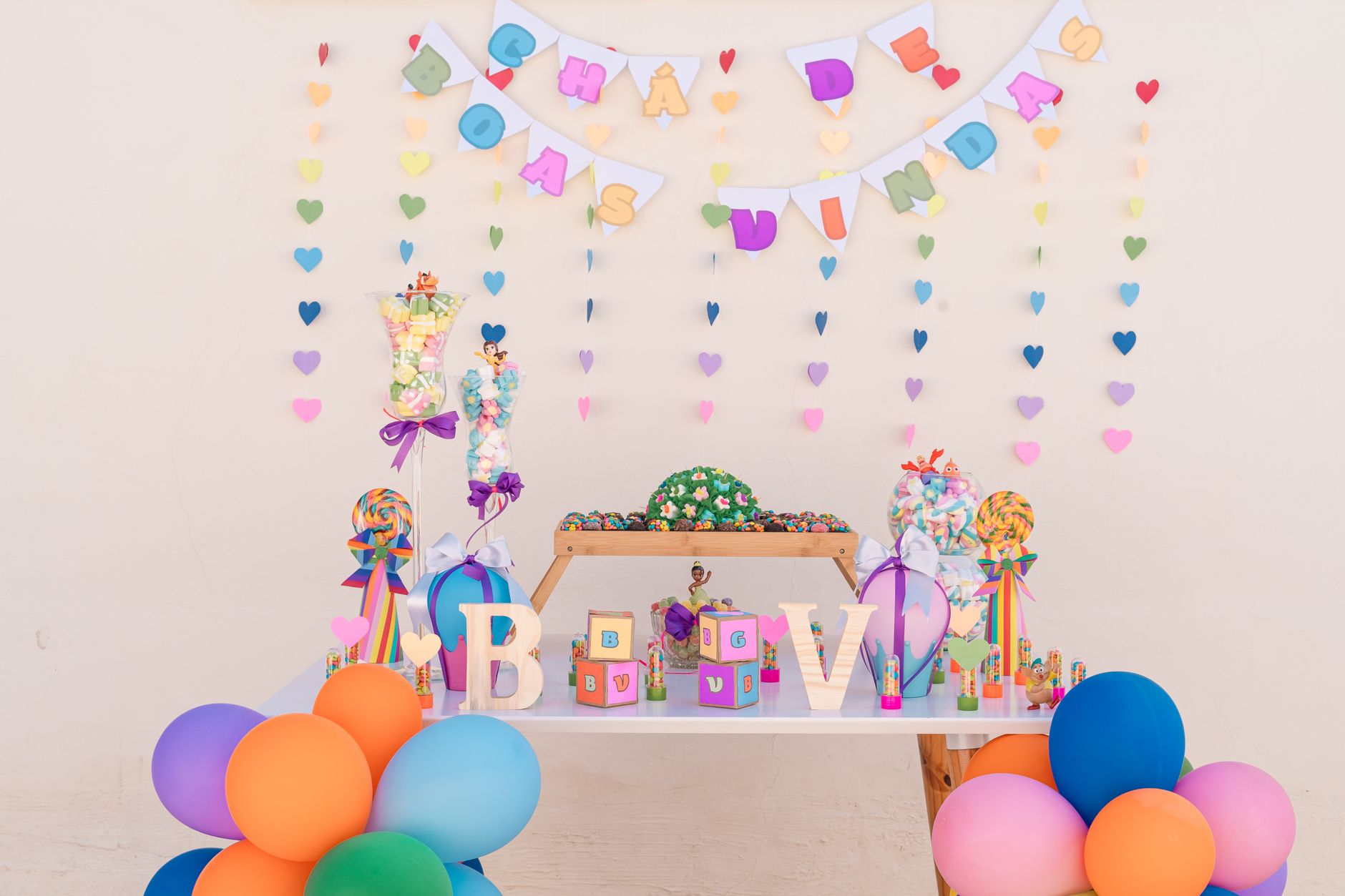
The shower happened on a Saturday in June at the banquet room at the Kankakee Valley Inn, the room Charlsie had chosen and my name had paid for, and it looked nothing like the party Charlsie had originally planned. Big Mama Ozella’s name sat at the top of the program in the same gold script as everyone else’s. Dontrell drove out to Fairman Avenue at eight that morning and brought back not just his grandmother but three of the Mount Zion Women’s Fellowship ladies who’d been quietly left off the second round of invitations, all of them dressed in their Sunday best in the back seat of his car like a choir on its way to sing. Big Mama brought two of her sweet potato pies, wrapped in dish towels on her lap the whole ride, and set them right in the middle of the dessert table between a catering company’s cupcake tower, and I watched three different people from Charlsie’s side of the family go back for a second slice before the afternoon was over.
I had spent the morning nervous in a way that had nothing to do with the baby, worried that Charlsie’s side would fill half the room and Big Mama’s church family would end up huddled in a corner near the door the way guests do when they can tell they weren’t really wanted. That isn’t what happened. Whatever Charlsie had told her friends about the venue change, enough of them arrived curious rather than territorial, and within twenty minutes of the doors opening I watched one of Charlsie’s Olivet lady friends sit down at the same round table as two of the Mount Zion quilting women and start comparing notes on canning tomatoes like they’d known each other for years. My cousin manned a punch bowl in the corner and kept sneaking extra scoops of sherbet to any child who asked twice. Somebody had brought a Bluetooth speaker and somebody’s uncle kept adjusting it to a gospel station nobody remembered requesting, and it turned out to be exactly right for the room.
When it came time for toasts, Charlsie stood up first, the way she always does, and gave a gracious, well rehearsed few sentences about family and new beginnings that carefully avoided the word “hosted” altogether. Then I stood up, seven months pregnant and steadier than I expected to feel, my hand resting on the underside of my belly the way it had taken to resting all on its own those last weeks, and I said that I wanted to thank the woman who had actually raised me to be the kind of mother I hoped to become, the woman who walked me to the bus stop every morning of my childhood and fed half this town’s grief out of her own kitchen and never once, in twenty nine years, asked for a single thing in return. I asked Big Mama Ozella Rand to stand, and the whole room stood with her, applause rolling from table to table the way it does when a room recognizes, all at once, who the real weight in it has always been. I watched Charlsie clap along with everyone else, her face doing the complicated work of a woman learning in real time that some things cannot be quietly rerouted no matter whose name goes on the invitation. Big Mama didn’t say a word. She just pressed one hand flat against her chest, the way she does in church when a hymn gets to her, and sat back down.
Things between Charlsie and me are not perfect now, and I have stopped expecting them to be. She still comments on parking. Old habits like that don’t die just because they got caught out once in a banquet hall lobby. But she calls Big Mama “Mrs. Rand” now instead of nothing at all, and she was the one, three weeks after the shower, who mailed my grandmother a card with a folded twenty dollar bill inside and a note that said only “for the pies, they were the best part,” which is as close to an apology as I expect I will ever get from that woman, and which I have decided, for my daughter’s sake, to accept as one.
My daughter was born five weeks later, healthy and loud and utterly unbothered by any of the trouble it had taken to properly welcome her into this family. We didn’t give her a first name after anyone in particular, we wanted that to be entirely hers, but her middle name is Ozella, plain and unadorned on the birth certificate the way my grandmother has always lived her life, a woman who never needed her name in gold script to be the realest thing in any room she ever walked into.
I kept both receipts, the canceled church booking and the banquet hall contract, tucked into the front pocket of my daughter’s baby book, not out of spite but as a kind of proof I want her to have someday, that her mother learned early what it costs to let somebody else’s comfort matter more than your own grandmother’s dignity, and that the fix for it isn’t always shouting. Sometimes it’s just two pieces of paper, laid side by side on a kitchen table, telling a truth that a month of phone calls had tried very hard to bury. Big Mama still shells peas on that same back porch on Fairman Avenue most Sunday evenings, and most Sundays now, I bring the baby, and we sit there together while the streetlights come on, in the only room that was ever really hers to give me in the first place, her own front porch, her own hands, her own steady, unhurried love, long before anybody ever printed a single invitation.
This story is a dramatization. Names, characters, and details are invented, and any resemblance to real people or events is coincidental.