The Truck My Husband Built With His Hands
“It’s just a truck, Joanne. Roy’s gone, and a truck that sits is a truck that rots. Honestly, I’m doing you a favor.”
My son-in-law Shane said it on a Sunday afternoon in September, with a fork in his hand and a mouthful of my daughter’s pot roast. He did not say it meanly. He said it the way you tell a child there is no monster in the closet, patient and a little bored, as if the matter had been settled before I opened my mouth.
“You’ve got the Buick,” he added. “That truck’s worth nine thousand dollars, tops. I looked it up.”
Nobody at the table said a word. My daughter Kari looked at her plate. My grandson Wyatt looked at me. Emmy, who is twelve, kept chewing, the way children that age do when they can sense a storm.
I set my fork down. I folded my napkin and laid it beside my plate, the way my mother taught me to leave a table.
“All right,” I said.
That is the whole of what I said. Two words. I want you to know that, because for six months those were the only two words Shane ever expected out of me, and he had built a good deal on them.
I did not know yet what I was going to do. But somewhere between the pot roast and the peach cobbler, I knew I was finished saying them.
My name is Joanne Kessler. I am seventy-three years old, and I live outside Dewberry, Oklahoma, which is a grain elevator, a First Baptist church, a hardware store that has been closing for ten years and never quite does, and one blinking yellow light. I ran the school cafeteria for twenty-six years, and if you went through that building between 1984 and 2010, I probably told you to finish your green beans.
My husband was Roy Kessler. We were married forty-eight years, and in all that time I never once heard him raise his voice to a living soul. He died in January, in his chair by the window, with the Thursday paper open on his knee. The doctor said his heart simply stopped. I have decided to believe it was a mercy, though I am still working on that.
The truck is the part you need to understand.
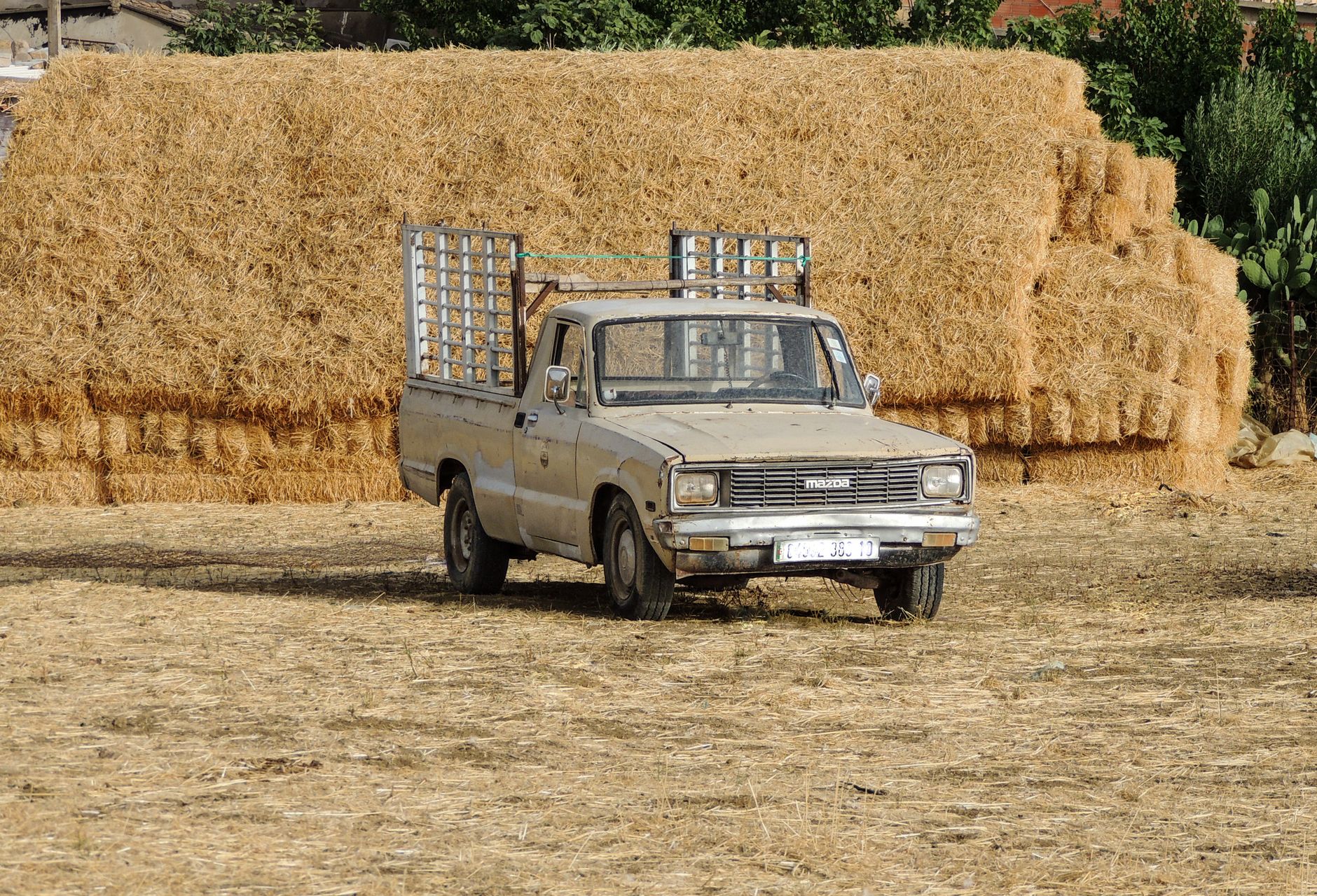
In the fall of 1983, Roy paid three hundred dollars at an estate sale near Wewoka for a 1974 Chevrolet half-ton that had spent a decade rusting in somebody’s tree line. It had no engine worth the name and no glass in the passenger window. I stood in the yard with Kari on my hip, not yet two, and told him he had lost his mind.
“She’s got good bones, Joanne,” he said.
He spent nine winters on that truck. Every night after supper he walked out to the barn, and I would hear the radio and the rattle of a wrench, and sometimes the low, tuneless whistle he did when something was going right. He rebuilt the engine on a bench he made from two sawhorses and a door. He traded a calf for the bench seat, and he painted her himself in two tones, a deep hunter green with a cream stripe, the colors of the old John Deere his father farmed with.
The day she finally ran right, he drove her up to the house and honked the horn like a boy. I came out on the porch drying my hands. He leaned out the window and said, “Well? Get in.”