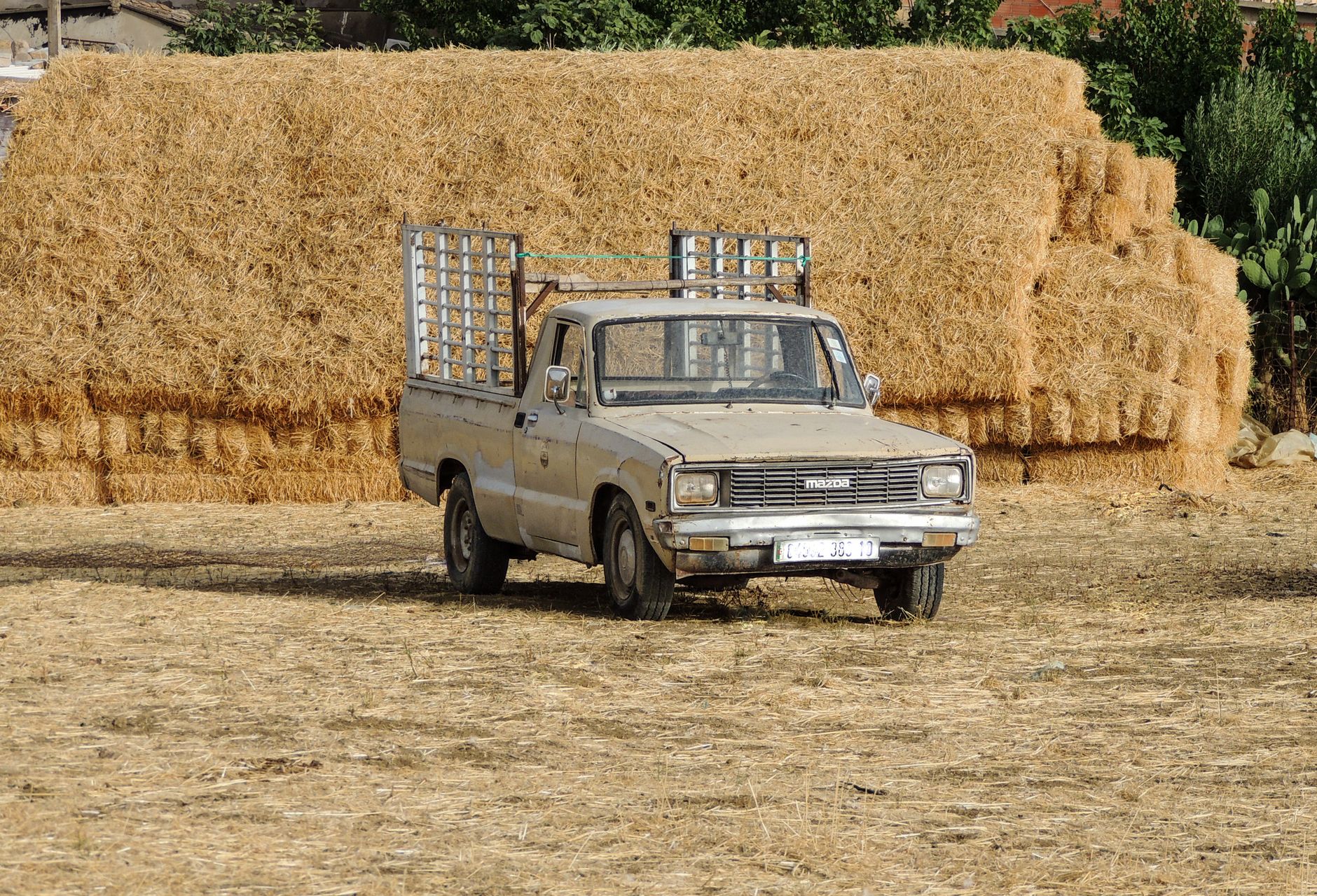
The Truck My Husband Built With His Hands
By July, there were two steel toolboxes bolted into the bed. I could see the bolt heads from the road. Somebody had drilled right through the bed that Roy had spent a whole winter getting straight, and I stood by the mailbox with my hand over my mouth.
By August, there was a magnetic sign on the driver’s door. White letters on a red field: Hollis Fence and Post, and a telephone number. On Roy’s door. On the hunter green he had mixed himself and matched to a coffee can of John Deere paint chips.
It took me a week to work up the courage, and then I texted him. Plainly, nicely. Shane, I’d like to arrange a time to pick up Roy’s truck. Would Thursday work?
He did not answer.
I texted again the next Monday. Then I called, and left a voicemail, and called again. I started keeping count on the back of Roy’s feed-store calendar by the phone, a little tick mark and a date each time I asked and was not answered. Eleven of them by the middle of September. Eleven times a seventy-three-year-old woman asked as sweetly as she knew how for her husband’s truck, and eleven times he did not respond, because he had worked something out about me.
He had worked out that I would not push.
That is what it looks like when someone takes advantage of a kind person. It does not look like a crime. It looks like a silence that gets a little longer every week.
I told Kari about the eleven ticks the week before that Sunday dinner. We were in her kitchen, with the dishes done.
“Mom,” she said, and she sounded tired, “he’s working so hard. You don’t even drive it. Can’t you just let it go for a while? You have the Buick.”
You have the Buick. I heard that sentence three times that month, from Kari, from my sister-in-law Bev at church, and finally from Shane himself with a forkful of pot roast. It was the family’s answer to every question. It meant: you are fine, you are not using it, and you are not going to make us uncomfortable.
I went home from that pot roast and did not turn on a light.
The barn is a quarter mile behind my house. I walked out there after dark with a flashlight, in my church shoes, which was foolish on that gravel, and I stood in the stall where the truck belonged. There was an oil stain on the concrete in the exact shape of the pan, and Roy’s workbench, still two sawhorses and a door. His coveralls hung on a nail. I had not been able to move them. I sat down on an overturned bucket and cried like I was seventeen.
Then I prayed. I do not pray in a fancy way. I told the Lord I was tired of being nice. I told Him I did not want to be a bitter old woman who sued her own daughter’s husband, and I did not want to be a doormat either, and I had run out of ideas for the space in between.
I did not hear a voice. I want to be honest about that. What I got, sitting on that bucket in the dark, was a verse, the way I sometimes do. It came up out of Sunday school forty years back, in my mother’s voice. Let your yes be yes, and your no, no.