The Sack Breakfast in the Bread Box
At ten minutes after five on a Tuesday in late October, I stood at the end of our gravel lane in my tan chore coat with a flashlight and an empty bread box, waiting to see who would come.
I had planned it the night before, sitting alone at the kitchen table with a cup of decaf. Jen was in the hospital in Mankato with a brand new knee. She could not argue with me from a hospital bed, so I figured this was the week to end it.
For two years my wife had packed a paper sack breakfast every morning and walked it out to the old metal bread box nailed to our mailbox post. Five o’clock, rain or snow, before she fed her hens.
That Tuesday I left the box empty and the lid open on purpose, so whoever came would see it plain. No note. No explanation. Just an empty box, which I figured said everything a grown man needed to hear.
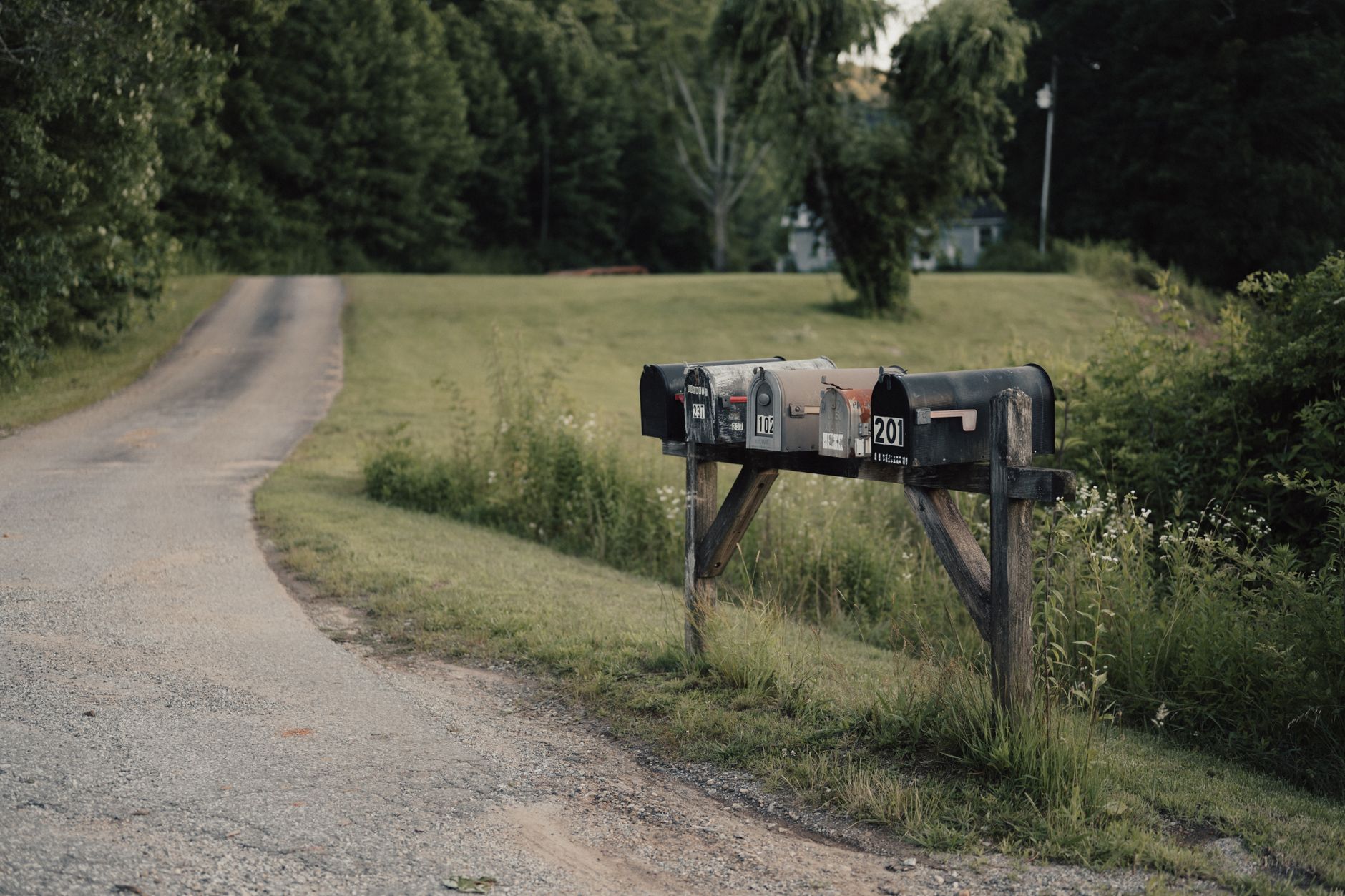
Then a boy walked out of the dark on the gravel road, past the bare bean field across the way, and stopped beside our old tin mailbox.
He was not a hired man. He was a kid, seventeen at the most, thin as a fence lath, with a black knit cap pulled down to his eyebrows. He had on a navy work shirt from the feed mill in town and a worn jean jacket, not much coat for a Minnesota October.
My flashlight caught him square. He put a hand up against the light, then looked down into the bread box, and I watched him understand it.
He did not reach in to make sure. He did not look around for a sack on the ground. He just stood there a second with his hands hanging at his sides, the way a person stands when he has been expecting bad news for a long time and it finally came.
“Sorry, sir,” he said. “Guess it’s the wrong morning. I’ll get going.”
Something in my chest went sideways. I had built this up in my head as a standoff with some lazy grown man, and here was a boy apologizing to me for my own empty box.
“Hang on,” I said. “I’ve got a sandwich in the house. Ham. Won’t take me a minute.”
“No sir,” he said. “That’s your lunch. I’m fine.”
He said it polite and flat, the way a young man says it when he has decided he will not be pitied by anybody. Then he nodded to me, turned, and started walking toward town.
It is two miles from our mailbox to the feed mill on the edge of Lake Crystal. The mill opens at five for the early grain trucks. I stood there with my flashlight on the gravel and watched his back until the dark took it.
I did not know his name. Jen had never told me who took the sack, and in two years I had never once asked. I had figured it was some neighbor’s hired man, too cheap to pack his own lunch.
There was nobody I could call about it. He was not stealing and he was not trespassing. He was a boy walking to work hungry, and I had just made sure of it.