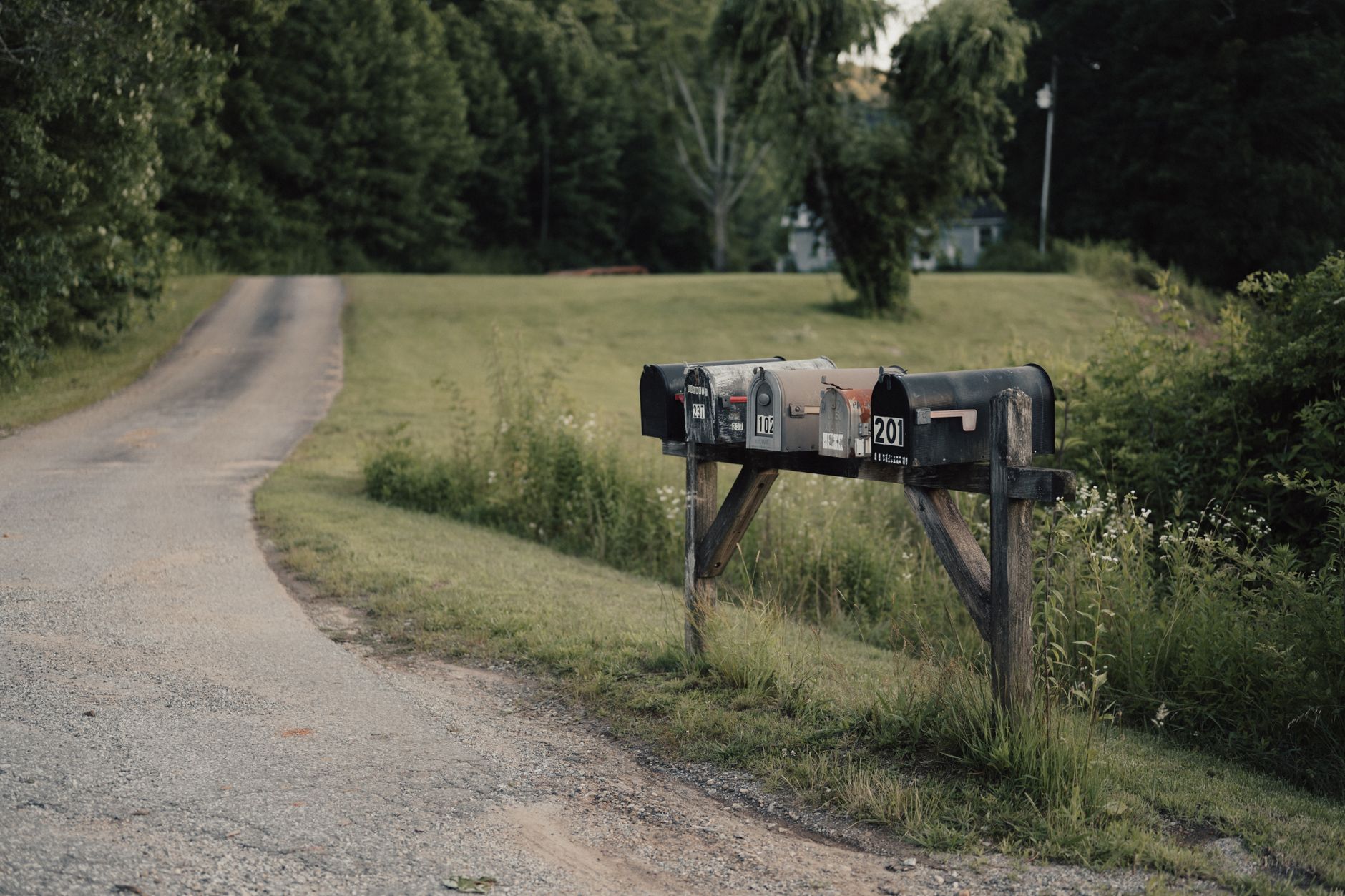
The Sack Breakfast in the Bread Box
I went back up the lane to the house. The porch light was still on behind me, the way Jen always left it. I made coffee and could not drink it, and at quarter after six I drove to the co-op shop without breakfast either.
My dad nailed that bread box to the mailbox post in 1974, the year I was born. Back then a bakery truck ran a route on the county roads out of Mankato, and the driver left your bread in a box at the end of the lane so the dogs could not get it.
The bakery route quit before I was in grade school. Dad died of his heart in the hayfield when I was nine, and the bread box stayed up because nobody had the heart to pull Dad’s nails out.
Mom raised five of us on that farm after he was gone. She sold the cows, rented out the cropland, cleaned houses in town, and sewed for anybody who would pay. We ate a lot of fried mush and we did not complain about it, because there was no one to complain to.
When Jen and I took over the home place in 2001, Mom moved into the little white house on the corner a mile down the road. She has eaten Sunday dinner at our table every week since, and she has never once let a dollar go by without a comment.
Two Octobers ago, Jen started filling the bread box. She never made an announcement. One morning I noticed her coming in from the hens with her cheeks red, and a week later I noticed it was every morning.
“Who’s that for?” I asked her once.
“Somebody who needs it,” Jen said, and went right on frying eggs. She has worked as the church secretary at Trinity Lutheran for nineteen years. She can keep a secret like a bank vault.
I let it go. I figured it was one of the Kvale boys’ hired men, or the fellow who drove the milk truck for the Olson dairy. Somebody with a paycheck who had found a good thing and was riding it.
Mom was the one who would not let it go.
“Your grocery bill is a crime,” she told Jen at Sunday dinner, about a month in. She had seen the receipt on the counter. “Feeding some stranger’s boy every morning like the Salvation Army. Your father would roll over.”
“It’s my money, Arlene,” Jen said, quiet.
“There’s no such thing as your money in a marriage,” Mom said. “Wade, tell her.”
And I did. That is the part I have to own. I said, “Mom’s got a point, Jen. Groceries aren’t cheap.” Then I passed the potatoes.
I said some version of that every Sunday for two years. Mom would bring it up, and I would agree with her, out loud, while my wife sat across from me and said nothing.
I used to tease Jen about her egg money, too. She keeps forty laying hens and sells eggs at four dollars a dozen, mostly to church ladies and a few families in town. She kept a little green egg book in the kitchen drawer with every sale written down.