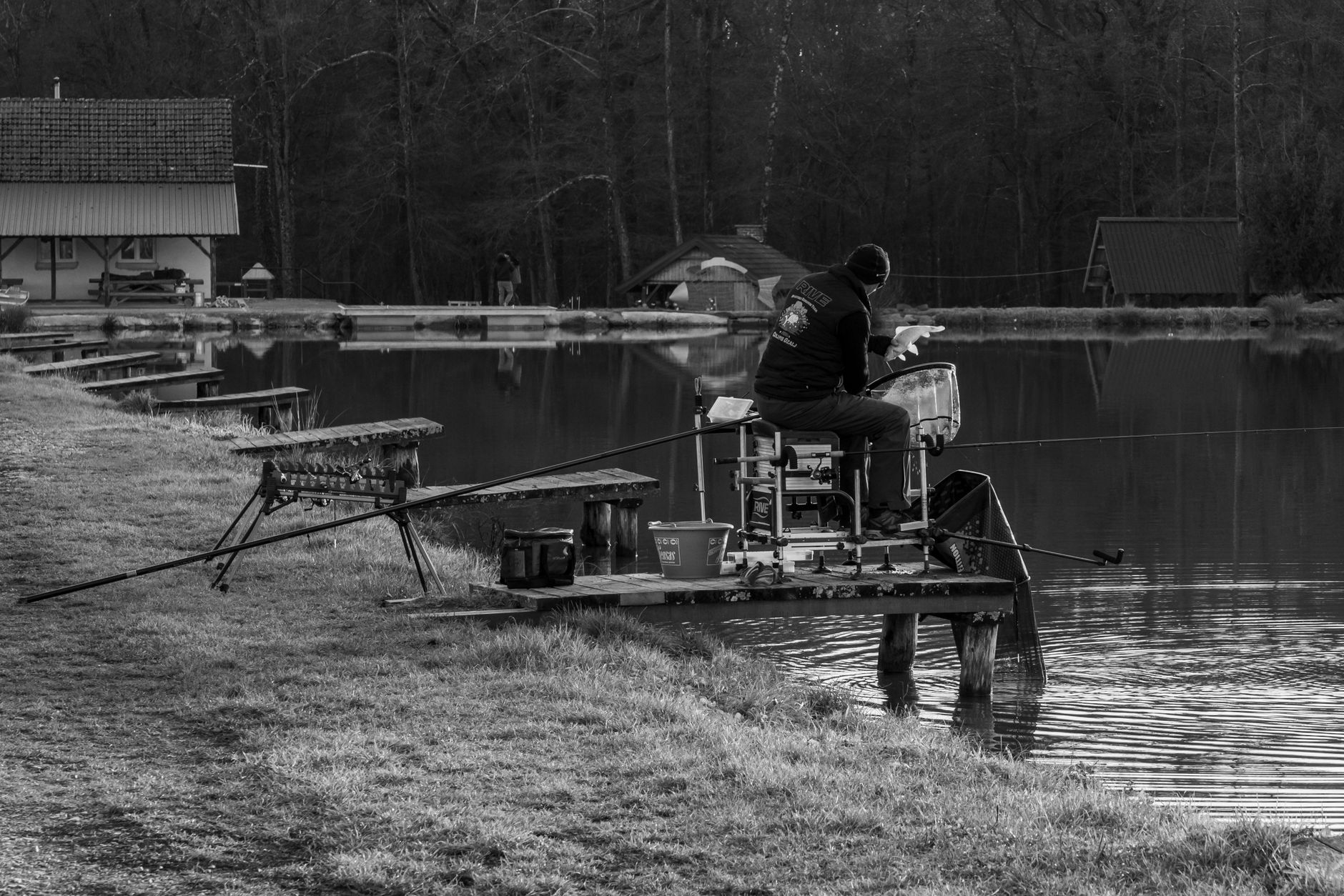
The Pond I Bought Back With My First Pay
Mom told me between the roast and the pie, the way she might mention that the Methodist ladies had moved their bake sale to the second Saturday.
“We sold Grandpa’s ground to Vern Akers,” she said, and reached for the gravy boat. “It closes the end of the month.”
I had come straight to Sunday dinner off a twelve hour night shift at the care center. I still had the smell of hand sanitizer on my wrists and a pen in my pocket that wasn’t mine.
For a second I thought I had heard her wrong. I was tired enough that words came at me slow, like they were crossing a field before they reached me.
“The 80?” I said. “Grandpa’s 80?”
“Well, it’s not Grandpa’s anymore, honey,” Mom said. “It was ours. Now it’s Vern’s. He paid cash, which made it easy.”
My sister Brittany sat across from me with her phone face down beside her plate. She was 26 then, engaged since Christmas, and she had a way of going very still when something was about to be hard.
“Brittany’s getting married at Okoboji,” Mom went on, brighter now, as if this were the good part she had been saving. “A real wedding. A resort right on the lake. The kind of thing people remember.”
I looked at my dad. Mark Lund had farmed beside his father most of his life before he went to the elevator full time. He was buttering a dinner roll he had already buttered.
“Dad,” I said.
He did not look up. “Your sister only gets one wedding, Jessie.”
Grandpa Earl had been gone four months. He went in his sleep in the fall, the week after he walked his beans one last time, and I had not yet stopped reaching for my phone to call him on my drive home.
The 80 lay south of Corning off a gravel road in Adams County, rough ground most of it, a hill pasture with a timbered draw running through the middle and a pond Grandpa built in 1974.
He built it with a borrowed dozer and help from the soil conservation office, and he talked about that pond the way some men talk about a first truck. He stocked it with bluegill and bass and a few catfish that got bigger every year in his stories.
Every summer of my childhood, he walked Brittany and me down through the pasture with two cane poles over his shoulder and a coffee can of worms we had dug behind the machine shed.
He had built a little dock out of salvaged boards, eight feet long, just wide enough for two girls to sit with their feet hanging over. It leaned a little to the left. He said that was on purpose.
“This is for you girls,” he would say, settling into the grass behind us with his back against a fence post. “Both of you. When I’m gone, this is yours.”
He said it so many times that it stopped sounding like a promise and started sounding like weather. You did not question it. It was just how the world was going to go.
He planted cattails along the east bank the summer I was nine. He waded in with his pant legs rolled and pushed the roots into the mud with his thumb, one at a time, while Brittany and I counted.
“Redwings like them,” he told us. “And the little fish hide in them. Everything needs a place to hide sometimes.”