The Homecoming Crown Fifty Years Late
Connie Rasmussen held my tally sheet up to the library window like she was checking a dollar bill for a watermark. The radiator ticked under the sill. Outside, the buses were lined up along the curb with their engines running.
“Count it again,” she said.
“I counted it twice, Connie.” My pencil was still in my hand. I was seventeen years old, and I could feel my heartbeat in my thumb where I was pressing it against the eraser.
Rodney, her boyfriend, was sitting on the corner of the librarian’s desk with his letter jacket open. He was a linebacker. He had the kind of shoulders that made a room smaller. He did not say anything. He just watched me.
It was October of 1975, a Wednesday, and the student council had collected the homecoming ballots in every homeroom that morning. Little slips of mimeograph paper, still smelling like the purple ink. Four names on the senior ballot, and you circled one.
The student council president and the class bookkeeper counted them after school. That was the rule. Connie was the president. I was the bookkeeper, because I was good with numbers and nobody else wanted to keep the class checkbook for the candy bar sale.
So I had made hash marks. Bundles of five, the way my dad tallied bales on the hay wagon. Green ledger paper from a pad I kept in my book bag, a sharp No. 2 pencil, four columns, one for each girl.
Darlene Weiss had 132. Connie had 101. Sue Ellen Kaiser had 41 and Pam Becker had 28. Three hundred and two ballots, and two of them were spoiled because some sophomore boy had written in a name I will not repeat.
Darlene had won by 31 votes.
I remember that I was glad. That is the part I have had to sit with since. For about four seconds, before Connie picked up the sheet, I was glad, because Darlene was the kind of girl nobody ever picked for anything.
She lived out past the county line on a dairy farm, and she rode the bus forty minutes each way. She was up before five milking with her dad and her brothers. Sometimes she fell asleep in study hall with her cheek on her chemistry book, and nobody teased her, because she was so quiet nobody noticed.
And the freshmen and sophomores had voted. All of them. More than the seniors had.
Connie put the sheet down on the table and slid it back to me with two fingers.
“Throw yours away, Marlys,” she said. “Rodney wrote up the official one. Mine is the one going to the office.”
I looked at Rodney. He had a sheet of notebook paper folded in his jacket pocket. I could see the corner of it. I never saw what was written on it, and I did not have to.
“Connie,” I said.
“You know what my house is like,” she said. Her voice did not go up at all. It went down. “You know. Don’t make me ask you.”
I did know. Everybody in town knew. Her father worked at the elevator when he was sober and sat at the Legion when he was not. Her mother had driven off to Des Moines two summers before and had not come back for Christmas.
Rodney stood up off the desk. He did not come toward me. He just stood up, and it was enough.
I folded my tally sheet in half and put it in my book bag. Connie watched me do it. I think she thought I was going to throw it away at home.
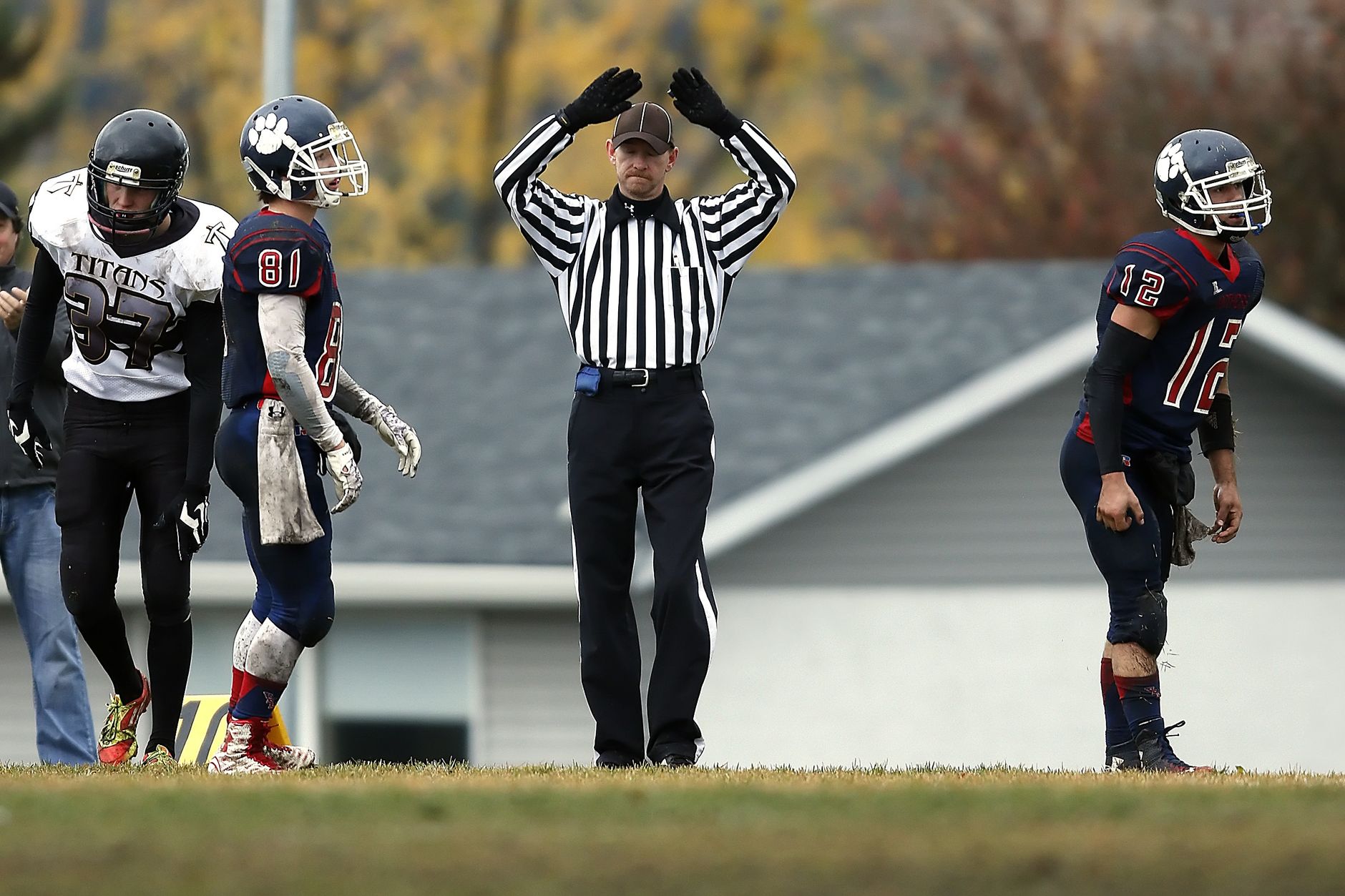
Friday night, under the lights, Connie Rasmussen was crowned homecoming queen at the fifty-yard line. Rodney put the crown on her head himself, which was not the tradition, and the crowd laughed and clapped. I was in the band. I played the clarinet with my eyes on my music so I did not have to look.
Darlene was in the bleachers with her brothers. When they announced Connie’s name, Darlene clapped. She clapped like she meant it. She had not expected to win, so she did not know she had lost anything.
That was the night I started keeping the secret. I did not know it would take fifty years to give it back.