The Homecoming Crown Fifty Years Late
Darlene
The program went out in the mail the second week of October. Two days later, my phone rang. I knew who it was before I looked.
“Marlys? It’s Darlene. Pruitt. Weiss.”
“Hi, Darlene.”
“There must be a mistake in this program,” she said. “It says I’m doing the crowning.”
“It’s not a mistake.”
“Marlys, I don’t even come to these. I haven’t been to one since the twenty-fifth. Vern makes me. I sit in the corner and eat a sandwich and go home.”
“I know. I’d still like you to do it.”
“Why on earth me?”
That was the moment I could have told her on the phone. I had the words. They were right there.
“I’ll tell you at halftime,” I said. “I promise it’s a good reason. Will you come?”
She was quiet for a long time. Then I heard her say something away from the phone, and a man’s voice answered, low.
“Vern says I’m coming,” she said, and I could hear that she was almost laughing. “He says he’s driven me to every one of these I didn’t want to go to, and he’s not stopping now.”
The Social
Friday came cold and clear. The kind of October night in north Iowa when you can smell the corn dust in the air because every combine in the county is running until midnight. The trees along Main Street had gone yellow all at once.
The social was at the Legion. Thirty-four of us came, out of ninety-one in the class. Eleven had passed. Some were too sick to travel. Some, I think, just did not want to see who they used to be.
Connie came.
She walked in at five-fifteen in a good wool coat with her hair done. She signed the guest book and took her name tag and pinned it on herself. She did not look at me. She got a cup of coffee and stood by the window and talked to Judy from the bank about the price of eggs.
Darlene came at five-thirty with Vern. She had on her gray church coat, the same one she wore to every funeral in town, and she held on to Vern’s arm in the doorway like she was about to go into cold water.
Vern was seventy-two. He was a big, soft-spoken man with a white crew cut and hands that shook a little now, from the Parkinson’s he had been fighting for three years. He drove anyway, slow and careful. He said he would quit driving when he couldn’t back the truck to the stock trailer, and he could still back the truck to the stock trailer.
I gave Darlene her name tag. She looked at it like it belonged to somebody else.
“Marlys, I’m so nervous I could be sick,” she whispered.
“You’ll be fine,” I said. I was lying. I was more nervous than she was.
Gene sat beside me and ate three sandwiches and kept one hand flat on my knee under the table the whole time.
The Game
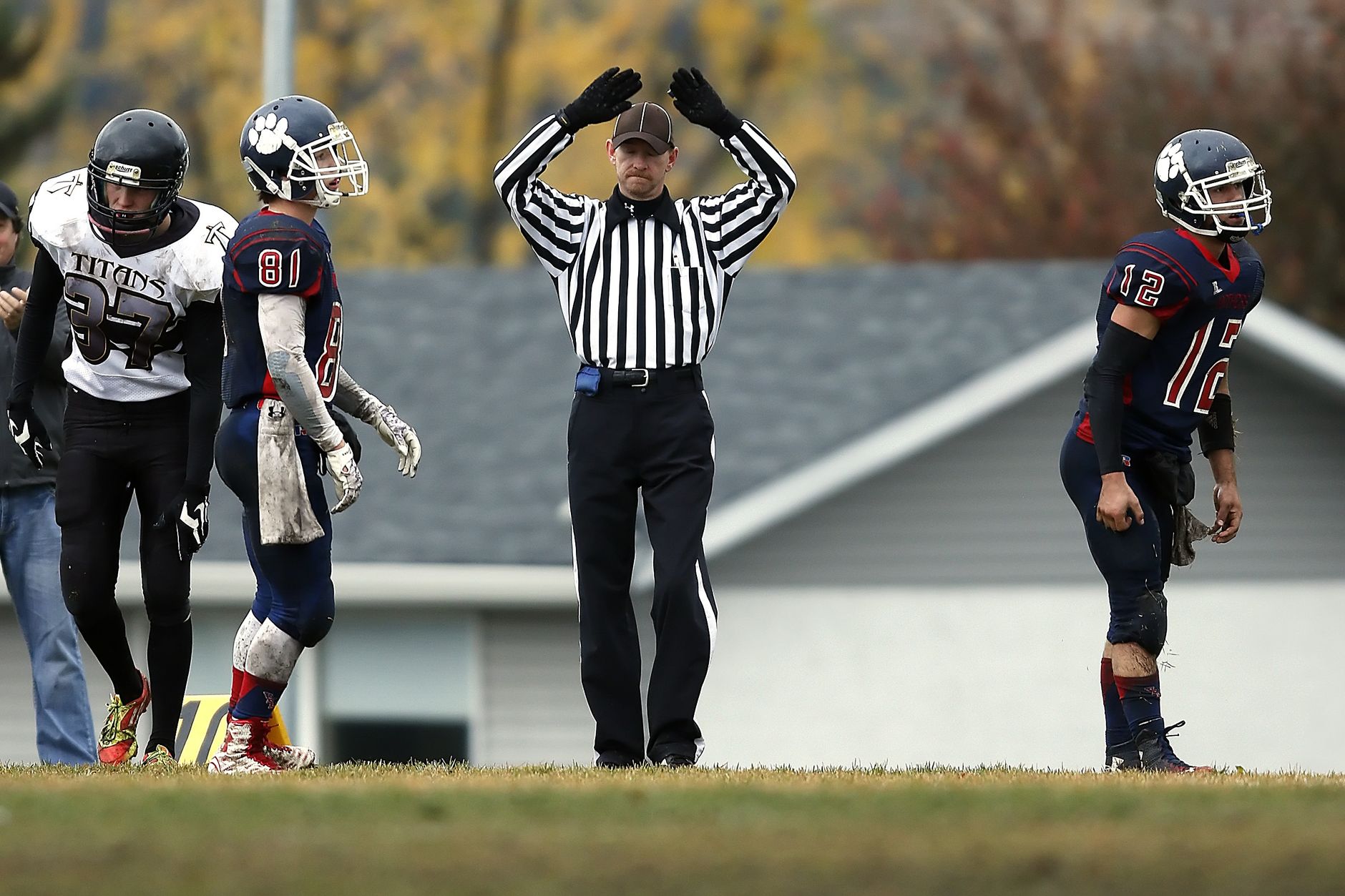
We walked to the field at a quarter to seven. It is three blocks from the Legion. The whole town was walking the same way, families with blankets and seat cushions, little kids in maroon sweatshirts running ahead.
The field smelled like it always had. Popcorn from the concession stand. Wet grass. Somebody’s cigarette behind the bleachers. The lights hummed on their poles, and the moths were going around and around in the white glare.
Our class had the reserved section on the forty-yard line. Mr. Larson had put up a little paper sign with our year on it. Gene and I sat in the second row. Darlene and Vern sat up near the top, by the rail, where she said she could get out easy if she needed to.
Connie sat at the very end of our row, alone.