The Orchard My Grandfather Left Me
The second I turned eighteen, I signed my grandfather’s orchard into an irrevocable trust that not one member of my family could touch. Thank God I did it that night and not the next morning, because when the sun came up, my mother set a bakery box and a manila folder on the kitchen counter and told me, in the gentlest voice she owns, that we needed to talk about “the property.”
I want to back up, though, because you won’t understand why I did what I did unless you understand the house I grew up in, and the man who built the thing they were all trying to take from me.
I am from a town called Sorrel Creek, Nebraska, forty minutes past the interstate exit on a county road that floods every spring and freezes every winter. We have one stoplight, a feed store that still weighs grain on a scale older than my grandfather was, a diner called the Wagon Wheel that serves pie on real plates instead of paper ones, and a football field that fills up on Friday nights even when the rain is sideways. If you know that kind of town, you know the kind of people in it. Everybody’s business is everybody’s business, and everybody remembers whose granddaddy planted what.
My granddaddy planted apple trees.
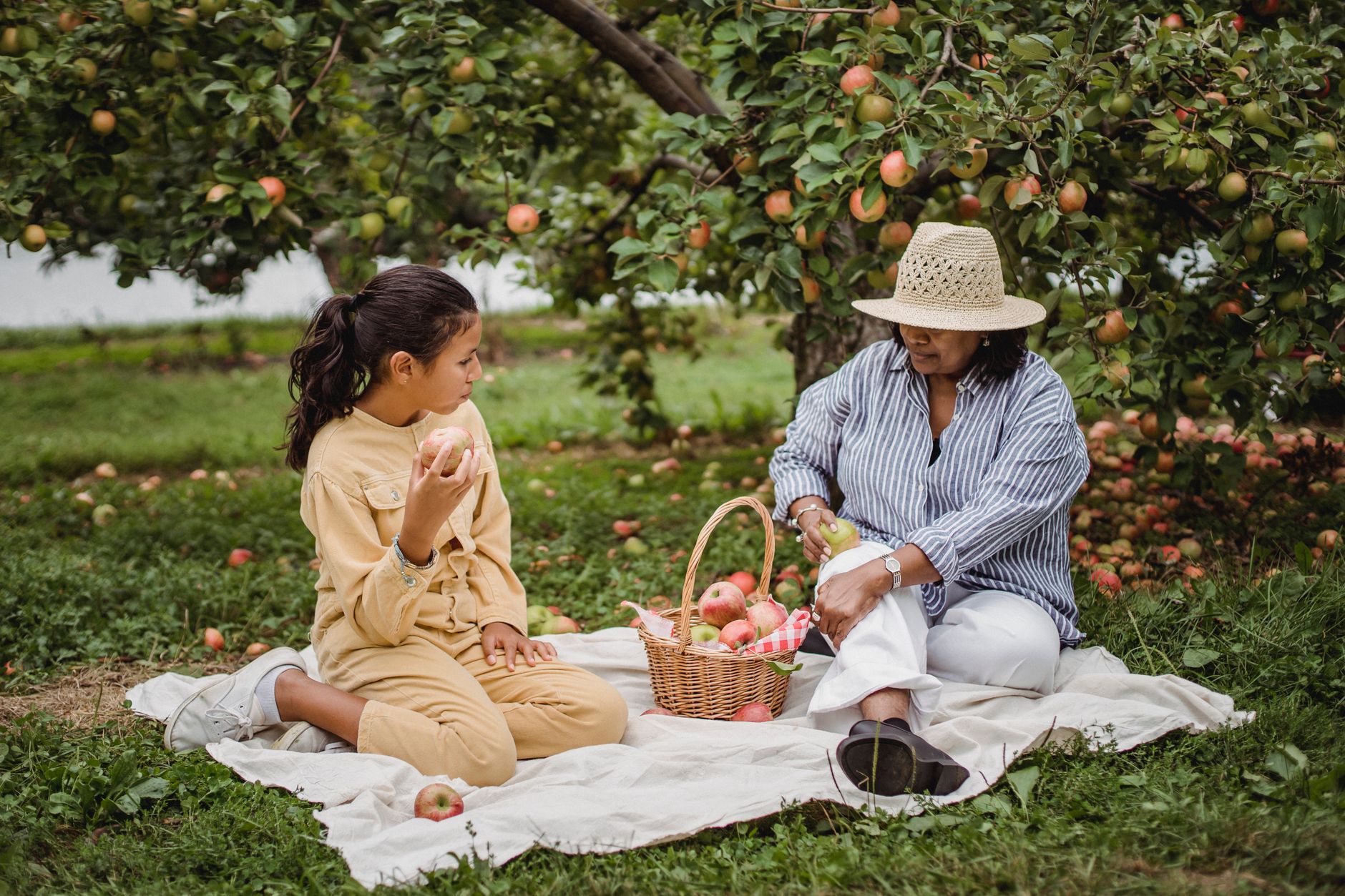
He came home from the Army in his early twenties with a little bit of discharge pay and a lot of stubbornness, bought forty acres on the north edge of town for next to nothing, and spent the next fifty years turning it into an orchard. Ironwood Orchard, the sign said, hand painted, repainted every few years by whoever in the family had the steadiest hand that summer. For most of my childhood, that hand was mine.
My father was my grandfather’s only son, and he died on the county road when I was six years old, hit by a grain truck that lost its brakes on a hill it had no business going down that fast. I don’t remember a lot about him. I remember his laugh more than his face. What I remember clearly, painfully clearly, is my grandfather’s face at the funeral, and the way he took my hand afterward and told me that as long as he was breathing, I would never once wonder whether somebody in this world was in my corner.
He kept that promise for twelve more years.
The whole town turned out for my father’s funeral, the way small towns do, casseroles stacked three deep on every counter in my grandfather’s kitchen for a week afterward, half the football team standing along the back wall of the church in their good shirts because my father had coached them the year before he died. I was too young to understand most of it. What I understood, even at six, was that my grandfather stopped being just a grandfather that week and became something closer to a floor under my feet, the one steady thing in a house that had suddenly lost its center.