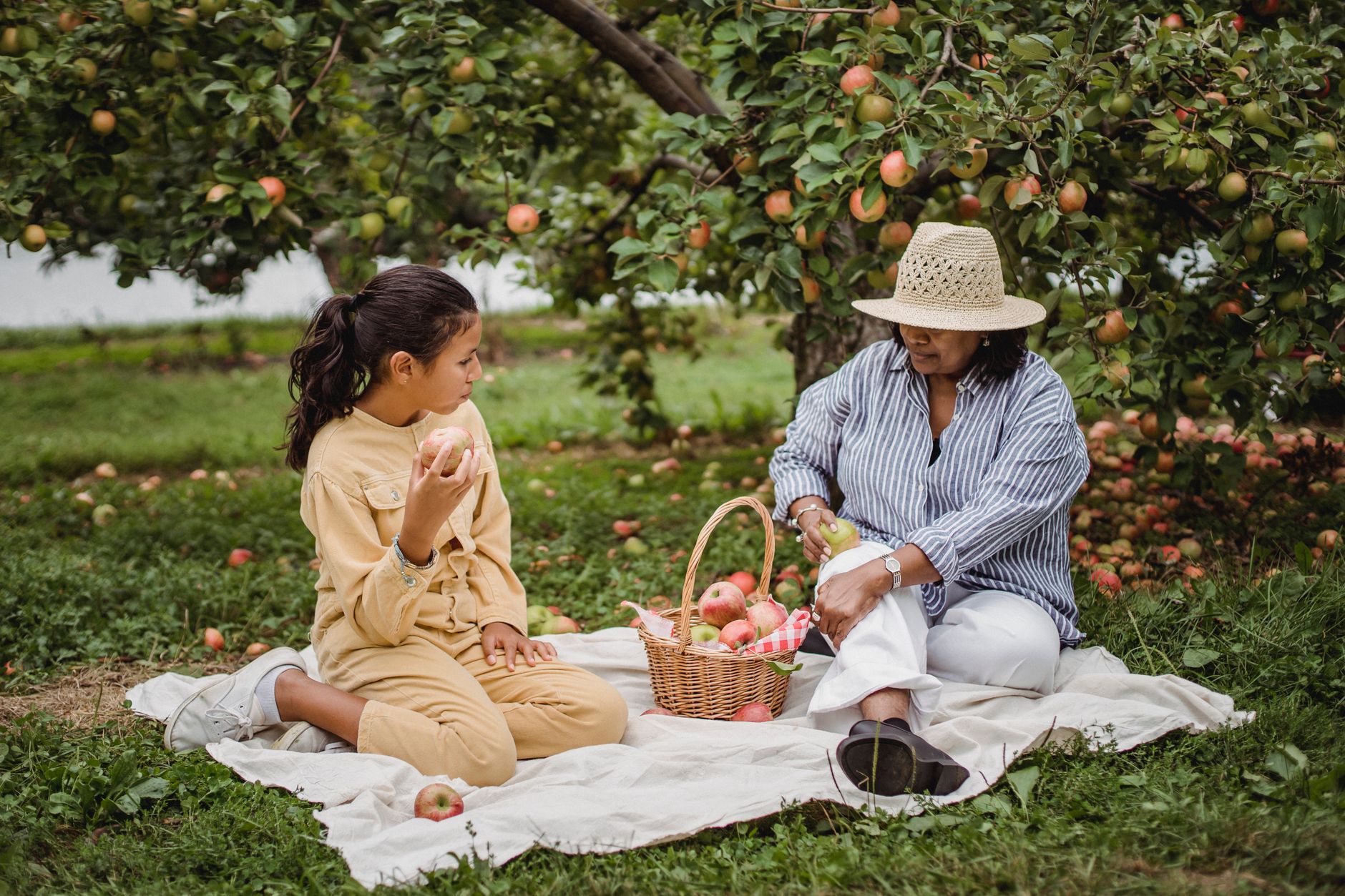
The Orchard My Grandfather Left Me
At the reading of the will, I learned two things. The first was that my grandfather had left the orchard, the roadside stand business, and the modest savings account tied to it, appraised altogether at a little under ninety thousand dollars, entirely to me. Not to my mother. Not to Ivar. To me, held in a trust until my eighteenth birthday, with the county’s oldest law office as trustee in the interim and my mother named only as a limited custodian with no authority to sell, mortgage, or restructure any part of it.
The second thing I learned was the exact moment my mother’s face changed when she heard those terms read out loud. It wasn’t grief. It was arithmetic.
I want to be fair here, because this isn’t a story about a monster who twirled a mustache the whole time. My mother loved my grandfather. She cried at that funeral, and I believe the tears were real. But grief and self interest can live in the same person without ever having to look at each other, and I watched my mother get very good at that particular trick over the next three years.
For a while, nothing happened. I kept working the orchard on weekends with the manager my grandfather’s estate had hired to run day to day operations, a quiet, capable woman who taught me things my grandfather hadn’t gotten to yet. I finished high school with decent grades and a scholarship offer to study agricultural business two hours away, which I intended to take, orchard or no orchard, because I wanted to actually know what I was doing with the thing my grandfather had spent his whole life building.
Ivar’s shop kept sliding. I heard him on the phone with a bank once, through a bedroom wall that was not nearly as thick as he thought it was, using the word “restructure” in a tone that made it sound like a threat he was making against somebody, though I couldn’t tell who. Fennella’s candle and skincare dream had, by then, acquired an actual name, a half built website, and a growing pile of invoices from a packaging company in another state. Neither project had a way to pay for itself. Both of them, I would later understand, had a very specific plan for how they were finally going to.
Two weeks before my eighteenth birthday, my mother sat me down and told me, warmly, that we’d have to move my birthday dinner. Fennella needed the house, she explained, the kitchen and the back porch specifically, to host a small launch gathering for her boutique. Some women from her online following were driving in from two towns over. It would mean so much to her. Surely I understood. We’d celebrate my birthday another night, just the two of us, nothing fancy, she promised, squeezing my hand like that made it a gift instead of a cancellation.