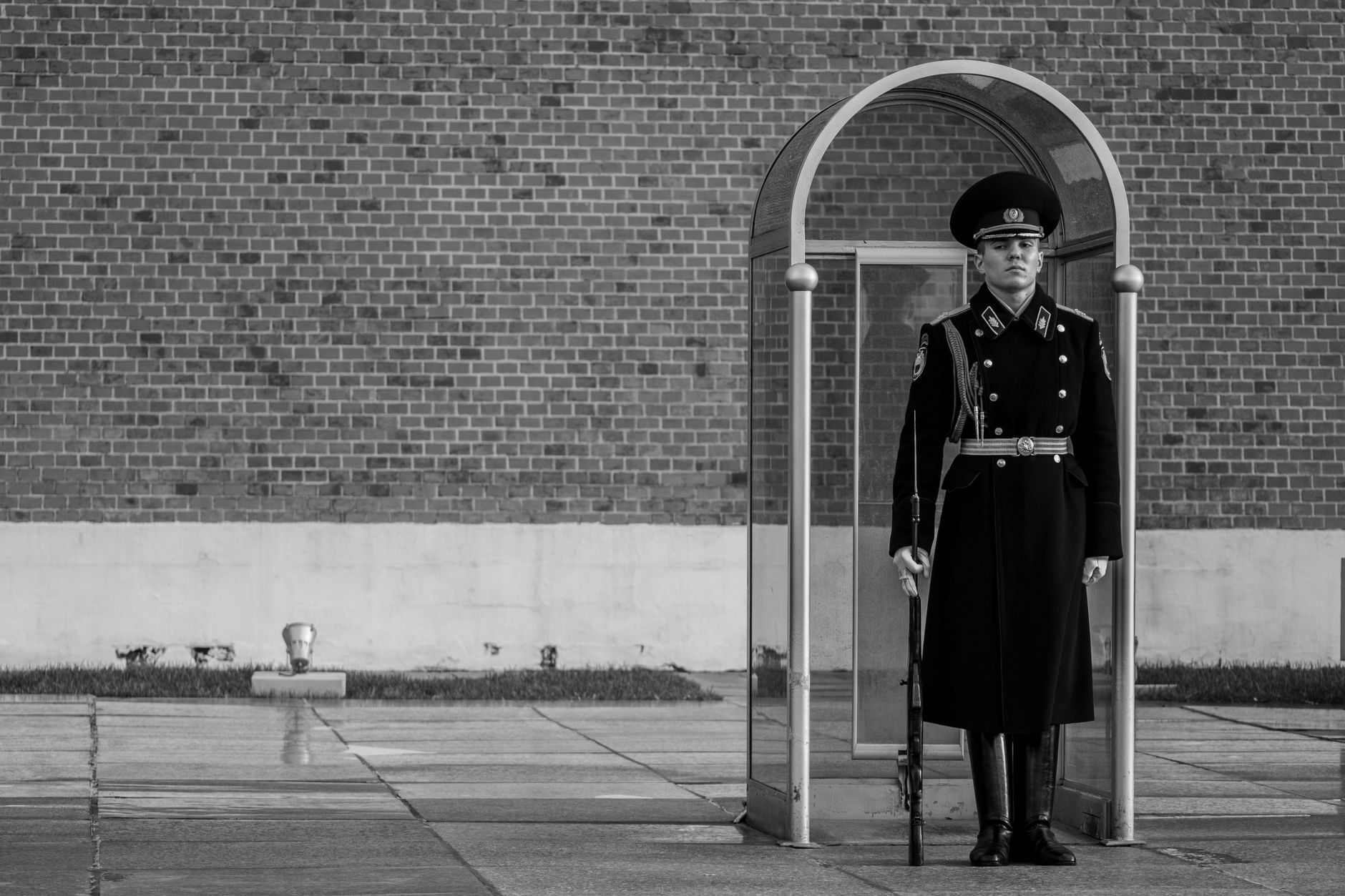
The Corporal Who Locked Out A Colonel
The lock clicked behind me before I had even set my folder down, and through the little wire-mesh window in the door I watched my brother-in-law Roger lean against the gate shack wall with his arms crossed, grinning like he had just won money on a bet he placed thirty years ago.
“Take your time,” he called through the glass, loud enough for the corporal to hear. “She’s not going anywhere.”
I am a colonel in the United States Army. In six hours I was supposed to be standing on a parade field at Fort Calder, Kansas, being handed the colors of an installation of eleven thousand soldiers, family members, and civilian employees. Instead I was sitting on a steel bench in a ten-by-ten holding room off the visitor’s gate, in a windbreaker and jeans, because my car had not fit the picture a twenty-two-year-old corporal had already decided was true.
I want to tell this whole story in order, because the order is the point. By the time you get to the part where Sergeant Major Tom Bates came through that door, you need to understand exactly how long I had been waiting for someone to say what he said.
I grew up the younger of two sisters in a town in central Kansas where the biggest building for thirty miles was the grain elevator and the second biggest was the Baptist church. My sister Bonnie was the pretty one, the one who married young, the one everybody understood. I was the one who announced, at seventeen, that I had signed papers to join the Army, and I watched my mother’s face do something I had never seen it do before. It was not pride. It was closer to confusion, like I had told her I planned to join a circus.
Bonnie married Roger two years later. Roger ran a small home-remodeling business, the kind that does fine in a county like ours, decent work, steady customers, a man who was respected the way men get respected in small towns, by showing up on time and not overcharging anybody. I liked him, honestly, for the first few years. He was easy at holidays, good with a grill, the kind of brother-in-law who remembers your coffee order.
Somewhere around my first deployment, that changed. I do not think Roger ever consciously decided to become the person he became to me. I think it happened the way most ugly habits happen, one small joke at a time, each one landing well enough with whoever was in the room that he kept making a bigger one the next time.
“Our own G.I. Jane,” he said at the Fourth of July the summer I came home from my first tour, and everybody laughed, including me, because I did not yet understand that it was the first stone in a wall he would keep building for twenty-five years.