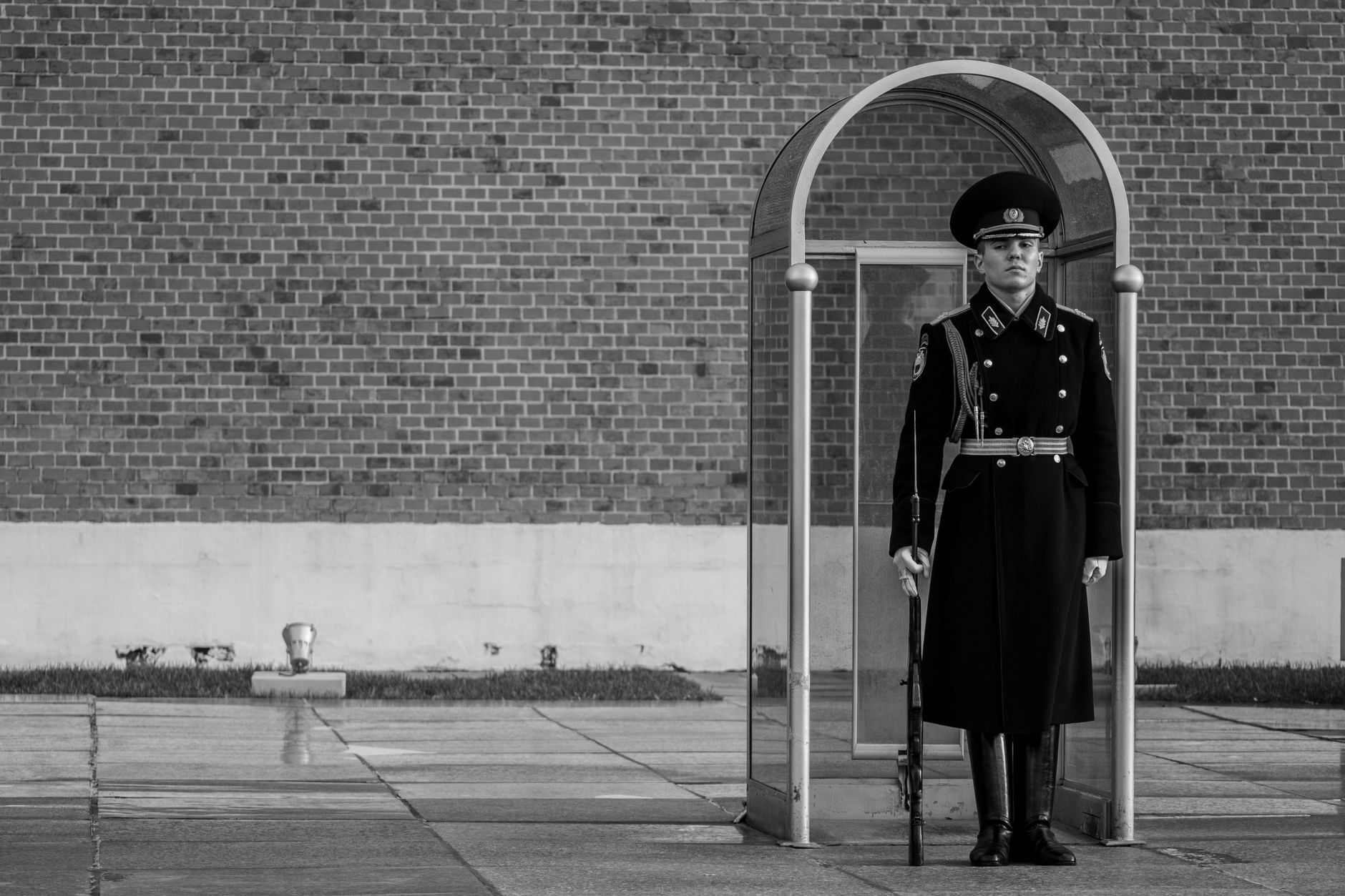
The Corporal Who Locked Out A Colonel
I want to be honest about what I did next, because it would have been easy, and I think understandable, to let that moment be the whole story, to let Roger stand there in his own silence and simply enjoy it. I did not. I have spent twenty-five years being underestimated by people who should have known better, and the one thing I promised myself a long time ago was that I would never become the kind of leader who used a moment like that to humiliate someone smaller than the uniform I wore. So I turned first to Corporal Pike.
“You did your job,” I told him. “I want that in writing in your file, not a reprimand. You had a credential that would not verify, a system migration that had already caused real problems that week, and a civilian making jokes at my expense in a context where that joke could have meant anything. You made the careful call. I would rather have a gate guard who is too careful than one who waves through anyone with a confident voice.”
I meant every word of that, and I still do. I asked Sergeant Major Bates personally to make sure the incident was documented as a training success, not a failure, and three weeks later I signed a letter of commendation for Corporal Ryan Pike myself, the first official document I signed as commander of Fort Calder that did not involve a ceremony or a budget line.
Roger got no letter. He got something I think mattered more to him, though it took him a while to understand it. He got to stand in that hallway and watch, in real time, the exact moment the joke he had been telling for twenty-five years stopped being funny to anyone, including, eventually, himself.
The ceremony the next morning went forward exactly as scheduled. I stood on a parade field under a flat Kansas sky, in dress uniform, while a formation of soldiers I had not yet met stood at attention in rows that stretched further than I could comfortably see. My family sat in the reviewing stand, including Roger, who had arrived early that morning on his own, quiet, in a borrowed blazer, sitting two seats away from where he usually sat at these things, as though some new and uncomfortable self-awareness had made him want a little distance from himself.
Sergeant Major Bates stood beside me as I received the installation colors, the traditional handoff of a flag that symbolizes command passing from one officer to the next, and when it came his turn to speak to the formation, as is customary, about the incoming commander, he told the entire story. Not to embarrass anyone. He did not use Roger’s name, did not need to, and he spoke about Corporal Pike with real respect, holding him up as an example of discipline under uncertainty, a young soldier who had done exactly what he had been trained to do with imperfect information. But he told the formation, in front of eleven thousand soldiers and family members and local officials who had come out for the ceremony, about a colonel who arrived a day early, in civilian clothes, with no escort, specifically so she could see the post the way her soldiers actually lived in it, and who was detained at her own gate because of it, and who spent that time thinking not about her own dignity but about whether the young corporal holding her there had made the right call.