
“You’re seventy-seven, Mom. You’re too old to be out there anyway.” My brother Rod said it standing at her kitchen counter, with his seed cap still on and his truck keys in his hand.
I had come by after school with a pan of scalloped potatoes.
It was the second week of March, gray and wet, and the snow was going off the fields in dirty strips. I set the pan on the stove and nobody looked at me.
Mom was sitting at the table with her hands folded on the oilcloth. Her left wrist still looked stiff and thin from the fall, and she kept it in her lap.
She looked at Rod the way she used to look at us when we tracked mud on her floor.
Get a new story in your inbox every morning.
Facebook doesn’t show you every story we post. Our free newsletter does. Join 2,500+ readers.
“Too old for what,” she said.
“For the garden. For any of it.” Rod put his keys on the counter. “I sold the lot. Ulysses’s buying it. He wants to put up a shop building back there. Twenty-eight thousand dollars.”
The kitchen got so quiet I could hear the clock over the sink. That clock had been ticking in that kitchen since before I was born. I had never heard it so loud.
“You sold it,” Mom said.
“I signed Tuesday. It closes the end of the month.” He said it fast, like a man pulling off a bandage. “It’s done, Mom. It’s for you. That money pays for Hester to come in three mornings a week for two years.”
The lot he meant was the half acre behind Mom’s house, on the edge of town where the sidewalk gives out and the gravel starts.
It was a separate lot with its own tax bill. Dad bought it in 1979 for the price of a used pickup.
For thirty summers, my mother had grown vegetables on that half acre for the church food pantry. Not a few tomatoes for the neighbors. A real garden, laid out with string and stakes, worked every morning from May until the first hard frost.
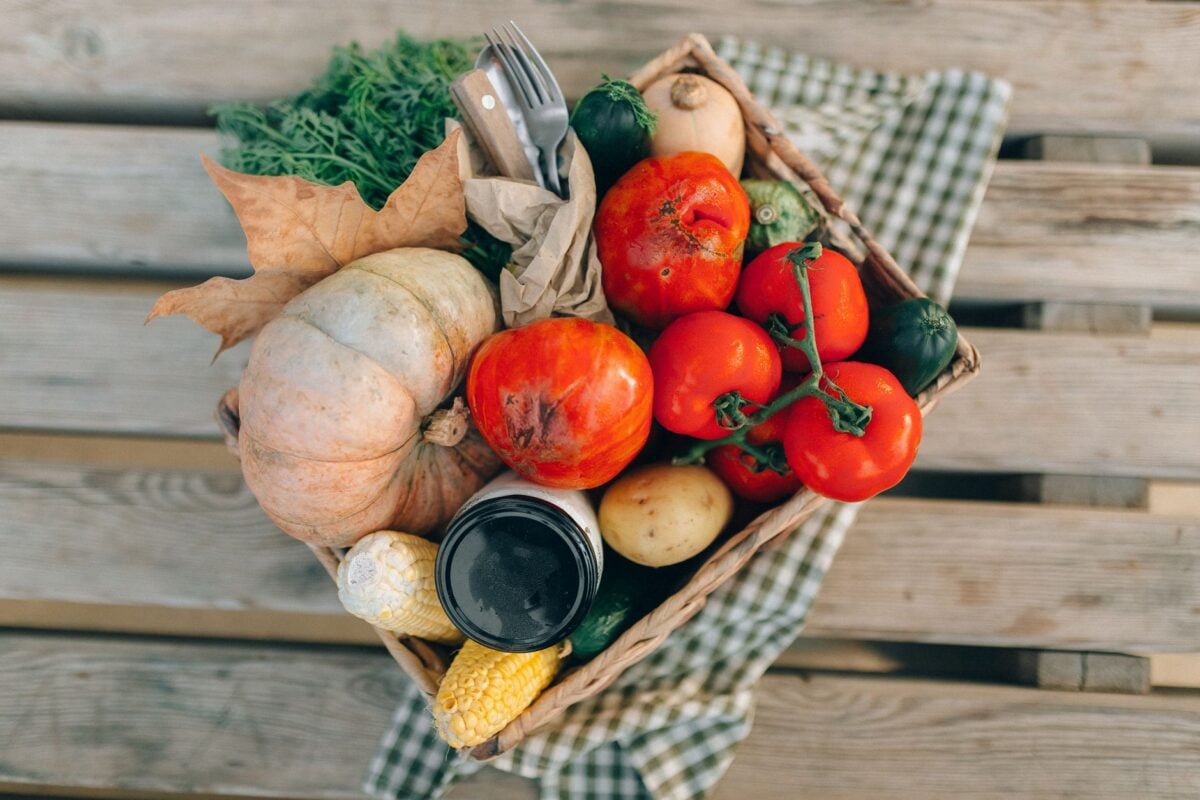
Green beans, sweet corn, tomatoes, cabbage, potatoes, onions, and a long row of zucchini she called the zucchini problem. Every Wednesday evening and every Saturday morning, she drove what she had picked to the church basement.
The pantry had canned goods and boxed macaroni from the food bank truck. What it did not have, most years, was anything fresh. Mom was the fresh. People in that line knew her garden by its taste.
“Rod,” I said.
He held up his hand without looking at me. “Marnie, don’t. I’ve thought about this more than you have. I’m the one who got the call in October.”
That was true. He had gotten the call.
Last October, Mom went out to pull the last of the tomato vines before the freeze. She caught her foot on a stake and went down between the bean rows. Her wrist broke under her. She could not get up.
She lay out there in the cold dirt almost an hour. Gilford, the old man two houses down, finally heard her calling when he came out to get his mail. He found her shaking with her cheek on the ground.
Rod lives in town, six blocks away. He got there before the ambulance did. I was at the school, taking a fourth grader’s temperature, and I did not see my phone for forty minutes.