
The first thing I saw when I turned off the blacktop was dirt. Not the green wall of tomato cages I had driven past every afternoon for six weeks, just a long brown stripe along the gravel.
I slowed the car to a crawl. My mail tubs were empty on the passenger seat, and the dust from my own tires rolled up and over the hood while I tried to understand what I was looking at.
Forty plants had stood there that morning. Forty cages, forty stakes, straw mulch I had hauled in from the Pruitts’ barn one bale at a time. Every bit of it was turned under.
A red rear-tine tiller sat parked beside the fence at the far end of the row. The handles were still pointed at the last plant, like whoever had been running it had simply let go and walked away.
I pulled into the grass and got out. I was still in my sage green work shirt and khaki shorts from the route, and my curly black hair was stuck to my neck from a hundred and twelve miles with the windows down.
Get a new story in your inbox every morning.
Facebook doesn’t show you every story we post. Our free newsletter does. Join 2,500+ readers.
The dirt was soft and fresh. It smelled the way a garden smells the day you break it in March, which is a good smell any other time.
I walked the length of it and found pieces of cage wire bent into the furrows.
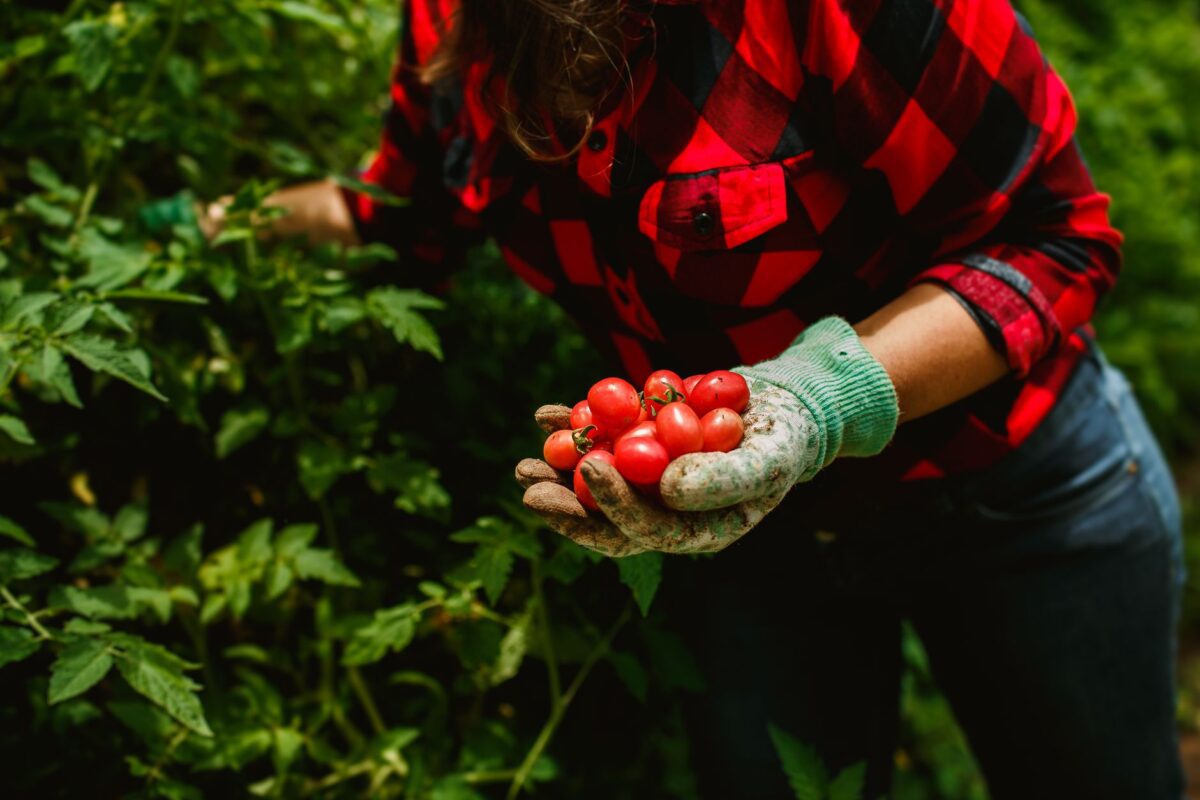
At the very end, tight against the corner post where the tiller could not reach, one plant was left. The tines had caught the edge of it and torn it half out of the ground, but it was whole. It had five green tomatoes on it, hard as golf balls.
I knelt down in that churned dirt and lifted it out with both hands, root ball and all. I did not cry. I just held it, the way you hold a child who has fallen, before you know how bad it is.
I unscrewed the tiller’s gas cap and looked inside. Bone dry. It had run out of gas about four feet from my last plant. That was the only reason anything was left.
I dug a hole deeper than the first one, right there by the post, and set the plant back in it and firmed the dirt around the stem with my fists.
I knew whose tiller it was. Everybody on Pruitt Hollow Road knew whose tiller it was.
It had sat under the carport at my mother-in-law’s house a quarter mile up the road for as long as I had been married into this family.
I sat back on my heels and called her. Doris answered on the second ring, the way she always does, like she had been waiting by the phone.
“Did you do this?” I asked. I kept my voice level. I have been delivering mail to angry people for fourteen years, and I know what a raised voice gets you.
“It looked messy from the road, Reba,” she said. “People drive by. People see that and they think we don’t take care of things.”
“Doris, those were my grandmother’s seeds.”
“Well, they were in a mess,” she said. “I did you a favor.” Then she hung up, and I sat there in the dirt holding a tomato plant and a dead phone.