
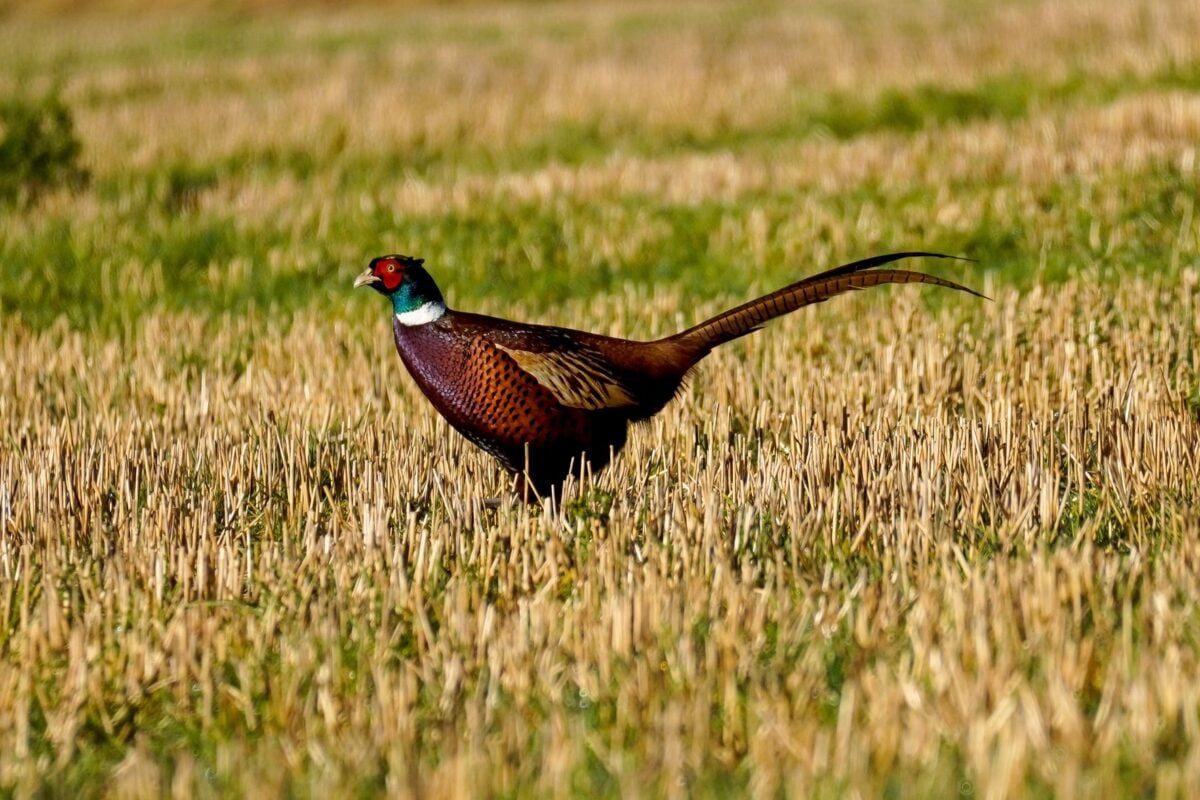
“Sandwiches at noon, Kelsey,” my father-in-law said, without looking up from the shells he was dropping into his vest. “Women scare the birds.”
It was the third Saturday of October, the ninth opener I had spent in Duane Rindahl’s yard, and the ninth time I had heard those exact words in that exact flat voice.
The men were standing around the tailgates by the machine shed, six of them that year, all in blaze orange, breath smoking in the cold. Somebody laughed. Not at me, exactly. Just the easy laugh men make when the order of things is the order they expect.
I nodded and went in the back door of the farmhouse. I did not slam it. I never slammed it. I hung my coat on the hook by the deep freeze and washed my hands at the kitchen sink.
My mother-in-law, Freda, already had the ham out. She handed me a knife and the bread without a word, and we stood shoulder to shoulder at the counter the way we had every October since my wedding.
Get a new story in your inbox every morning.
Facebook doesn’t show you every story we post. Our free newsletter does. Join 2,500+ readers.
Through the window over the sink I could watch the whole thing. The men lined out along the edge of the picked corn at five minutes to ten, guns broken open, waiting on the clock. Shooting opens at ten on opening day in South Dakota, and Duane never cheated it by a minute.
At ten sharp they stepped into the tall grass, a long ragged orange line, and Duke went in ahead of them. Duke was Duane’s black Lab, twelve years old that fall, gray all down his muzzle.
I watched that old dog try. He quartered out to the left and came back slower. He quartered right and came back slower still. By the time the line was halfway down the strip he was walking at Duane’s heel like a man looking for a chair.
The first rooster came up wild at the far end, out of range. The second came up close and two of them shot, and I saw it sail, legs hanging, into the tall grass along the fence. Hit, but not dead.
They looked for it a long time. I could see them through the glass, bent over, kicking at the grass, spreading out. Duke stood in the middle of them, panting, his nose doing nothing at all.
“They lost one,” I said.
Freda looked up from the cheese. She did not go to the window. “They’ll lose more,” she said quietly. “That dog’s done, and Duane won’t say it.”
They lost three wounded birds that day. I counted. At lunch the men ate my sandwiches and my chili at the long table in the porch room, and they talked about the price of beans and the Vikings and a combine somebody’s cousin had rolled. Nobody mentioned the three roosters lying out there in the grass.
I mentioned them, later, to Tanner, on the drive home. My husband drove with one wrist over the wheel, the way he always did, and he was quiet for a mile before he answered.
“I know,” he said. “I hate it worse than anybody. You know Dad. He’ll hunt that dog until it drops.”
That was the ninth opener. I want to tell you about the tenth, but first you need to know a few things about me, and about my dad, and about why I never once argued with Duane Rindahl in his own yard.