
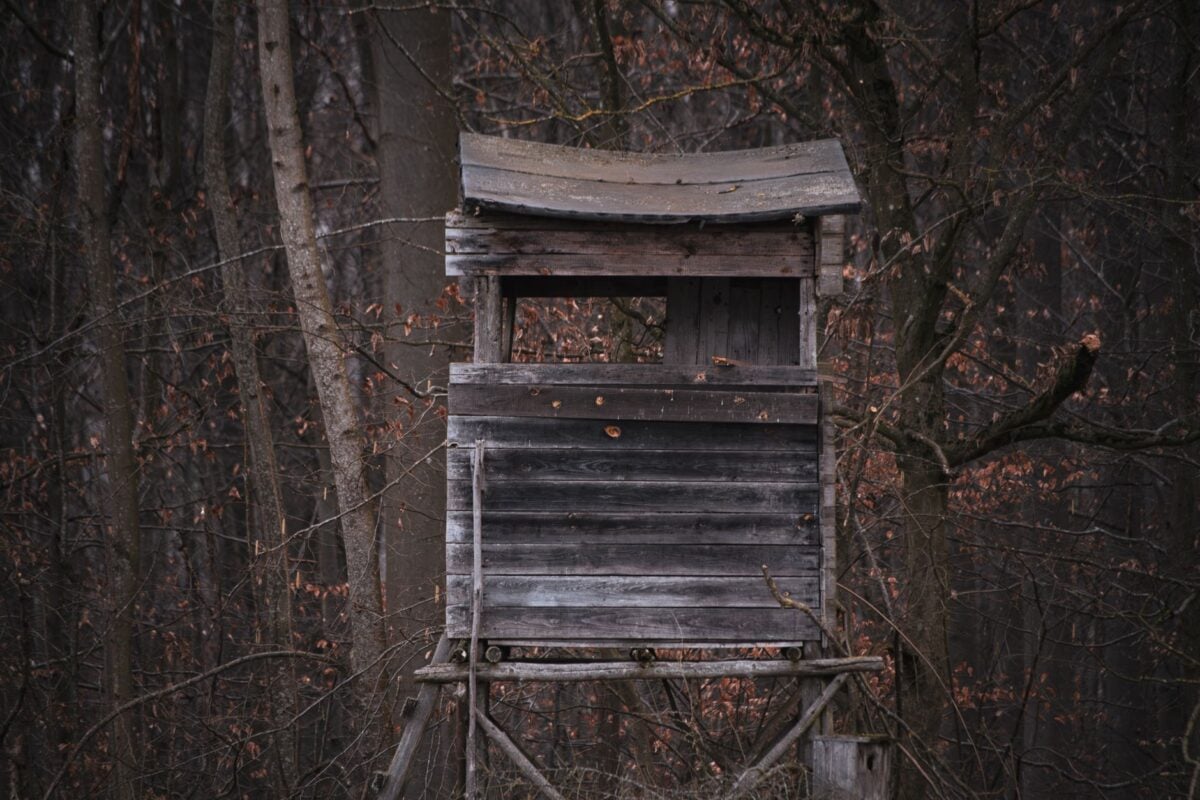
The morning the club trucks rolled past my gate without stopping was the first Saturday in November, and I stood on the porch with the coffee pot still in my hand and counted eleven of them. Eleven pickups, one behind the other, and not a single brake light.
For thirty years those trucks had turned into my yard on work weekend. Somebody always left a sack of ice on the step, and somebody always called out, “Morning, Walt,” and Walt would walk down in his sock feet with the pot and a stack of paper cups.
Now Walt was nine months in the ground at Cedar Gap Cemetery, and the trucks went by at forty miles an hour with every man looking straight ahead, like folks passing a house where somebody has died.
Get a new story in your inbox every morning.
Facebook doesn’t show you every story we post. Our free newsletter does. Join 2,500+ readers.
I told myself they were being respectful.
I told myself that for about the length of a cup of coffee. Then I set the pot on the porch rail and went inside to look at the calendar, because the trucks were the second wrong thing that fall, and I had been ignoring the first one for five weeks.
The check that always came
My name is Delia Maddox. I am sixty-seven years old, and I live on the home-place outside Cedar Gap, Oklahoma, in the foothills of the Kiamichi, where the land stops being prairie and turns to post oak and shortleaf pine and red clay creeks.
The house sits on forty acres of hay meadow. Behind it, running a mile and a half back to Buffalo Creek, are two hundred and forty acres of timber that Walt’s grandfather bought for eleven dollars an acre in 1931.
In the spring of 1995 that timber nearly went to a logging outfit out of Idabel. Hay was cheap, the cattle market had gone sour, and the note at the co-op was heavy.
Walt sat at our kitchen table for three nights with a pencil, and on the third night I said, “What about the deer?”
He looked at me like I had spoken Choctaw. I told him that every November the whole county drove past our gate with a rifle in the window and nowhere to go. If we leased the timber to hunters we would keep every tree and still get paid.
Walt did not say anything. He folded the logger’s offer into thirds and put it in the stove.
That fall a retired mail carrier named Otis Birdsong and six friends from town shook Walt’s hand in our driveway and gave him a check for twenty-four hundred dollars. Over thirty years the club grew to eighteen members and the check grew with it, until the last one was eighty-four hundred dollars, paid every October in a Cedar Gap State Bank envelope that Walt carried up from the mailbox like he was bringing in a calf.
The money did not make us rich. It paid the property taxes, sixteen hundred and forty dollars a year by then, and the fire insurance, and what was left went to the roof and the winter feed bill.
Walt kept the stubs in an old red Folgers can on the closet shelf, held with a rubber band, and on each one he wrote in pencil what the money had gone to. I did not know about that can until I was cleaning out his dresser after the funeral, and I sat on the bedroom floor with it in my lap for most of an afternoon.