
The pill organizer sat on the windowsill over Grandma’s sink, the same blue plastic one I had bought her at the Walmart in Kearney three Christmases ago.
Seven little squares, one for each day of the week. I picked it up to move it out of the way of the dish rack, and something rattled wrong.
I opened Monday. Half a pill. I opened Tuesday. Half a pill. Every square, all the way to Sunday, held a small white half moon with a rough edge where a knife had gone through it. “Grandma,” I said. “What is this?”
She was at the stove with her back to me, stirring the gravy for the roast she insisted on making for her own birthday. She didn’t turn around right away. That was how I knew she had been waiting for somebody to find it.
“Since March,” she said, before I could ask anything else. “It’s fine, Nicole. The doctor gives me more than I need anyway.”
Get a new story in your inbox every morning.
Facebook doesn’t show you every story we post. Our free newsletter does. Join 2,500+ readers.
“That’s your heart pill,” I said, holding it up so she could see the halves.
“I know what it is, honey. I’ve been taking it for eleven years.”
I set the organizer down on the counter very carefully, the way you set down something that might go off. It was a little before noon on a Friday in the middle of October, and I had been in her house for about forty minutes.
I had left Kearney at eight that morning, after taking a personal day from the dental office where I clean teeth four days a week. It is three hours from our place to Grandma’s farm if you don’t stop, and I never stop, because she always has coffee on.
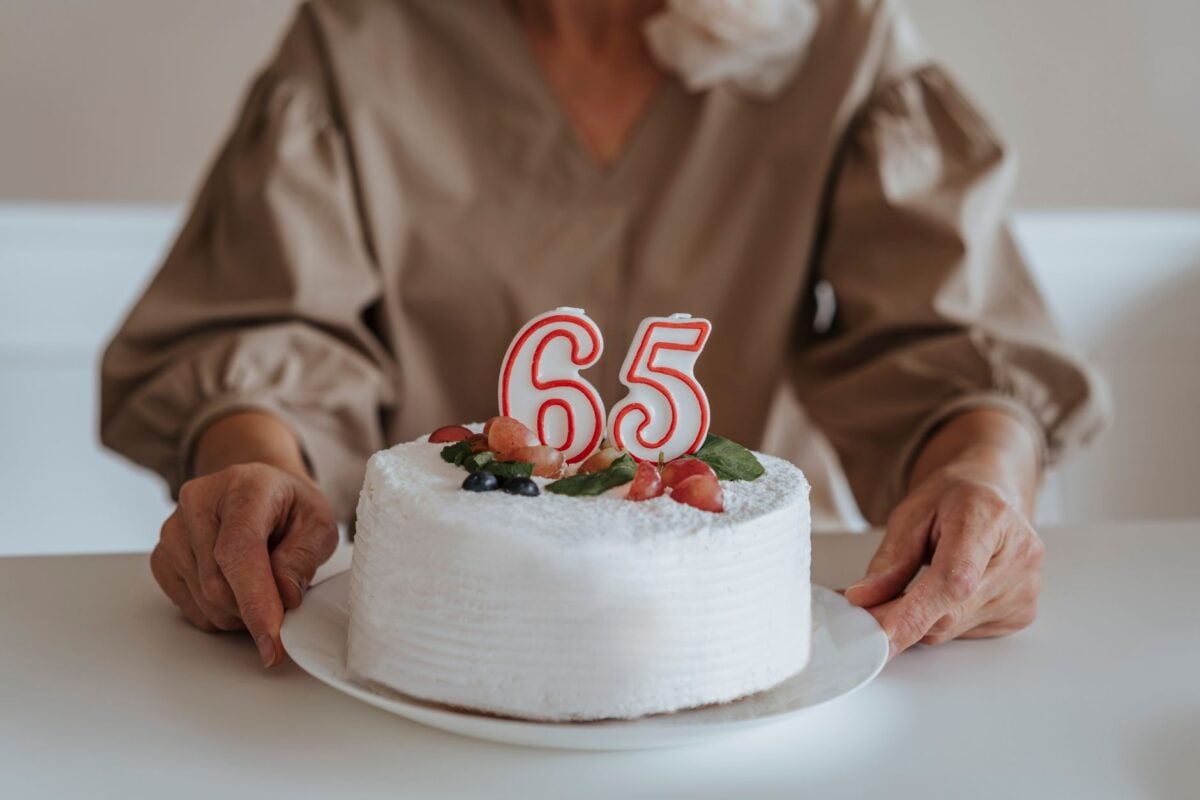
Grandma Opal turned 88 that day. She has lived on the same quarter section in the Sandhills since she married my grandpa in 1957, in a white farmhouse with a windbreak of cedars on the north side and a stock tank you can see from the kitchen window.
Grandpa Harold died six years ago. She has lived alone out there ever since, and she would tell you herself that she likes it that way.
“Grandma,” I said again. “Why are you cutting your pills?”
She finally set the spoon down and turned. She is a small woman now, smaller every time I see her, with white hair she still has set on Fridays when somebody can drive her to town. That morning it was flat on one side from her pillow.
“Because the bottle has to last,” she said, like I was the one who had forgotten something simple. “The heart pill is seventy-one dollars a month after my insurance, and the water pill is another twenty, and then there’s the one for my stomach. Social Security only goes so far. Jeremy told me money was tight for you kids, so I didn’t want to ask anybody.”
“Jeremy told you money was tight.”
“He said you and Mark had a lot going on. He said not to bother you.” She wiped her hands on the dish towel over her shoulder. “He brings me groceries when he can. He’s been good about that. Not so much this year, but he’s had a lot going on too.”
I sat down at her kitchen table because my knees decided for me.
Two years ago, after Grandma’s fall on the ice by the mailbox, my brother and I had a long talk on the phone about her. I was the one who brought up the money. I told him I could send something every month, for her prescriptions and her groceries, so she would never have to choose.