
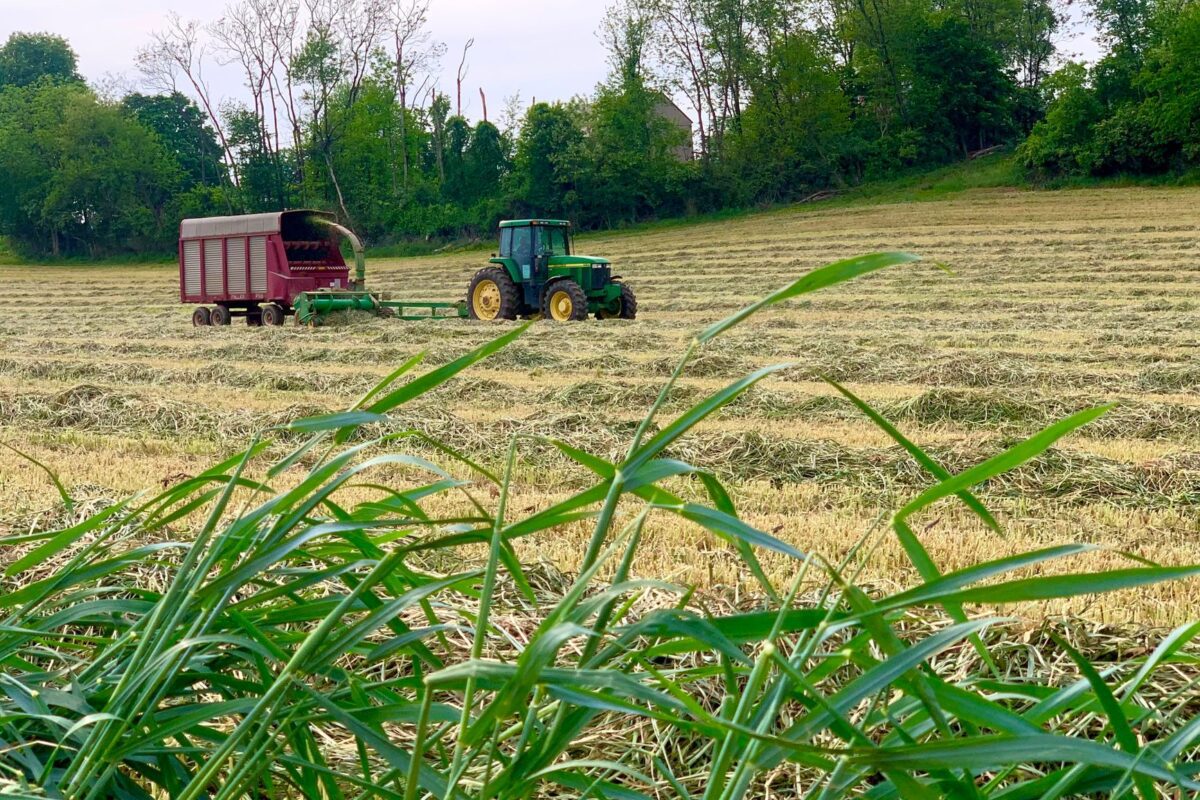
The Sign at the Gate
The sign was new, and it was painted nice, and that was the part that turned my stomach.
Chet had it propped against the hay bales at the end of the lane, white board with black letters, the kind you pay a man in town to do. Hayride, it said. Ten dollars a person. Then under that, smaller, in the same careful hand: Veterans included.
I sat in my car at the gate with the engine running and read those two words three times to be sure I had them right.
Get a new story in your inbox every morning.
Facebook doesn’t show you every story we post. Our free newsletter does. Join 2,500+ readers.
Veterans included. Not welcome. Not honored. Included. Like they were one more head to count and charge.
My father in law started that ride in 1974, the fall he came home for good and decided the thing he wanted to do with the farm his daddy left him was give something back. Pop had been at the Chosin Reservoir in the winter of 1950, Army, Seventh Division, and he came home with two toes gone to the cold and a way of going quiet when the leaves turned.
Every October after, he hitched the wagon and drove the old men from the post out through the color for free. He did it for thirty some years, until the morning his heart quit on him in the barn with a feed bucket still in his hand.
Now his boy Chet ran the place, and his boy Chet had painted a sign.
I did not go in. I backed the car out of the gate and drove the four miles home with my hands tight on the wheel and the heater ticking, and by the time I pulled in next to Dale’s truck I had made up my mind about something, though I could not yet have told you what.
I am Rhonda. I married into this family at twenty two and I am thirty nine now, and I have poured enough church coffee and buried enough of these old men to know what that ride meant to the ones still here.
Dale was at the kitchen table with a carburetor laid out on newspaper. He is Chet’s younger brother, a diesel mechanic who walked off the farm at nineteen and never once looked back with regret. He looked up at my face and set his screwdriver down.
“You saw the sign,” he said.
“I saw it.”
“Chet called me Tuesday. Wanted to know if I thought ten was too much or not enough.” Dale rubbed his eyes with the back of a greasy wrist. “I told him I thought he’d lost his mind.”
I hung my coat on the hook by the door and stood there a minute in the warm kitchen, smelling the solvent and the coffee, thinking about Walt Pruitt riding in the back of Pop’s wagon the last October Pop was alive, holding a red maple leaf up to the light like it was something he had never seen before.