
The Praise That Was Not Hers
The crew came off the oat field at noon last fall with chaff in their collars and hunger in their faces. My mother-in-law met them on the farmhouse steps.
She had her hands spread wide, like she had grown the whole dinner out of her own two palms.
“I have been at this stove since four this morning,” Faye told them. “You boys sit down before it goes cold.”
I was coming across the yard behind her. I had a roaster of beef in my arms, one I had put in my own oven at five and driven over on the seat of the pickup with a towel around it.
The handles were burning through the towel into my wrists. I did not set it down. You do not set down forty pounds of beef in the dirt.
Get a new story in your inbox every morning.
Facebook doesn’t show you every story we post. Our free newsletter does. Join 2,500+ readers.
Nobody looked at me. They looked at Faye, the way a tired crew looks at whoever stands between them and the food.
They thanked her. They pulled out the chairs. They called her a saint, one of them did, a young one who did not know any better.
I set the roaster down on the end of the table and I did not say a word. That is the part I kept turning over all winter.
I set it down, and I smiled, and I went back out to the truck for the potatoes. Twelve pounds of them, mashed with my own cream.
My name is Sheila. I was forty-nine that fall.
I had fed that threshing crew off my garden and my canning for eleven years running. For eleven years the woman at the steps had told them it was all her doing.
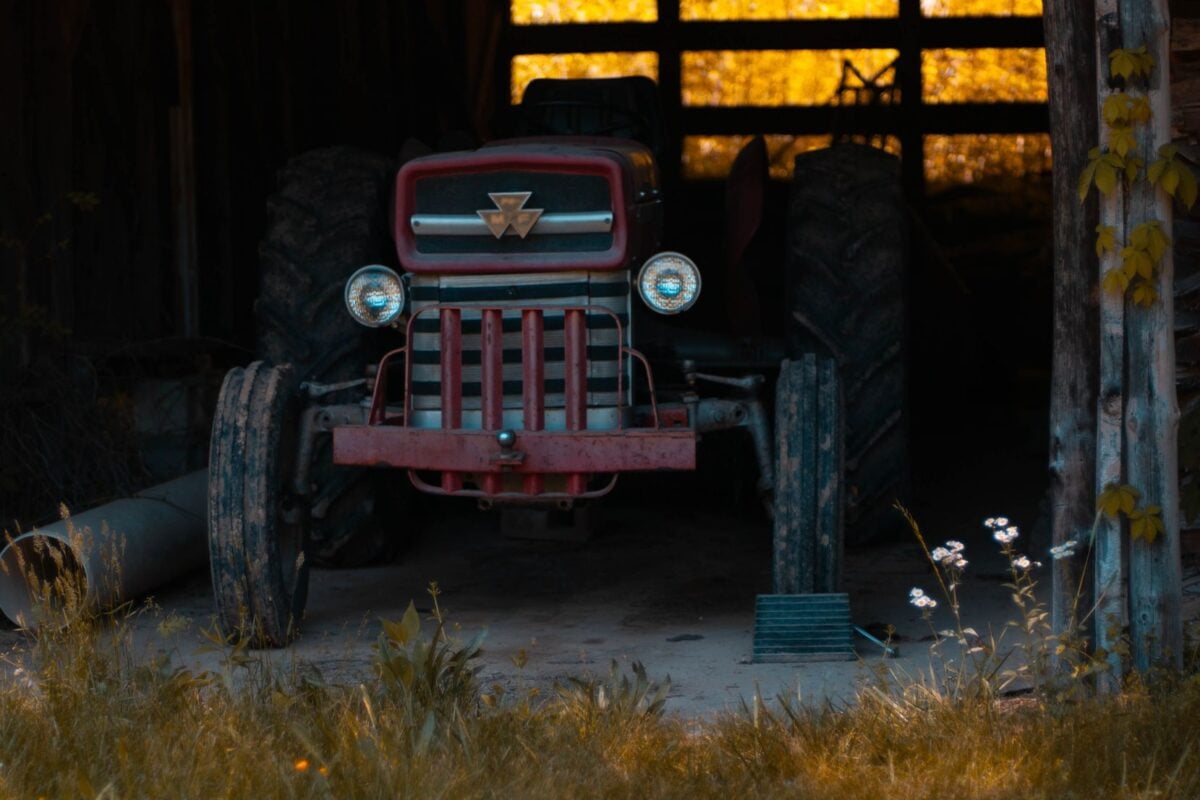
Earl, my father-in-law, started the family bee back before I married into it. He kept his daddy’s old separator under a tarp.
Every October he dragged it out and ran it with a flat belt off the Case tractor. The neighbors came to shock the oats and run the bundle racks like it was nineteen forty again.
The men loved it. They came for the dust and the noise and the sweet old machine.
And they stayed for the noon dinner, and the dinner was mine. The dinner had always been mine.
I knew it. Roy knew it. I think in some corner of her Faye knew it too.
But the crew did not know it, and the crew was the whole world on a threshing day. So the credit went to the one standing on the steps.
That night I washed two hundred forks at her sink. While I washed, she told her sister on the phone how she had near killed herself over that stove.
I dried my hands. I decided, quiet, that eleven years was enough.