The Thursdays I Owed My Mother
At one o’clock I went in.
The Methodist women stood outside Room 14 with their coffee cups and cardigans, and among them Kayla Dunn, a month-old baby on her shoulder. Pastor Ames’s wife touched my sleeve as I passed. “Thank God you came, honey,” she said, and I could not answer her.
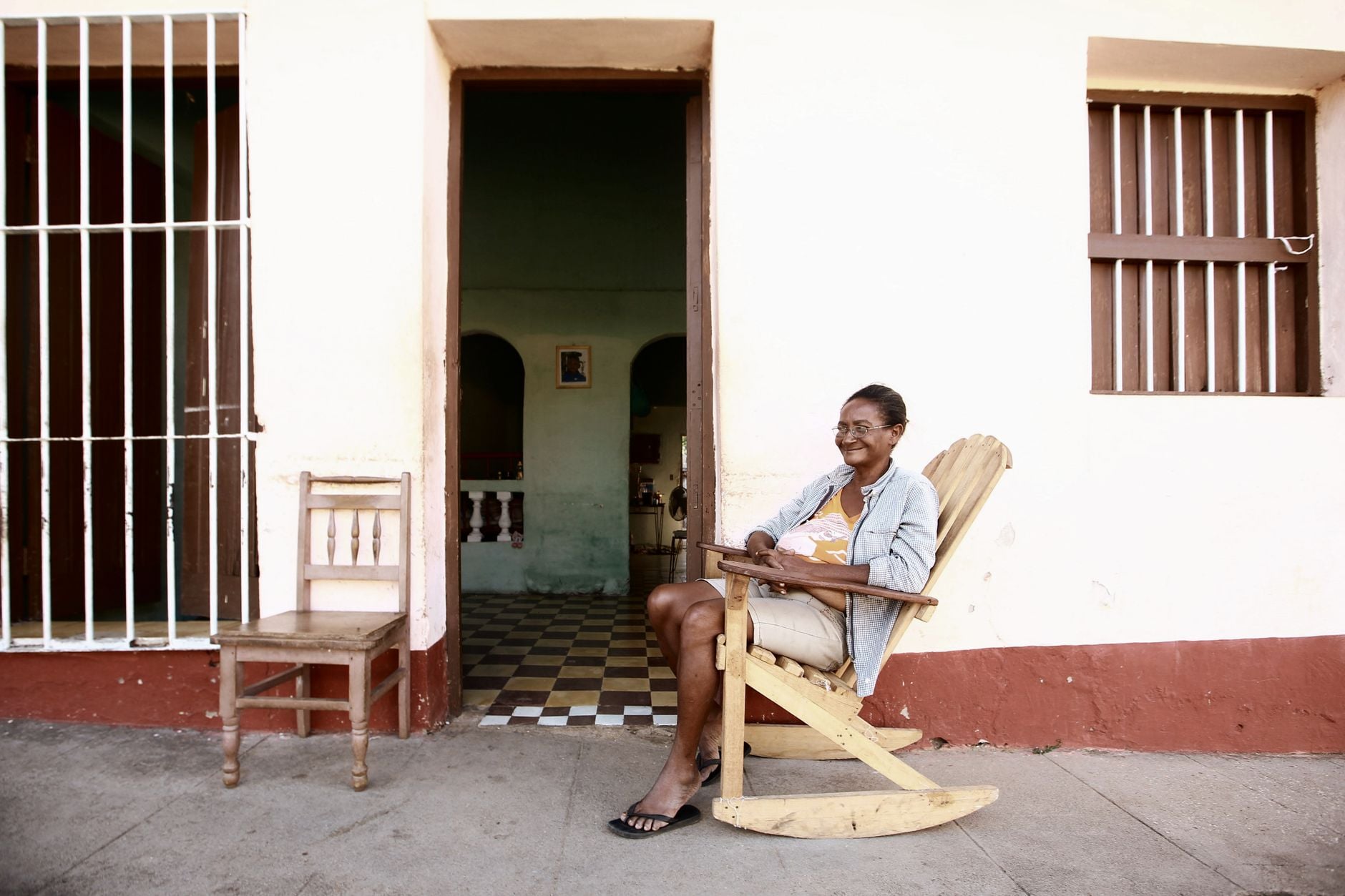
In the doorway I stopped. Her floral bedspread. Dad in his Navy picture on the dresser. And in front of the window, in the oak rocker, my mother, with the Dresden Plate quilt across the back of the chair, the faded blue of his work shirts. She was rocking. It creaked the way it always had, and it went through me like a nail.
Wanda stood by the dresser. She looked at me the way you look at someone you have not decided about yet.
“Mom,” I said.
“Gail,” said my mother.
The circle women found reasons to take their cups into the hall.
I told her everything, standing in that doorway, because my feet would not go farther. January, the missed payments, the eleven thousand on the card. That I took the can thinking I’d put it back, and that the sale money was in the bank the same afternoon.
I held out the envelope. “I’m sorry. I’ve got two thousand here. It’s what’s left. I’ll pay the rest back, a little each month.”
My mother looked at me a long time. Her hands were folded on the arms of Dad’s chair. She did not rock.
Then she said, very quietly, “You told your sister I wouldn’t know the difference.”
My face went. “I didn’t mean it.”
“You did,” said my mother. “You said it plain, and I appreciate plain. It tells me where to stand.”
She rocked once.
“The table money is gone, and I don’t want it. The can is another matter. Now. You’re going to pay back the sixty-two hundred, and you’re going to pay it to Wanda, because it is her roof you spent. Every month. In person. And on Thursdays you will come sit with me for an hour, because I have a rocker and no one to rock beside.”
I had been braced for tears, or for her to say she had no daughter named Gail. I was not braced for a schedule.
“That’s all?” I whispered.
“That is not all,” said my mother. “That is the start.” She pointed with her chin. “You can sit on the bed. The chair is mine.”
Wanda picked up an empty box and said she’d break it down at the truck. At the door she stopped and, without turning around, said, “Eat something, Gail. You look like a wet sheet.” It was one inch of kindness, and I understand now what it cost her to leave it.
I sat on the bed. I stayed three hours.