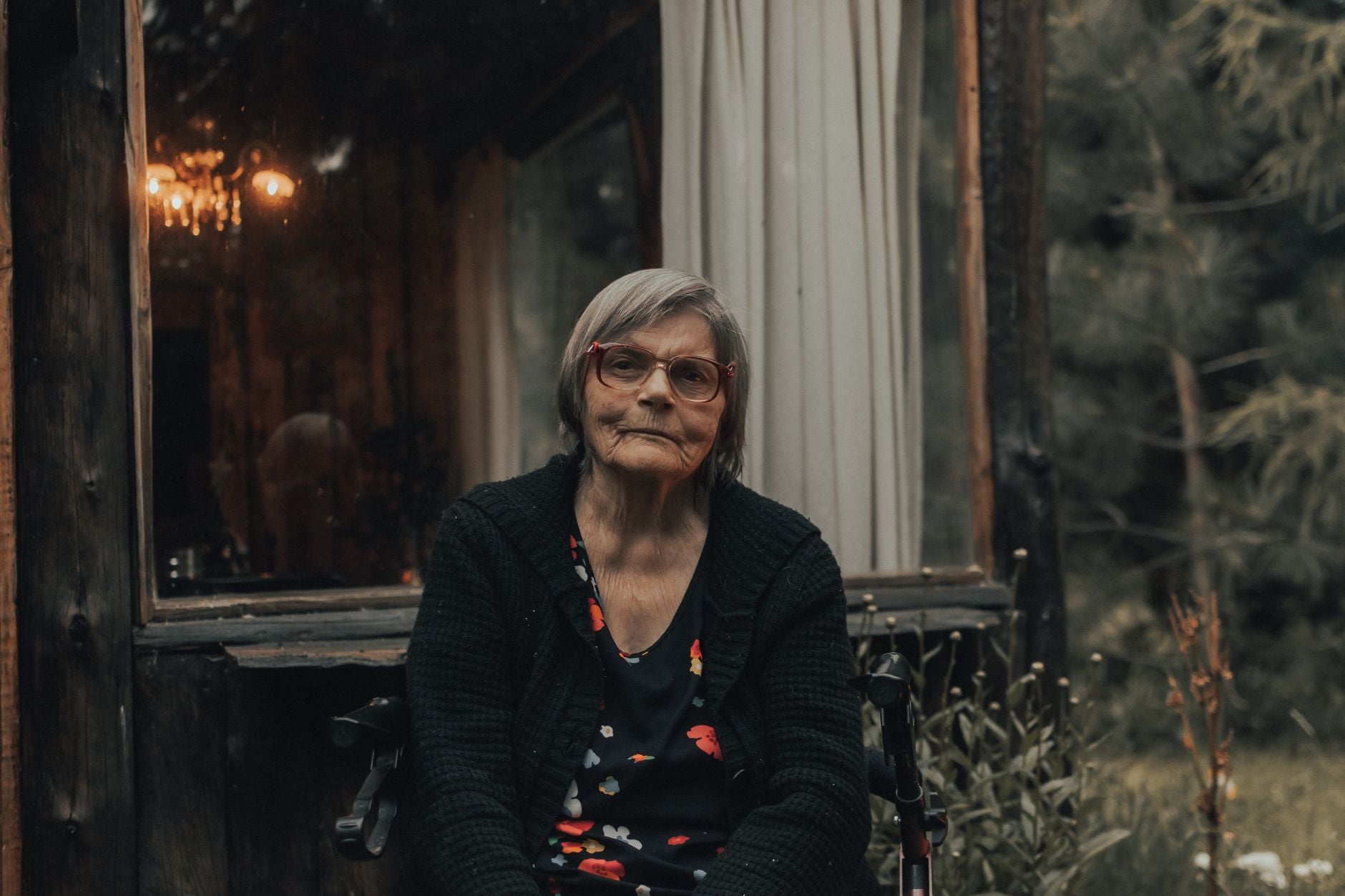
The Porch by the Bus Stop
Why I Didn’t Fight
There was no paper. I had a receipt for a cashier’s check with an index card that said “for the kids’ house” and “love.”
I am not a lawyer, but I carried mail for twenty-six years and read enough return addresses from law offices to know what that card would look like to a judge.
And more than that, I knew what it would cost. You do not take your dead daughter’s husband to court and still get to sit at his kitchen table on Christmas morning.
He had custody of my grandchildren, and he always would. I had nothing but his good will.
So I did what my mother would have done. I said all right. I said thank you for letting me be here. And I started looking for a place.
Third Street
I found it in the classifieds of the Clinton paper, a little one-bedroom house on Third Street, pale yellow with white trim and a front porch with four steps up.
Six hundred and fifty a month. The landlord was an old farmer named Walt who had grown up in it.
The house itself was nothing special. The kitchen floor sloped toward the back door, and the bathroom faucet sang a high note when you turned it on hot.
But I did not rent it for the house. I rented it for what was on the corner.
There was a school bus stop on that corner. I knew it because I had driven past it a hundred times.
And I knew, because Lily had told me once, that the bus that carried my grandkids home from Lincoln Elementary ran right down Third Street every afternoon.
I asked Walt if I could see the place on a school day at twenty to four. He looked at me funny but said yes.
I stood on that porch while the yellow bus stopped at the corner and let off two little boys I did not know, and I signed the lease that afternoon.
Then I went back to Nick’s house and did a hard thing.
I sat him down at the same kitchen table, after the kids were asleep, and I asked him a question I had practiced in the car.
“Who’s going to watch them after school?”
He had not thought of it. I could see it on his face. Ashley worked until five-thirty at the dental office.
Nick worked until four-thirty at the earliest and usually later, forty minutes away in Decatur. The after-school program at the elementary was full with a waiting list.
“The bus goes right past my new place,” I said. “There’s a stop on the corner. If you sign the form at the school office, they can get off there. I’ll be on the porch every day. You pick them up on your way home.”
He looked at me for a long moment. I think he was waiting for me to say something about the money. I did not.
I folded my hands on the table and waited. Finally he nodded. “That’d help,” he said. “That’d help a lot, Roxanne. Thank you.”
He signed the alternate stop form the next week. I know, because the district sent me a copy too, with a note that said kindergarten and first-grade students would only be released at the stop if an approved adult was visible to the driver. Gracie was in kindergarten that fall.
So I made sure I was visible. Every single school day, rain or shine, I was at the top of those porch steps by 3:35.
The driver was a heavyset woman named Pam who waved at me the first day and every day after.