The Spring I Planted Daddy’s Ground
I’d lie in bed and do the math on what twenty-two years of marriage was worth against two hundred and ten thousand dollars, and I never could make it come out.
We planted on a Tuesday, the second week of May. The soil was warm enough, and Evan had been out with a thermometer in the dirt every morning for a week to make sure.
I took two days of annual leave, and my substitute carrier ran my route.
I was at the Meyers’ shed by five thirty. It was still mostly dark, with just a gray line coming up over the shelterbelts to the east.
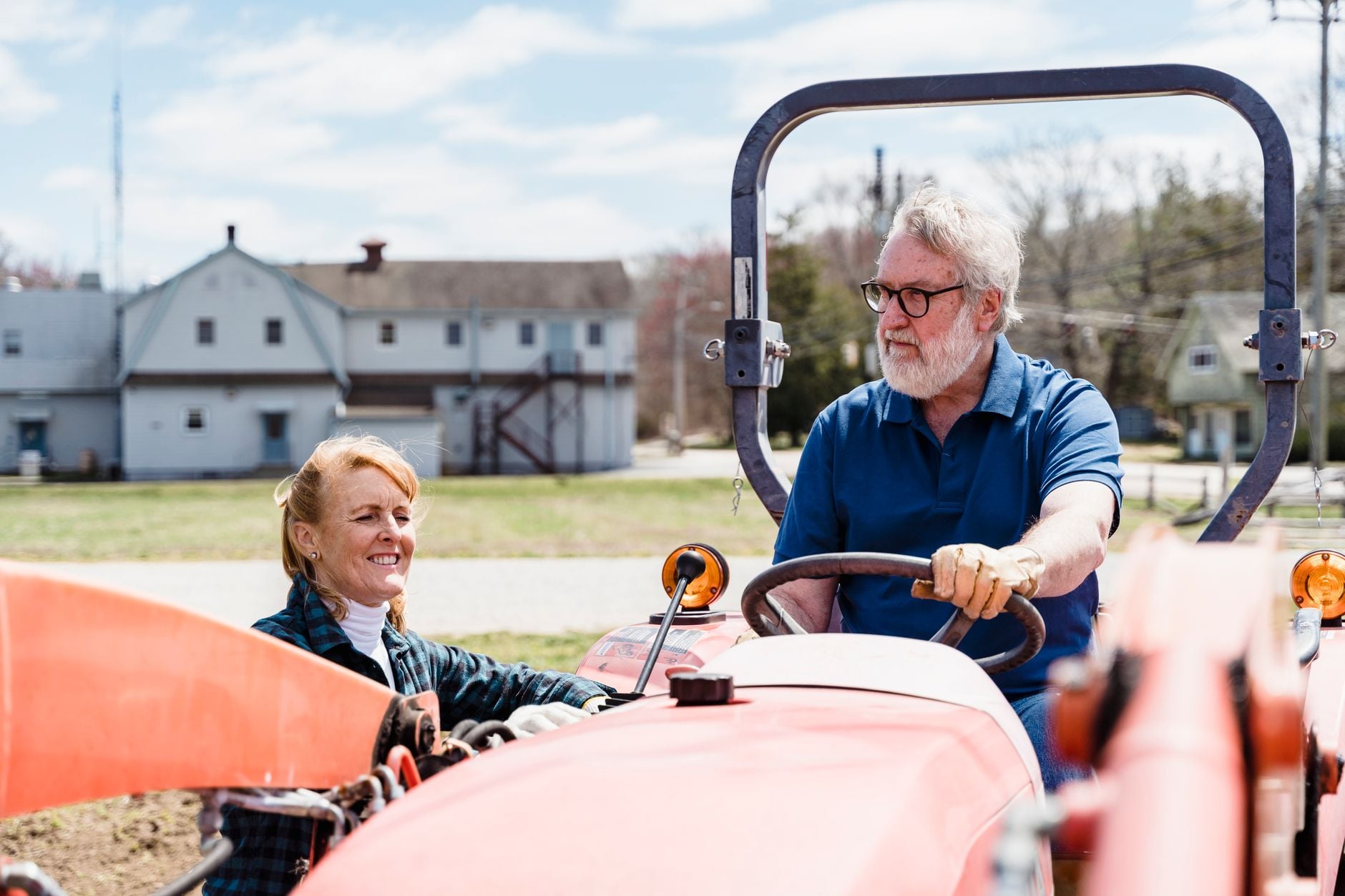
Evan had the shop lights on, and Daddy’s old red 1086 was sitting there with the twelve-row Early Riser hitched up behind it.
I hadn’t been that close to the tractor since the funeral.
The paint on the hood had faded to a kind of brick color in the sun, and there was a patch of duct tape on the seat that Daddy put there himself one fall when the vinyl split.
I put my hand on the tire. It was cold and wet with dew. I stood there longer than I needed to.
“She’s ready,” Evan said behind me. “I ran her yesterday for an hour. Monitor works, all twelve rows are dropping.”
He was lanky like his dad, all elbows and long legs, and he had on a faded seed cap pulled low. In the bad shop light I didn’t look at it close.
I just saw a boy who had gotten up at four in the morning to help a woman plant her father’s ground.
“You want to drive her out?” he asked.
“Me?”
“It’s your ground,” he said. “I figured you’d want to take her down the road. I’ll follow in the pickup with the seed.”
So I climbed up on Daddy’s tractor. My braid caught on the door frame and I had to pull it loose.
I set the throttle the way he taught me when I was fifteen, and the old engine caught and settled into that deep, steady sound I hadn’t heard in three years.
The quickest way to the eighty from the Meyers’ place runs right along the highway at the edge of town, past the café where the old farmers have coffee every morning from six until the sun gets high enough to work.
I came by there at five minutes to six, doing about fifteen miles an hour with the planter folded up behind me, and every head in that front window turned.
I saw cups stop halfway to mouths. I saw somebody stand up from the counter.
Walt Hanson was in his usual booth by the window. He had farmed beside Daddy for thirty years and sat in that same booth with him every morning I can remember.
He looked at the tractor, and then he looked up at me in the cab, and he raised his coffee cup.
That was all. Just raised his cup, slow, the way old men do in church when they nod at you across the aisle.
I lifted two fingers off the steering wheel back at him, the way Daddy always did on the road, and I kept going.
I didn’t know then that Craig was in that café too.