The Little White House Next Door
Moving day
We moved on the first Saturday in June. It was early and still cool, the kind of summer morning in Kansas when the sprinklers are going up and down the street and the doves are calling from the power lines before the heat comes.
I had my hair in a low ponytail and I was wearing my old denim shirt with the sleeves rolled, the one I wore to paint Brooke’s nursery.
I had a box of kitchen things in my arms, and I was carrying it up the steps of the little white house.
Brooke came behind me with a box marked bathroom, and Cody behind her with a box of his own stuff, too heavy, the bottom sagging.
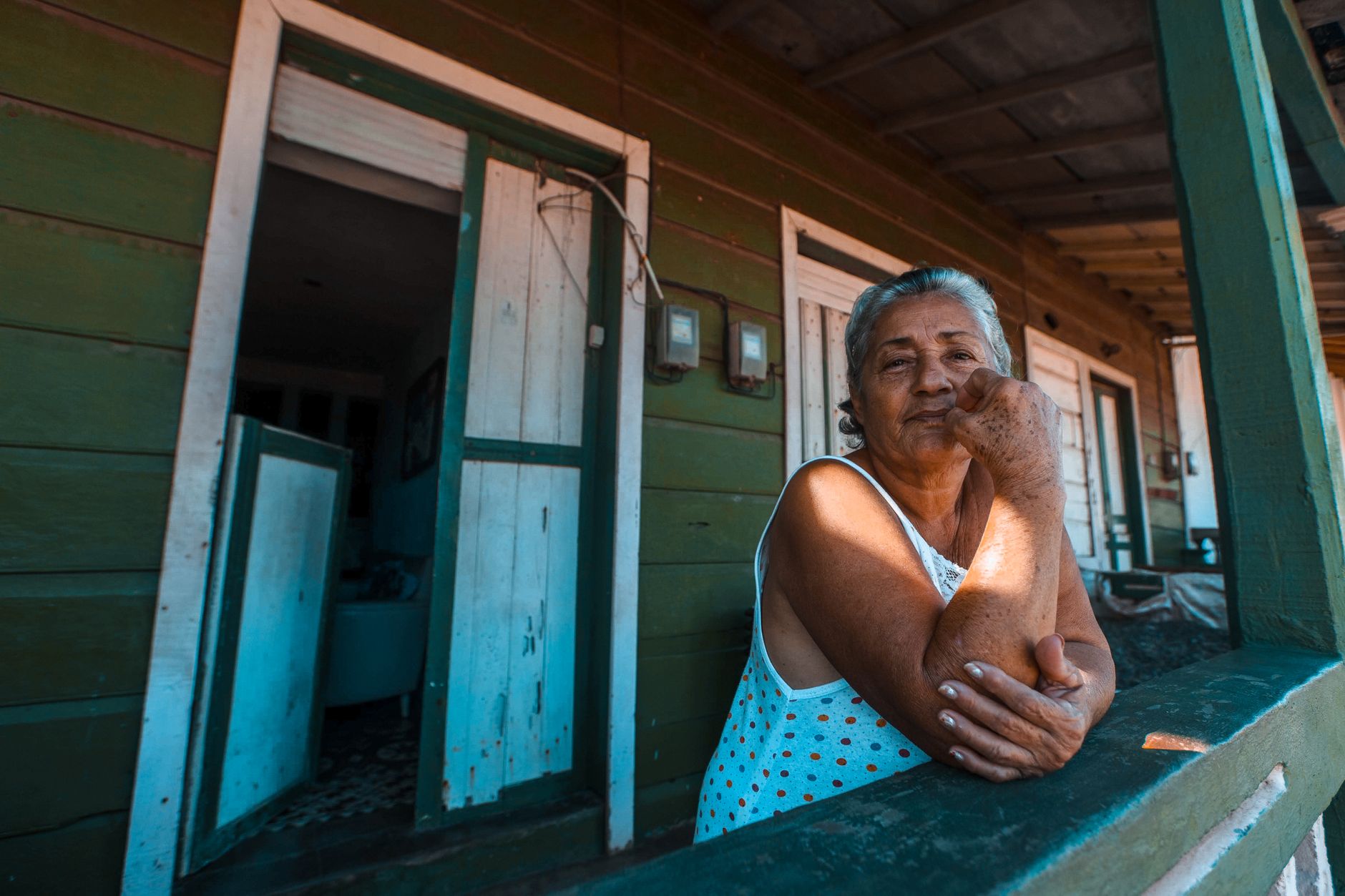
On the porch next door Mama sat in her rocker in her flowered housecoat, her white hair still flat on one side from the pillow, holding her coffee mug in both hands.
“You want a cup?” she called over.
“In a minute, Mama.”
That was when the Corvette came down the street, dark red with the top down. I heard it before I saw it, that low rumble that I was already learning to hate.
It came slow. It did not stop. It went past the little white house and past Mama’s and on down to the corner.
I did not turn around to watch it. Cody did. Brooke did not.
Mama took a sip of her coffee and kept her eyes on me, and when the sound was gone she said, “Set that box down, Angie, before you drop it.”
The town
Lyons is a town where everybody knows your car. That is not a figure of speech.
If my Buick is at the Casey’s at seven in the morning, by eight somebody has asked me if I was out of coffee at home.
So everybody knew. The red Corvette was parked in the lot at the ethanol plant every shift, out at the end of the row by itself where nobody would ding the doors.
And my Buick was parked in front of a house that was not the house on Elm Street.
Nobody said anything ugly to me. That is not how people are here.
But the lady at the counter of the café on Main asked how my mother was doing with me living so close, and she asked it with her head tipped, and I knew.
At the bank, Kim never said a word about it, not once, and I loved her for it.
But Mr. Bauer with his coffee can stopped at my window one morning and said, “That boy of Ray’s always did want a Corvette,” and patted the counter twice and left.
I heard later that the men at the plant teased Dennis about it the first week and then stopped.
One of them, a man named Jeff who had been through a divorce himself, told him at lunch, “Hope it’s good company.” Dennis ate his lunch in the car after that.
I want to be fair. Nobody in that town hated Dennis. They had known him since he was a boy riding his bike to the elevator to bring his dad a sandwich.
They were sad for him, which was harder on him than anything.