The Car My Grandson Sold
I did not cry. I would like to tell you I prayed something wise. What I prayed, if I am honest, was this: Lord, I do not know what to do with this, so You will have to do it through me.
I should tell you about that car.
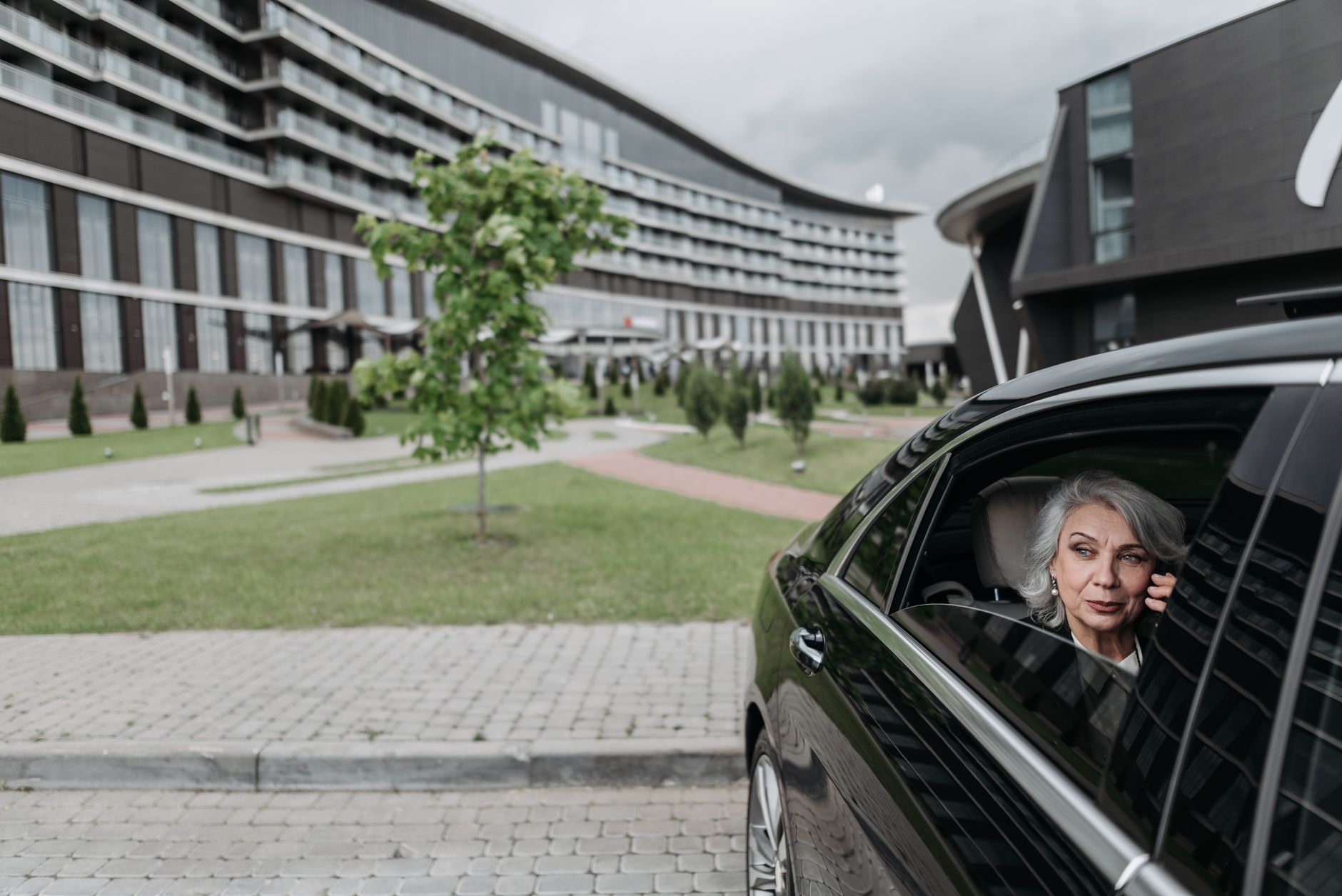
It was a 2013 Buick LaCrosse the color of a pewter spoon, and my husband Lyle bought it for me in April of 2019 from a widow at our church who could no longer drive. He knew by then that he was dying. Neither of us said so out loud, but he had started doing small practical things, like a man packing a suitcase for somebody else. He had my oil changed. He showed me where the water shutoff was in the cellar. And he bought me that car, because his old truck had a bench seat you had to climb up into, and my knees had stopped agreeing to climb.
“It’s got a seat a woman can sit down in,” he said, standing in our driveway with the keys in his hand. “And heated, Wanda. I got you the heated seats. You’re going to need somewhere to be warm.”
He was gone that next February. That is what I keep, the heated seats. A man giving his wife a warm place to sit for the days he would not be there to do it.
My name is Wanda Sharpe. I am seventy-four years old. I live in Sorrel Creek, Missouri, population eleven hundred and some, about forty minutes from Springfield if the roads are dry. We have a grain elevator, a Dollar General, two churches that do not agree on much, and a diner called the Pantry that closes at two. We do not have a bus or a taxi. We have a county road that floods and a great many people who have stopped being able to drive.
For five years that Buick was the only thing standing between me and four walls. Wednesday nights it carried me to supper at the church. Thursdays it took me to the library and to Ellis’s Market. Every Sunday afternoon it made the nine miles out to Pleasant Ridge Cemetery, with a coffee can of zinnias in the cup holder, to sit with Lyle a while.
And Mondays and Wednesdays, at a quarter past five in the morning, it carried Bernice Tate.
Bernice is eighty-three. Her kidneys quit on her three years ago. She needs dialysis three mornings a week at a center in Lebanon, twenty-six miles each way, four hours in a chair, and her only son drives a truck out of Joplin and is gone nine days out of ten. The church van takes her on Fridays. Mondays and Wednesdays were mine. I would pull up to her porch with the heater already running and the radio turned low, and she would come down her steps one at a time with her purse held in front of her like a shield and say the same thing every morning.
“Wanda, you are a saint.”
And I would say, “Bernice, I’m a woman with a good car.” Because it was true.
There was one more thing that car held, and I did not think of it until later, and I think Cody did not think of it at all.
He learned to drive in it.