The Tax Bill I Mailed My Stepson
A quitclaim gives away whatever interest you have. Because Hank and I owned it together with survivorship, the whole thing had been mine the day he died.
And I had given the whole thing to Keith, with a pen from a car dealership.
But a deed does not put anybody out. If Keith wanted me gone, he would have to go to court himself and ask a judge to remove his father’s widow from the cabin she built. And I did not think Keith had that in him.
Dale came by the credit union a few days later, in his work boots, and waited in my line instead of going to the open window.
When he got to me, he slid a twenty across the counter to deposit and leaned in.
“Hank would want you to fight it,” he said quietly.
“Hank would want those babies to have a grandma,” I said. “I can’t do both, Dale. Not the way a lawsuit does it. I’ve watched families go to court over less, right here at this counter, and I’ve never once seen one come out the other side still a family.”
He looked at me for a long time over the top of his glasses. Then he nodded, and took his receipt, and said, “Then what are you going to do?”
“I’m going to go home,” I said.
He knew which home I meant. He helped me move the bed two weeks later and never said another word about lawyers.
Our lease on the little house in Benton was up at the end of September. I did not renew it.
The landlord was sorry to see me go, and I was sorry to leave the pecan tree in the back yard, but I was not sorry about anything else.
Moving in
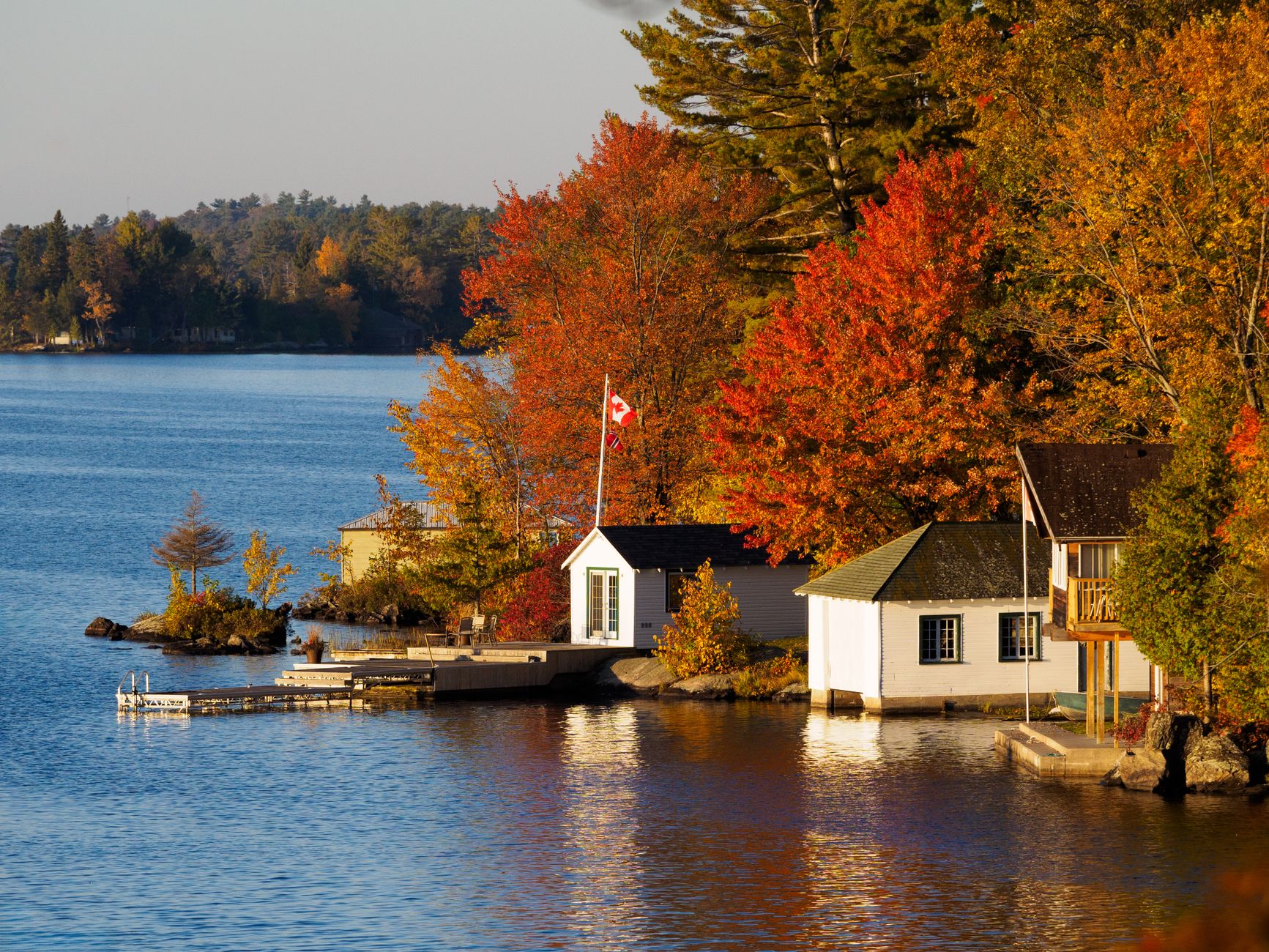
I moved into the cabin full time the first week of October. Dale and his nephew helped me carry the bed and the kitchen table.
Everything else I had fit in the back of my car in four trips.
I did not change the locks. I did not hide. I left a note on the kitchen counter that said, “Keith, I live here now. You and the family are always welcome. The coffee is in the left cabinet. Kristi.”
He did not come up the first weekend. He did not come up the second. He texted me once, “Are you serious,” and I wrote back, “Yes, honey,” and that was the end of it.
I drove twenty minutes to the credit union every morning and twenty minutes home.
I fed the gray cat that had started showing up on the porch rail the year before Hank died. Hank had named him Deputy, because he sat there like he was guarding something.
The first week was the hardest. Everything in that cabin was his. His reading glasses were still folded on the windowsill over the sink.
His boots were by the back door with lake mud dried on the soles, and I could not make myself move them.
I found a grocery list in his handwriting stuck to the refrigerator with a bass-shaped magnet.
Bread, minnows, the good coffee, and at the bottom, “flowers for K, just because.” He had written it the weekend before he died. I left it right where it was.
At night I sat on the dock wrapped in Hank’s old work coat. I listened to the water. Some nights I talked to Hank out loud, and I am not ashamed of that.
I told him what his son had done, and I told him I was not angry anymore, which was mostly true.