The Little White House on Elm Street
I almost laughed. Seven hundred twenty-five dollars for a whole house. One hundred twenty-five more than I’d been paying for one slanted bedroom and a shelf in somebody else’s refrigerator.
“Can I give you the deposit on the first,” I asked, “and the first month on the fifteenth, when I get paid?”
He looked at me a minute. “You’re Walt Simmons’ granddaughter, aren’t you? From the elevator.”
“Yes, sir.”
“Your grandpa graded my dad’s beans for twenty years and never once shorted him a bushel.” He put the key in my hand. “First and the fifteenth is fine. Move in whenever you’re ready.”
On the first of October I took the six hundred dollars I’d set aside for my mother, in the same white envelope I always used, and I drove it to Mr.
Hughes’ house on my lunch hour, and I handed it to him on his front step.
That night I told Mom. She was at the stove making goulash, and I stood by the refrigerator, and I told her the way you’d tell someone the weather.
“I rented a place on Elm,” I said. “I’m moving out Saturday. I won’t be paying October.”
She turned the burner down. She didn’t turn around right away. When she did, she had the wooden spoon in her hand, and her face was calm, and that was worse than anything she could have said.
“You’ll be back by Christmas,” she said. “Furnace bills alone. You’ll see.”
“Maybe,” I said. “But I’ll be paying them to my own furnace.”
“Who’s going to help you move? You can’t carry a dresser.”
“Grandpa.”
That was the only time all fall I saw her flinch. It was quick.
She turned back to the stove and stirred the goulash, and she said, “Well. Of course he is,” and I went upstairs and started packing my books.
I had clinicals Saturday morning at the nursing home out on the highway. I was done a little after noon, and I didn’t even go home to change.
I drove straight to Mom’s in my purple scrubs, with my hair still up in the ponytail I wear for the floor.
Grandpa was already there. He’d backed his blue pickup up to the garage, and the tailgate was down, and he was standing beside it in his tan chore coat and his seed cap with his hands in his pockets, like a man waiting on a load of grain.
He had his old red toolbox in the corner of the truck bed, the metal one with the rusty latch that used to sit on the workbench at the elevator. I didn’t know why he’d brought it. I didn’t ask.
“You’re late,” he said, and winked.
“Clinicals.”
“I know it. Your grandma would be proud. Let’s get you moved.”
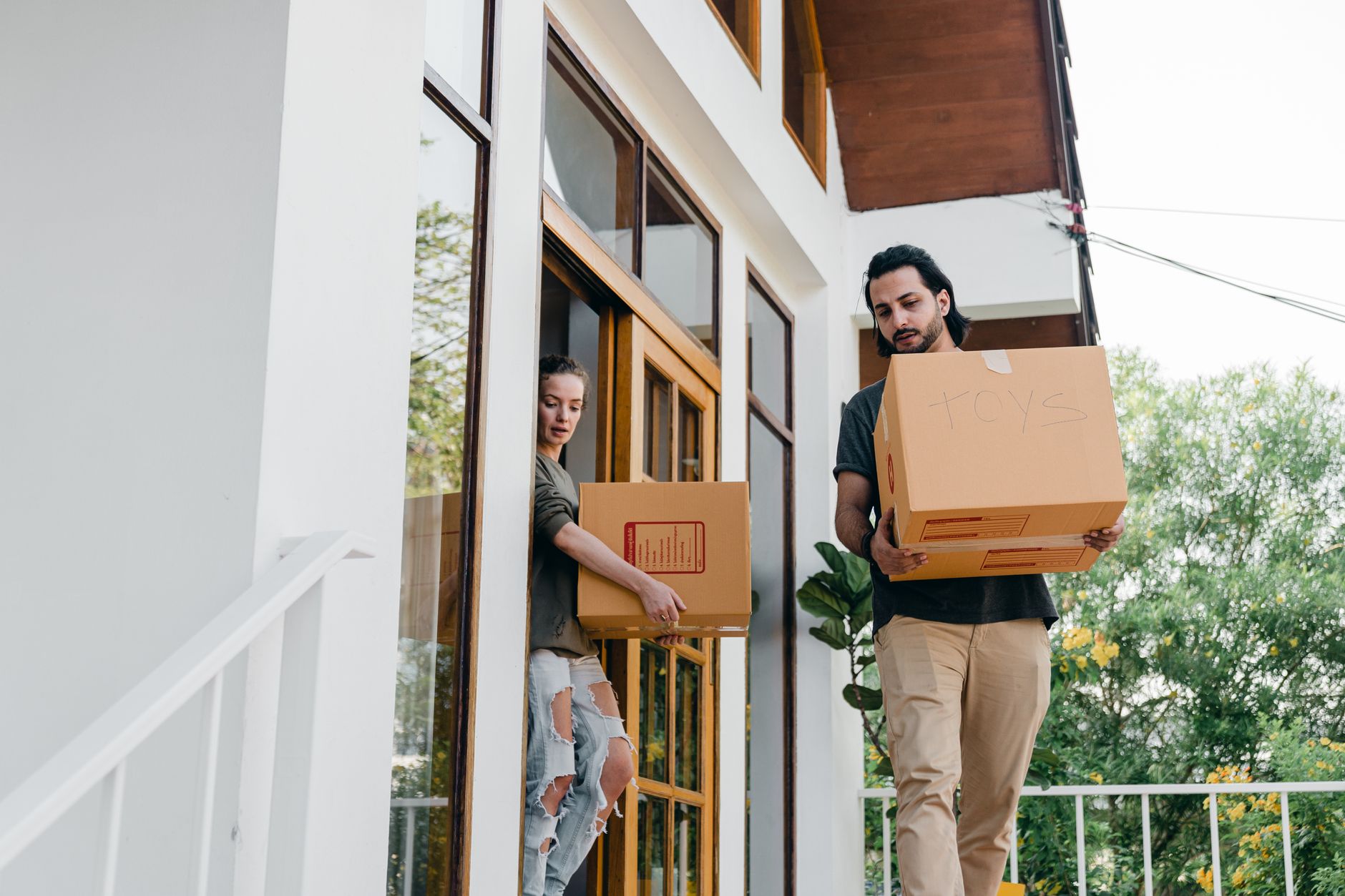
We didn’t have much. I’d lived in that house twenty-four years and it all fit in the back of one pickup. Boxes of books. My clothes in black trash bags.
The dresser Grandma gave me when I was ten, a desk lamp, a quilt, my old Bible with my baptism date on the front page.
Grandpa wouldn’t let me carry the dresser alone. He took one end and I took the other, and we eased it down the stairs one step at a time, and he talked me through it the whole way the same way he talked me through changing a tire when I was sixteen.