The Forty Miles to Speech Therapy
“He’s been leaving every morning,” Becca said. “Every single morning. He sits at the conservation lake and puts in for jobs on his phone. He picks up day work when he can find it. Hauling hay. Cleaning out hog barns over by Laclede. Cash. He’d get home before me and change his clothes.”
“And the envelopes?”
She was quiet a long time. “The truck payment is five hundred and twelve dollars a month.”
I closed my eyes.
“It wasn’t just the last year,” she said. “The first fall, Mom, he really did call. He did put her on the list. And then the truck was behind, and your first envelope came, and he told himself he’d use it just once and catch it up from his next check. Then the next.”
“By the time they called about the opening,” she said, “he was already six envelopes in and he couldn’t face them. He couldn’t face you.”
“Why didn’t he just tell you?”
“His dad,” Becca said. “His dad lost their farm in Grundy County when Shane was eleven. And he never told Shane’s mom until the sale bill was already up at the elevator. She found out from a neighbor. Shane said he swore he’d never be like that. And then he said he turned out exactly like that, and he sat on our kitchen floor and cried.”
“He said the worst part was tonight,” Becca said. “He said he had to stand up and clap, and it was the proudest he’d ever been of anybody in his life, and he’d had nothing to do with it. He said you did that. You and Miss Jill and Ava.”
“Ava did it,” I said.
“He said you’d say that too.”
Shane came to my house Saturday morning by himself. I heard him before I saw him, because it wasn’t the Ram.
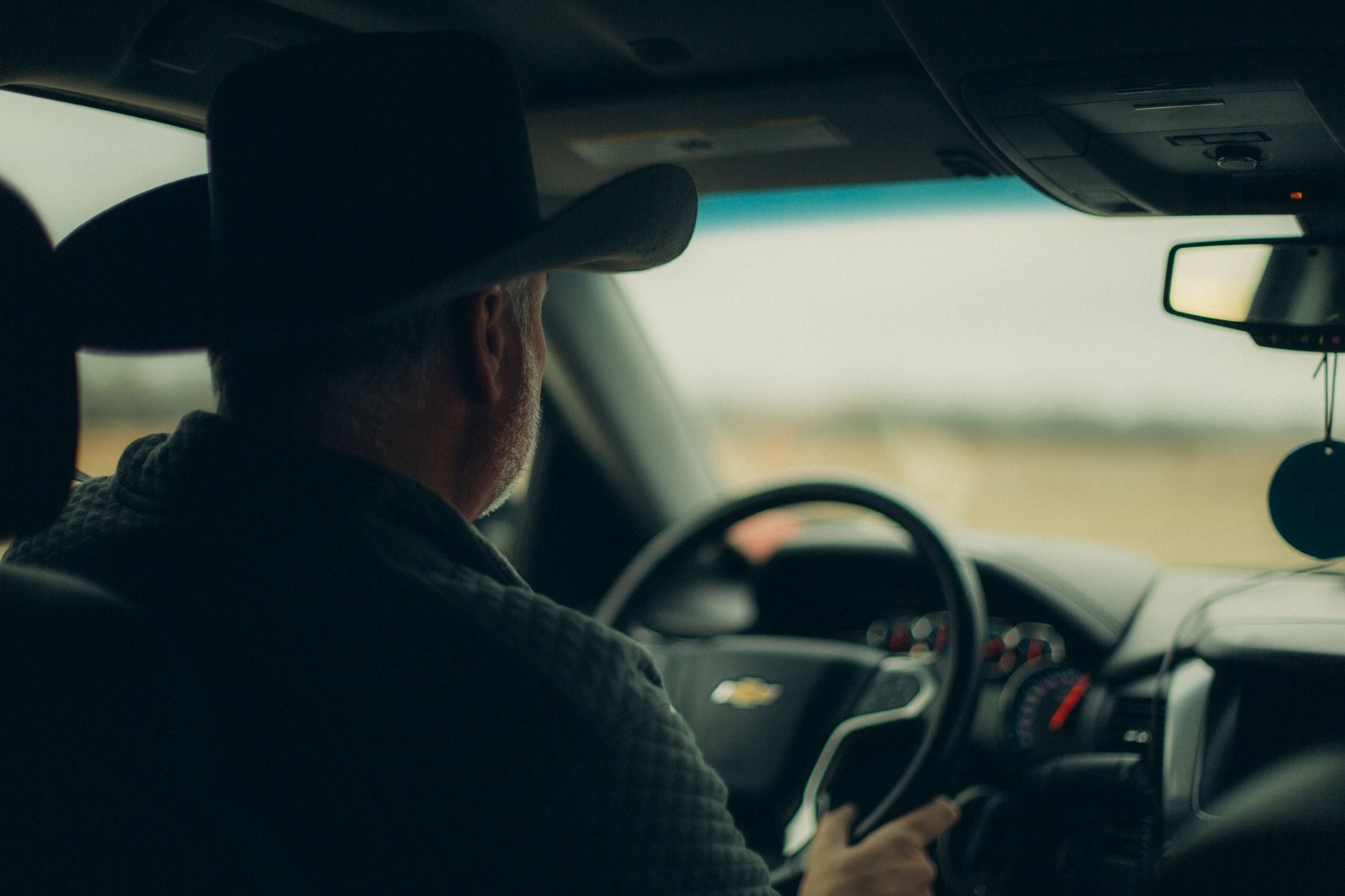
It was an old blue Chevy half-ton with a cracked windshield and a muffler that let the whole county know.
He knocked on my back door, which he had never once done in nine years. He’d always just walked in.
I let him in and poured him coffee, and he sat at my kitchen table in the same chair where I’d handed him twenty-four envelopes.
He put his hat on his knee. Then he took a folded bank envelope out of his shirt pocket and set it on the table between us.
“I sold the Ram yesterday,” he said. “Guy from Meadville gave me fair for it. Paid off the loan. Bought that thing outside for twenty-two hundred. That’s what was left.”
I opened the envelope. Three thousand dollars, in hundreds and fifties.
“That’s not all of it,” he said. “I know that’s not all of it. I know what it was. Twelve thousand. I start Monday with the county road crew, Patti. The road boss is a friend of my uncle’s. It’s steady and it’s got insurance. I’ll pay you two hundred and fifty every month until it’s gone. I’ll bring it myself. I won’t send it with Becca.”
He looked at his coffee. He had his father’s hands, I thought. He had his father’s whole way of sitting, like he was waiting for the weather.
“I’m not asking you to forgive me,” he said. “I don’t think I would. I just wanted you to hear it from me, in your house, and not from her.”
I had lain awake in April rehearsing things to say to him that would have taken the hide right off. But Dale used to say you can’t plow a field by cussing at it.