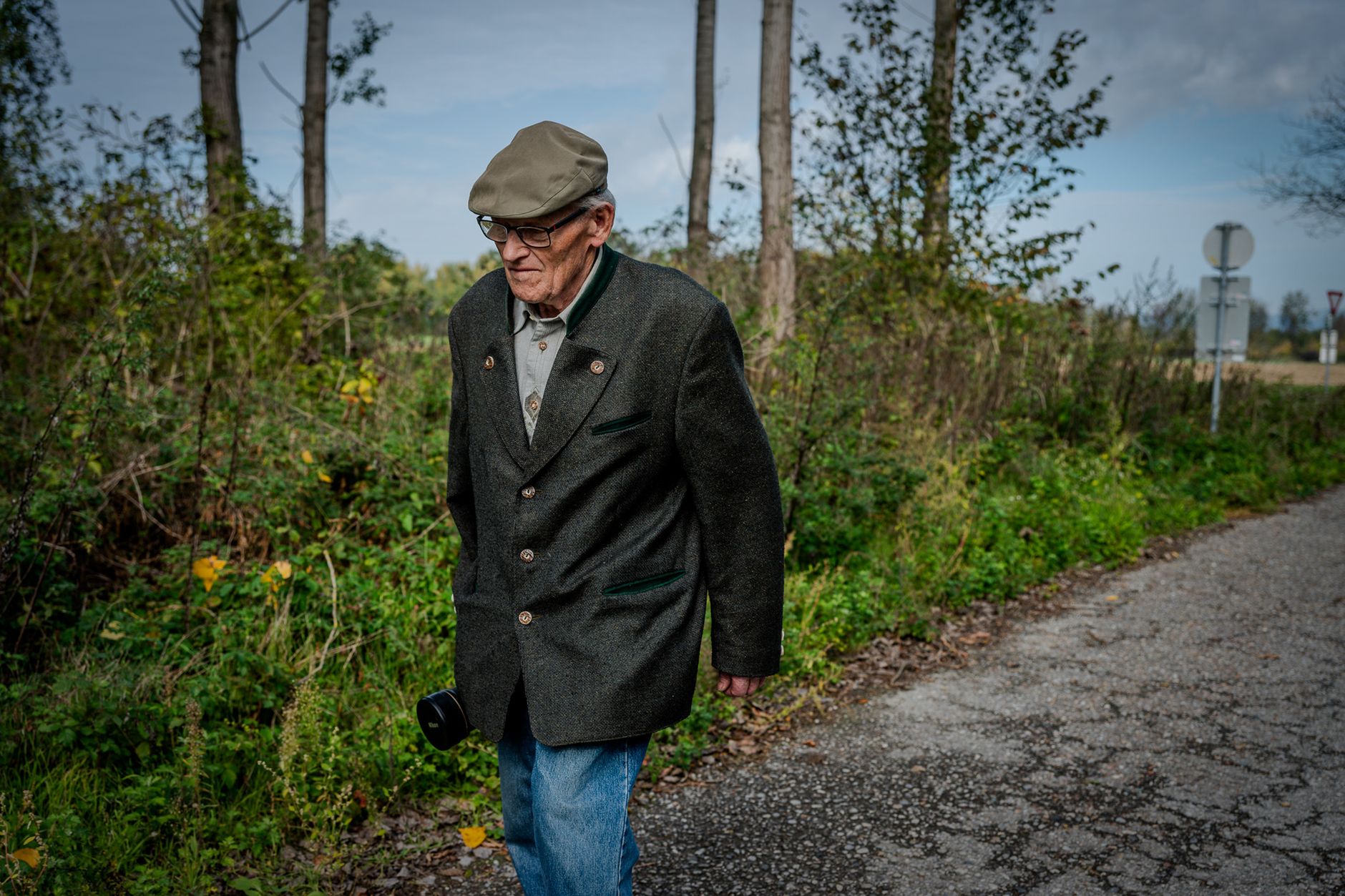
The Flags on My Mail Route Went Up
The job I took because it came along
I came to the Postal Service late, at thirty-four, and not on purpose.
For twelve years before that I ran the green chain at the Dunn Brothers sawmill in Cherryville, pulling boards off a belt and stacking them by grade. The mill closed on a Tuesday in 1995. They gave each of us a last check and a handshake from a man who would not look at our faces.
Joanne was working lunches in the school cafeteria then. We had a mortgage, a boy in third grade named Daniel, and a pickup that needed a transmission. I took the first thing that came along, which was a substitute’s job on the rural routes, filling in for carriers who were sick or on vacation.
A year later Route 3 came open and they gave it to me. Four hundred and twelve boxes, ninety-one miles, most of it county gravel and some of it chert that will eat a tire. I drove my own vehicle, a right-hand-drive Jeep with the steering wheel on the wrong side, which Joanne says is the only reason I can park straight.
It was the best job I ever had, and nobody warned me about that part.
What they tell you about the work is the sorting and the miles and the weather. Nobody tells you that you will see more of some people than their own children do. A rural carrier passes the same house six days a week, in all seasons, at about the same hour, and he gets to know a house the way you know a face.
You learn which curtain gets pulled back at what time. You learn that the porch light on the Wendell place goes off at six exactly, and that if it is still on at nine, something is wrong. You learn which dog barks and which dog has gone quiet.
I did not set out to watch over anybody. I set out to get the mail in the right boxes. The rest came in through the gap that opens when you pay attention.
The winter of 1997
It started with Orville Tate, and with a mailbox that was too full.
Orville had been my foreman at the sawmill. He was the man who taught me to read a board by the sound it made when it dropped on the belt. When I got Route 3 and saw his name on a box out on Hobbs Creek Road, I took it as a good sign. He had been foreman until he retired a few years before the mill closed, and he was seventy-one that winter, a widower, living alone on forty acres with a wood stove and a hound that had died the year before.
Orville emptied his box every day by noon. In my whole life I have not known a more regular man.
That January there was an ice storm the week after New Year’s, and I thought nothing of it when his box was still full on Monday. A man can skip a day in bad weather. On Tuesday I put Tuesday’s mail on top of Monday’s and thought, he has the sense to stay in.